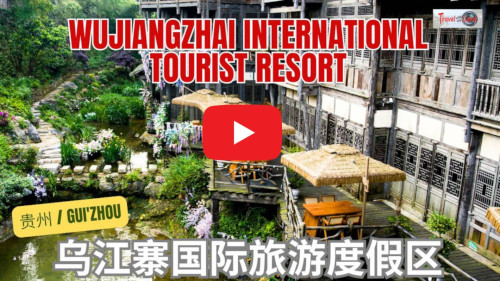
Wujiangzhai International Tourist Resort (乌江寨国际旅游度假区) sits along the banks of the Wujiang River in Zunyi, Guizhou Province. What used to be a quiet, hard-to-reach village has been completely transformed since 2015, and it officially opened its doors in 2022. Today, it has grown into one of the newest leisure destinations in Southwest China, often described as a “poetic 画卷” (picturesque scroll) of northern Guizhou—like a living landscape painting slowly unfolding before your eyes.
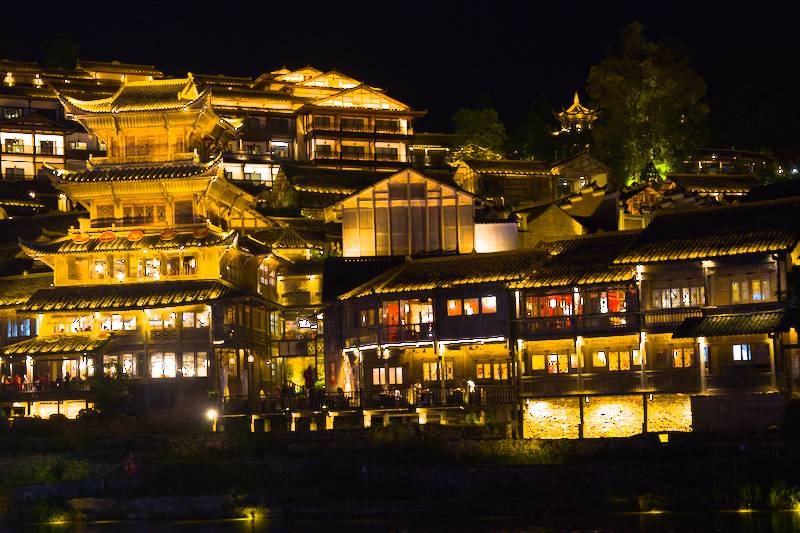
Landscape and Architecture
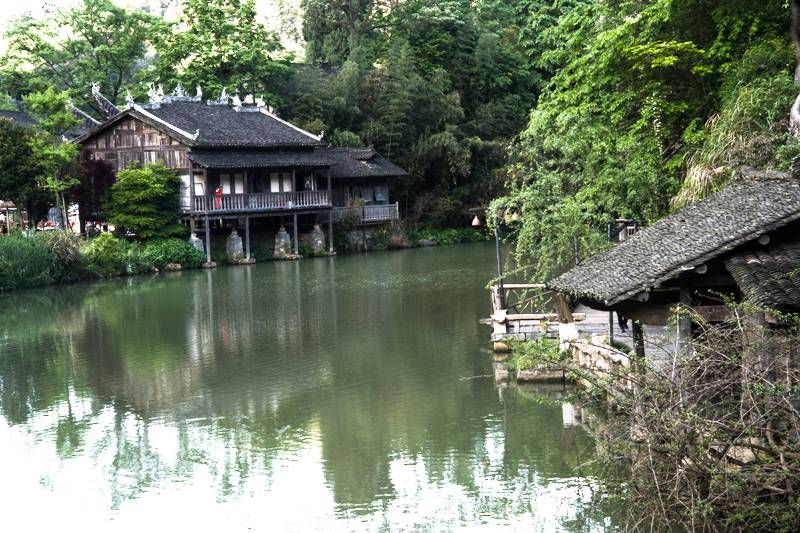
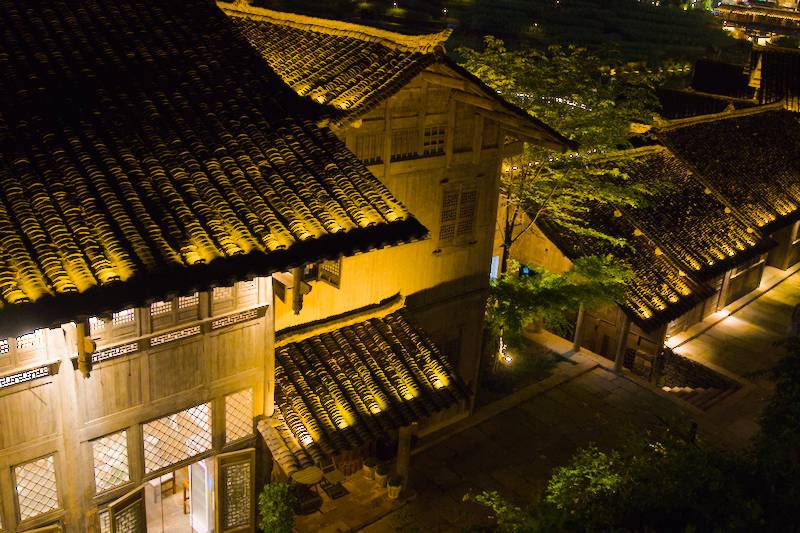
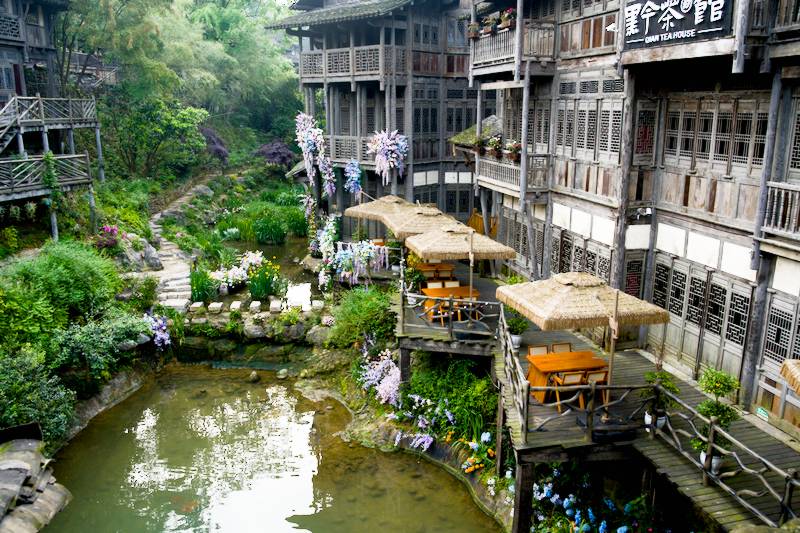
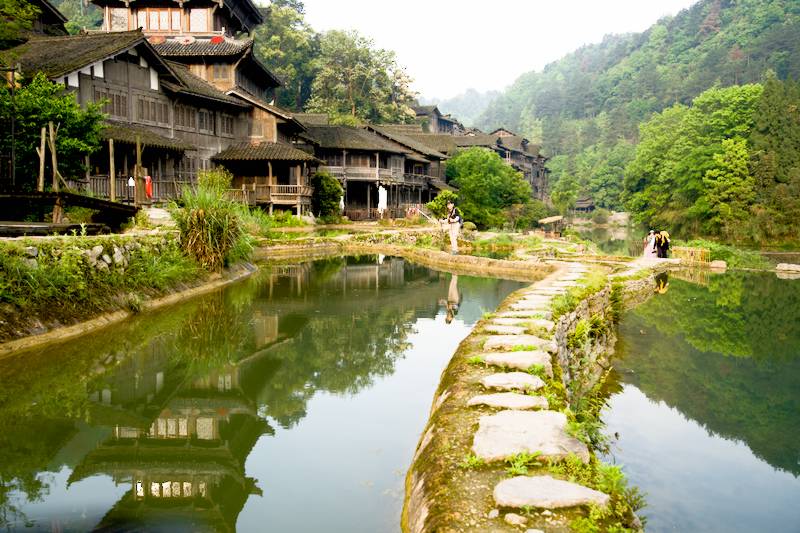
Covering about 5.08 square kilometers, the resort unfolds across a beautiful mix of terraced fields and the winding Wujiang River. The buildings are one of the biggest draws here. You will see traditional stilt houses (吊脚楼), carefully restored in the northern Guizhou style (黔北民居), sitting naturally within the landscape rather than standing apart from it.
What I really like is how much of the original setting has been kept intact. Old stone paths are still there, quietly weaving through the village and adding a sense of history to the whole place. Walking around, it often feels like stepping into a 水墨江南 (ink wash painting of the Jiangnan region) scene, soft and calm, almost like an ink painting come to life.
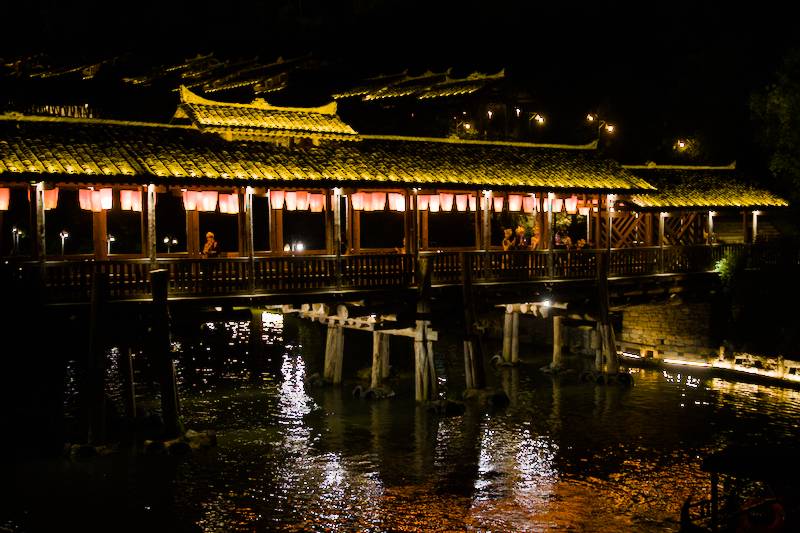
The ancient rooftops lit up at Wujiangzhai International Tourist Resort
Our experience during our stay at Wujiangzhai International Tourist Resort
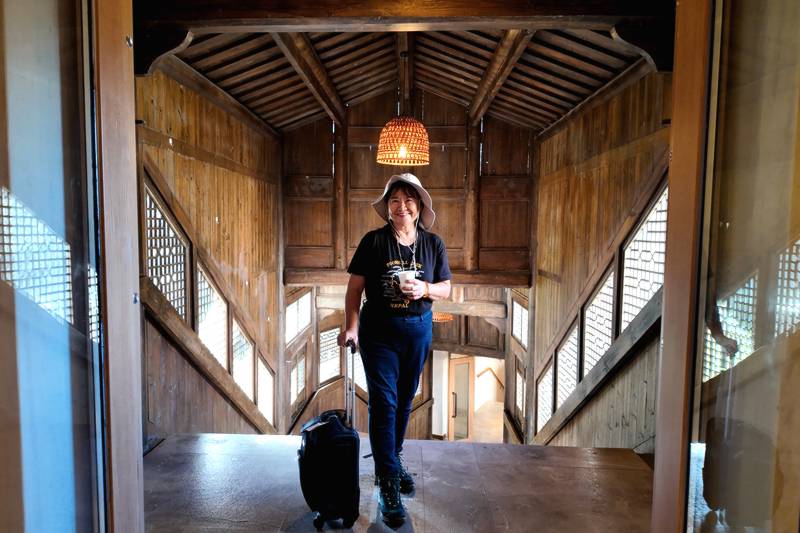
We checked into our hotel, 廻龙湾酒店 (Huilongwan Hotel), which is located inside the resort compound. After settling down, we headed to the open square by the river.
Nighttime Scene:
Once the sun goes down, everything shifts. The entire hillside lights up, and the atmosphere becomes much more lively.
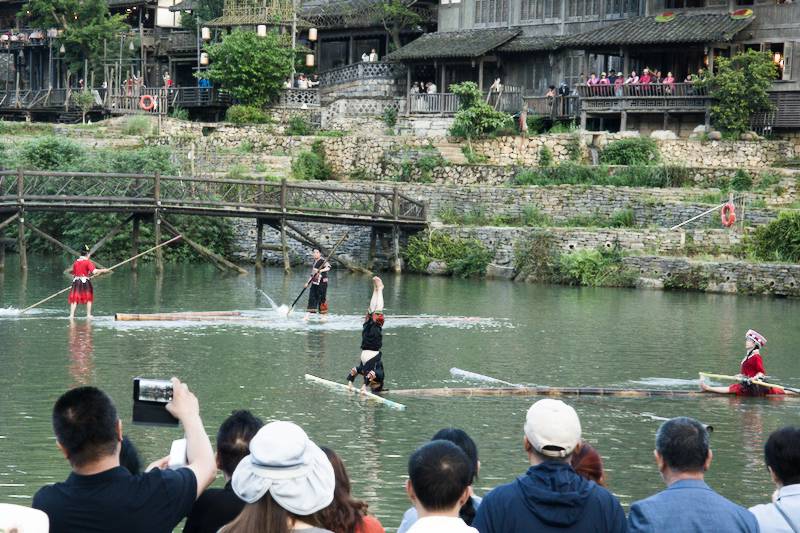
The first performance we watched was the single bamboo drifting show (独竹漂), where a dancer balanced on a single bamboo log floating along the river. Besides the traditional dance, one performer even did a handstand on the log, which was quite impressive, though I am not sure if that is part of the folk tradition.
After that, we had dinner at a restaurant (there are many dining options inside the resort), which included the famous 酸汤鱼 (sour soup fish).
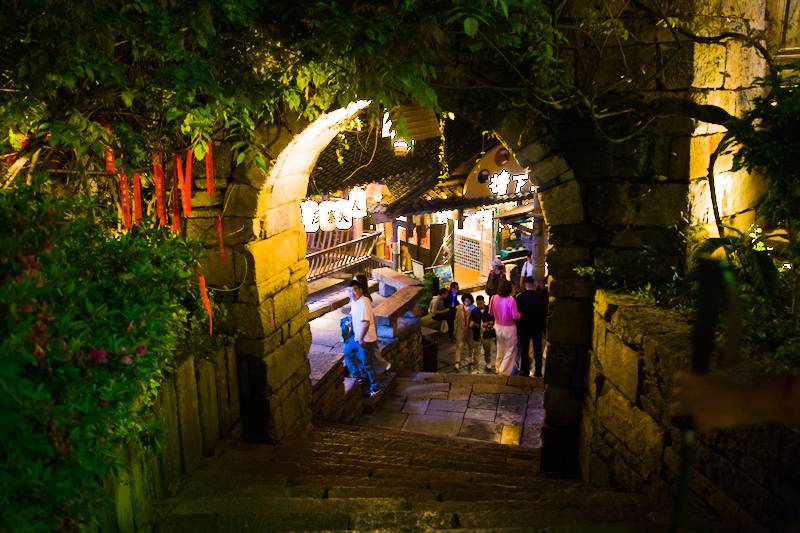
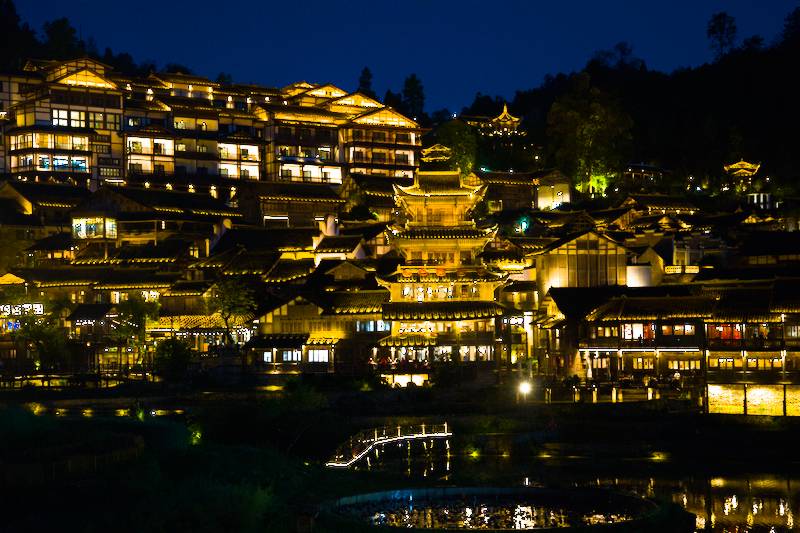
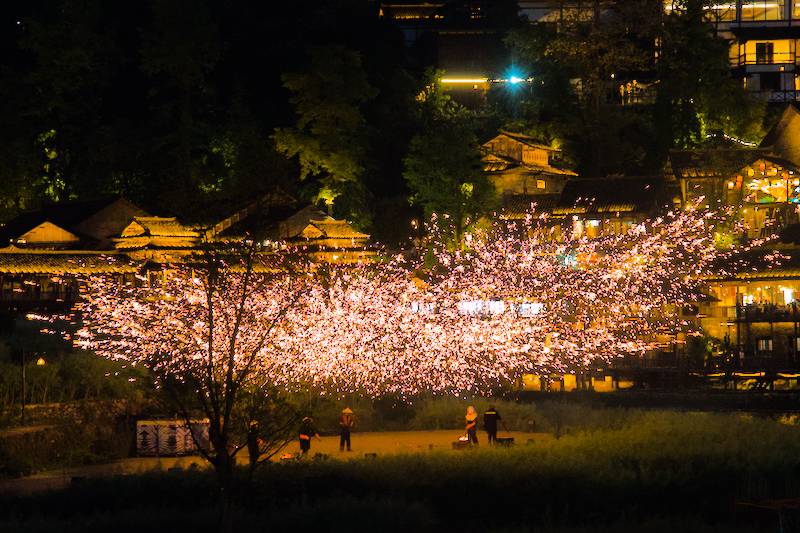
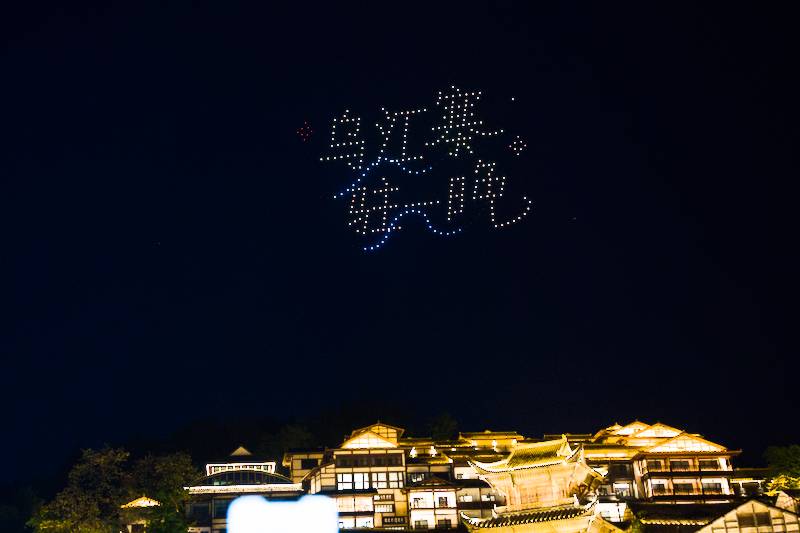
As night fell, the drone show commenced, accompanied by vibrant Da Tie Hua (打铁花) molten iron performances along the river. The lights shimmering on the water and the reflections all around created a beautiful, almost dreamlike atmosphere.
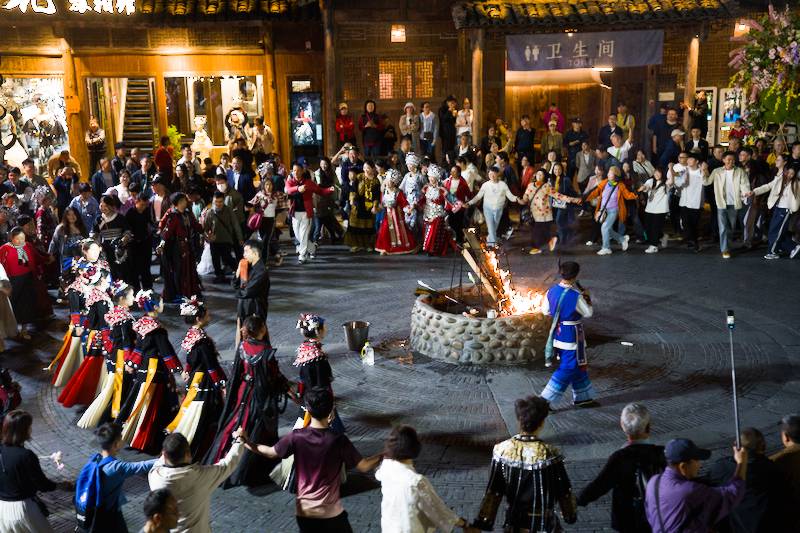
Lastly, there was also a bonfire dance show. Led by performers in traditional costumes, they invited visitors to join in and dance together in a circle around the fire, making the experience even more lively and engaging.
The activities wrapped up around 9 pm. After a long day of travel, it was nice to return to a comfortable room for a good night’s rest.
Daytime Vibe:
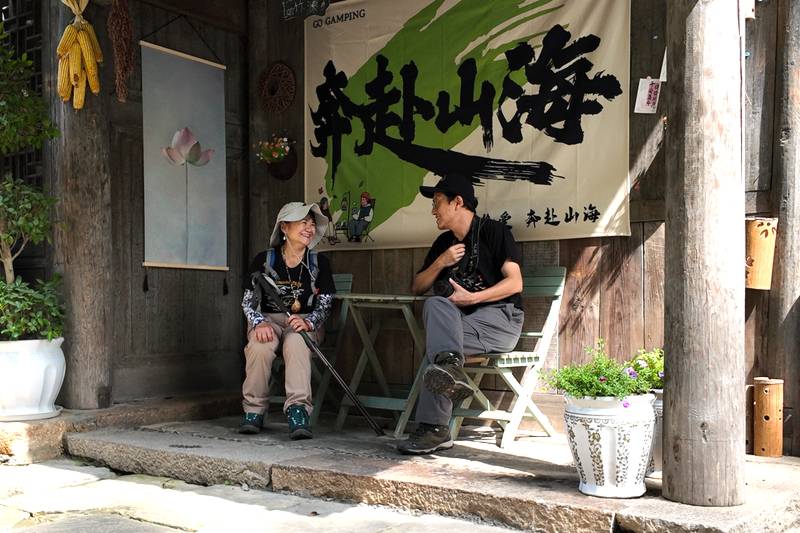
We woke up early in the morning and took a stroll through the village. Most of the shops were still closed, and the place was very quiet and peaceful. With the cool morning air and the sound of birds chirping, it felt like a beautiful start to the day.
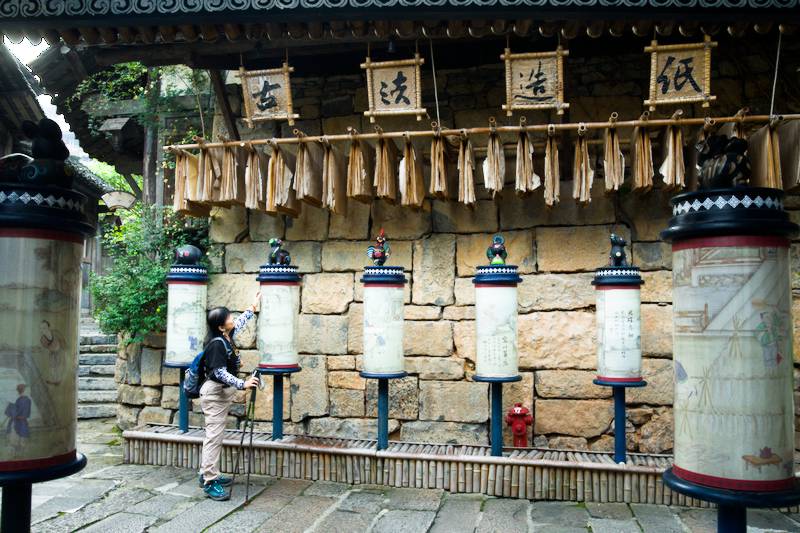
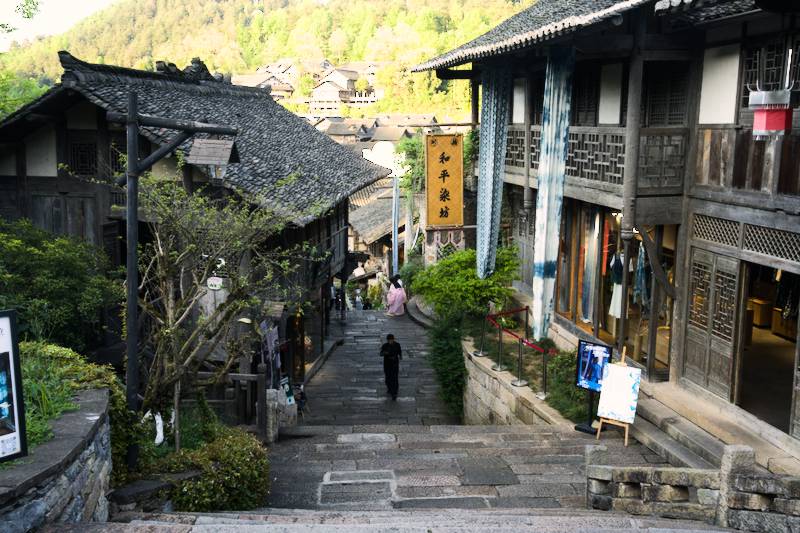
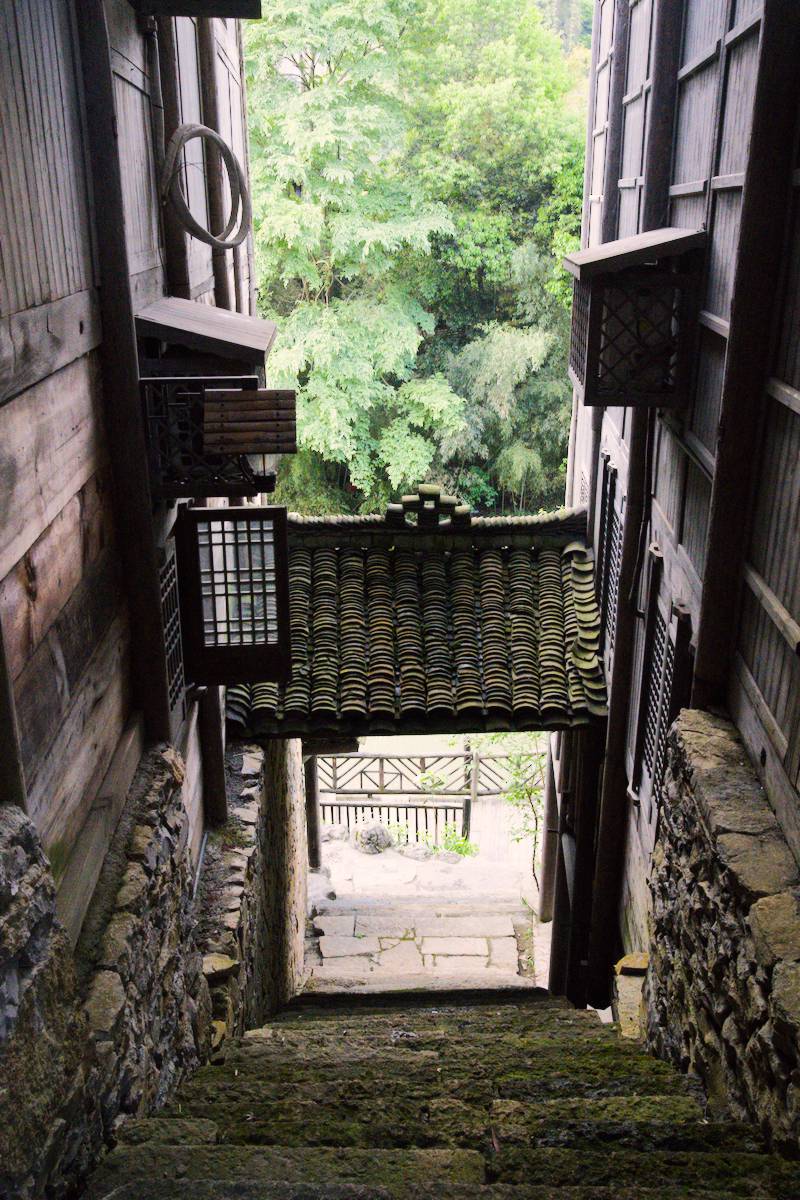
The village is thoughtfully designed and preserves the charm of the original setting. There are many small lanes to explore, lined with eateries offering a variety of local specialties that feel authentic to the region.
We walked down to the river and crossed over to the other side. It was a great spot for taking photos, with scenic views all around.
Wujiangzhai International Tourism Resort – FAQ for Travelers
Is this a real ancient village, or was it built just for tourists?
The original village was called Wujiang Miao Village (乌江苗寨) and was founded in 1583 during the Ming Dynasty (明朝), over 440 years ago. However, what you see today is a careful restoration and reconstruction, not the original centuries-old buildings. Think of it as a beautifully preserved “living museum” rather than an untouched time capsule.
Where did the original villagers go?
All 680 original residents from 160 households were relocated to modern housing outside the scenic area before construction began in 2016. This allowed the village to be preserved and maintained in a way that would have been impossible if people had continued living there without modern infrastructure.
Does that mean this place is fake?
That depends on your definition of “fake.” If you expect original 400-year-old buildings with original villagers still living in them, you will be disappointed. But if you appreciate beautifully restored traditional architecture called Qianbei folk dwellings (黔北民居) and a clean, well-maintained environment that honors local culture, you will likely love it. Most visitors leave saying they had a wonderful time, not worrying about whether every wooden beam is original.
Is the resort built along a river?
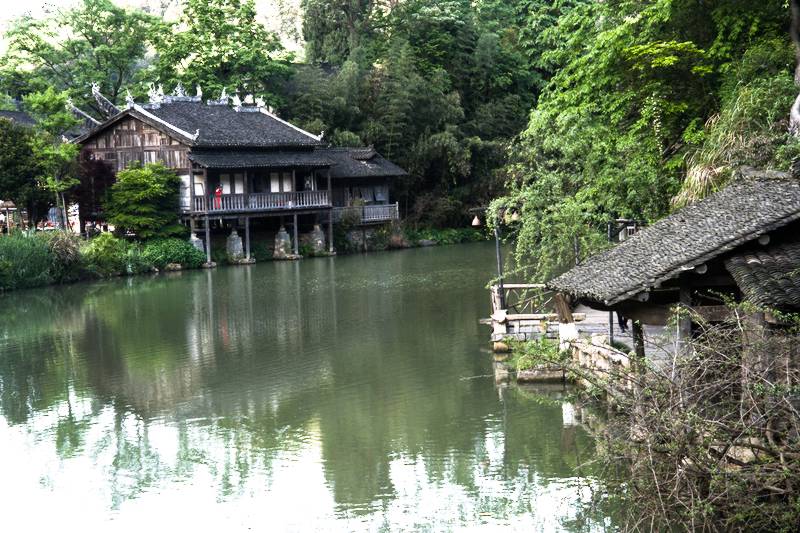
Yes, the resort is built along the Yutang River (鱼塘河), which is a tributary of the larger Wujiang River (乌江). Many of the stilted houses, called diaojiaolou (吊脚楼), as well as the pathways and performance areas, are right along the water. Boat rides are a popular activity, and the evening light shows and water performances also take place on the river.
How many hotels are inside the resort, and which one should I stay at?
There are more than 30 hotels and homestays inside the resort, with three main anchor hotels. The Miao Wang Hotel (苗王酒店) is the luxury option with the best views. Mu Shan Hotel (暮山酒店) is a mid-range hillside option overlooking terraced fields. Qian Shu Yuan Hotel (黔书院酒店) has a cultural library theme. For budget travelers, Xun Qian Ji Hotel (寻黔记酒店) is the most affordable choice. All hotels inside include perks like unlimited shuttle buses and multi-day entry tickets.
When did this place open, and how long has it been around?
Planning began in 2015, and construction started in 2016, but funding problems halted work in 2019. A new investment group stepped in during 2021, and the resort finally opened in February 2022 as a soft opening called shi yunying (试运营), with the official grand opening in May 2022. So it is still quite new as a tourist destination.
Who designed and built this place?
The resort was designed by the same famous team behind Wuzhen (乌镇) in Zhejiang and Gubei Water Town (古北水镇) in Beijing. That studio is known for turning old, decaying villages into high-quality cultural tourism destinations. If you have been to Wuzhen or Gubei Water Town, you will recognize a similar style and level of attention to detail here.
Is this place worth visiting, and what is the best time to go?
Yes, most visitors rate it highly. The best strategy is to arrive in the late afternoon so you can experience the peaceful daytime river views and craft workshops, then watch as the village lights turn on at sunset, and finally enjoy the evening drone shows, music, and water dances. Many people say the night view is the best in all of Guizhou (贵州).
How big is the resort, and how much time do I need?
The resort covers just over five square kilometers. Most visitors find that one full day plus one night is enough to see the highlights. If you want to do craft workshops, try multiple restaurants, and just relax at a slow pace, consider staying two nights.
Is it crowded?
Yes, during Chinese public holidays, such as in October and Labor Day in May, as well as summer vacation, it gets very crowded. The resort sees over one million visitors per year now. If you can visit on a weekday outside of summer, preferably in spring or autumn, you will have a much more peaceful experience.
How do I get there?
The resort is in Bozhou District (播州区) , Zunyi City (遵义市) , Guizhou Province (贵州省) . It is about forty minutes by car from Zunyi city center and about one and a half hours from Guiyang. Shuttle buses are available from Zunyi Station (遵义站) and Zunyi South Station (遵义南站) , but check current schedules online before you go.
Can I visit as a day trip, or do I need to stay overnight?
You can do a day trip, but you will miss the night shows, which are the highlight for most visitors. The drones, water dances, and Da Tie Hua (打铁花) molten iron performances all happen after dark, and the illuminated village is breathtaking. Staying at least one night inside the resort is strongly recommended, and the hotels include shuttle service and multi-day tickets, making it convenient and worth the extra cost.
Why was our tour bus not allowed to enter, and why did we have to take a shuttle bus?
Private vehicles, including tour buses, cars, and taxis, are not allowed inside to protect the village environment and maintain a peaceful, pedestrian-friendly atmosphere. All visitors must park at the Wujiangzhai Visitor Service Center (乌江寨游客服务中心) outside the main area, then transfer to the resort’s official shuttle buses (摆渡车) to enter the core scenic area. This system keeps the narrow paths and stilted bridges safe and traffic-free. If you stay inside the resort, your hotel typically includes unlimited shuttle rides and multi-day entry, making the process much more convenient.

Accommodation
Here is a detailed list of all accommodations within Wujiangzhai International Tourism Resort, including their Chinese names, location details, and a general price guide.
All the hotels and resorts listed below are located within the resort compound itself, so everything is conveniently within the same scenic area.
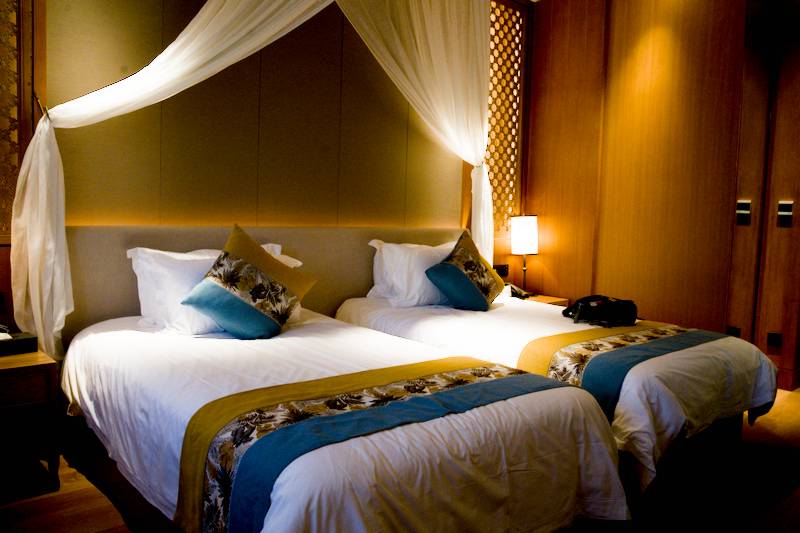
🏨 Complete List of Resorts & Hotels
| Hotel Name (English) | Hotel Name (Chinese) | Luxury Level & Price Guide | Location Features |
| Miao Wang Hotel | 苗王酒店 | Luxury (High-end)¥800 – ¥1,500+ | Features苗族 (Miao) minority decor, often cited as having the best views of the central performances. |
| Mu Shan Hotel | 暮山酒店 | Mid-Range to Luxury¥600 – ¥1,200 | Located on a hillside overlooking terraced fields and the rapeseed flower sea. |
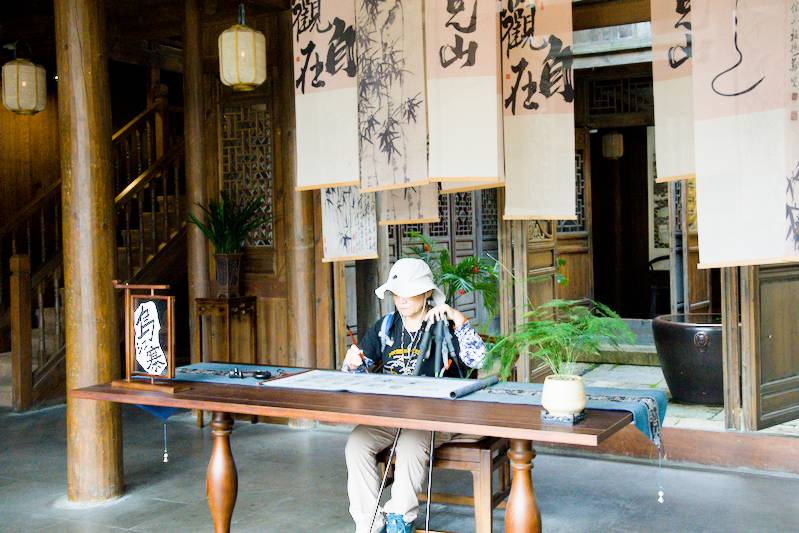
| Qian Shu Yuan Hotel | 黔书院酒店 | Mid-Range (Cultural)¥600 – ¥1,100 | A cultural hotel with a library and a calligraphy theme; includes a Hanfu dressing experience. |
| Huilongwan Hotel | 廻龙湾酒店 | Mid-Range¥700 – ¥1,000 | Conveniently located near the ancient stage and廻龙寺 (Huilong Temple), close to the core area. |
| Dongqian Baima Hotel | 侗黔白马酒店 | Mid-Range to Luxury¥700 – ¥1,800 | Newer hotel (opened 2025); rooms are spacious (48-75m²), and many feature panoramic terraces. |
| Zhulan Shuizhai | 竹澜水寨 | Budget to Mid-Range (Boutique)¥650 – ¥1,500 | Located by the river at Yushi Street. Many rooms offer river views, ideal for watching evening shows from the balcony. |
| Xun Qian Ji Hotel | 寻黔记酒店 | Budget (Value)¥400 – ¥800 | A more affordable official hotel option within the scenic area. |
Note on Pricing:
Room rates here can vary quite a bit depending on when you visit. Prices usually go up during peak periods like Golden Week and the summer holidays, while the winter months tend to be more affordable. Weekends can also be slightly higher than weekdays.
🎥 Watch our video at Wujiangzhai International Tourist Resort
We’ve put together a video from this trip, which you can watch on YouTube by clicking the image below.