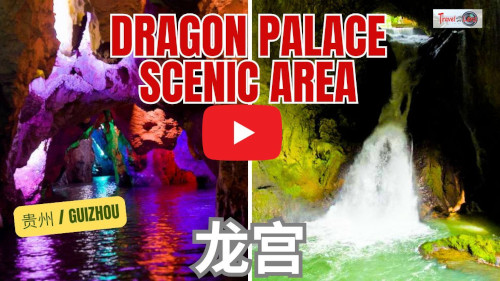
Despite its name, Dragon Palace 龙宫风景区 is not a palace at all. It is one of the most scenic areas in Guizhou, China, known for its spectacular karst caves. It has a series of lakes connected by caves on the mountaintop, allowing visitors to travel between them by boat.
Getting to the Scenic Area (Arrival & Shuttle Transfer)
On our third day itinerary in Guizhou province, we set off for Dragon Palace after lunch from Anshun city for a half-day tour.
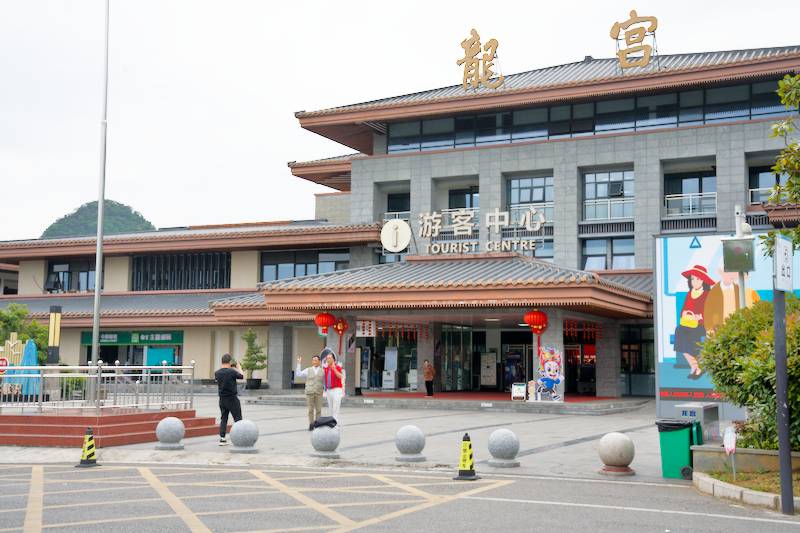
Our tour coach was not allowed to enter the Dragon Palace area. From there, we transferred to the park’s shuttle bus to enter the scenic area.
First Impression: Dragon Gate Waterfall (龙门飞瀑)
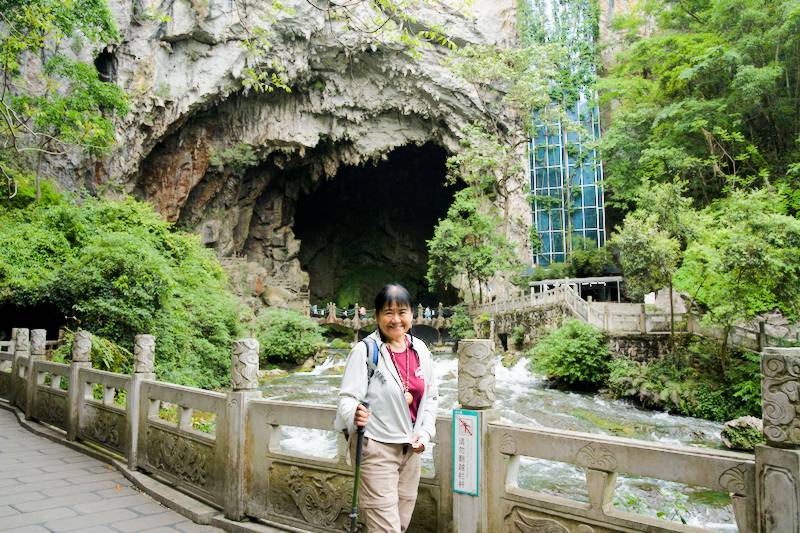
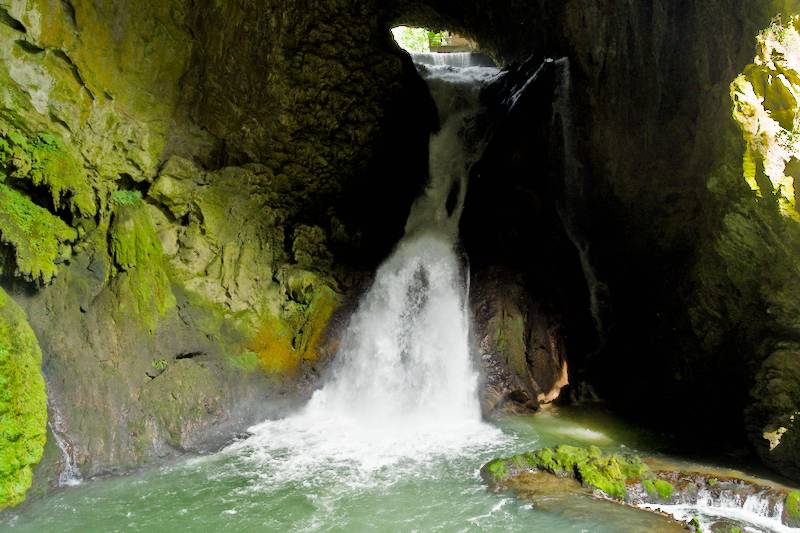
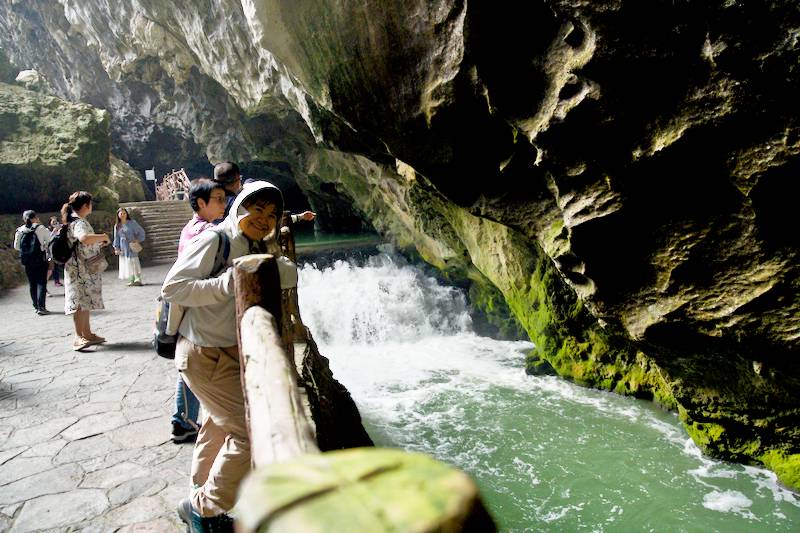
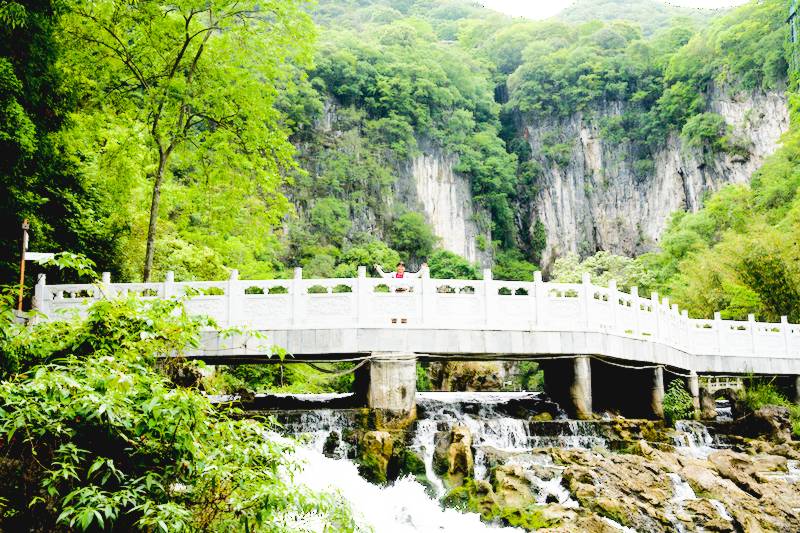
After getting off, we walked a few hundred meters along a scenic riverside path before arriving at the Dragon Gate Waterfall 龙门飞瀑. Unlike conventional waterfalls that flow down an open mountainside, this one gushes directly out from the mouth of a cave. It creates a truly unique sight that we had never seen before, even after visiting many different places. It was the kind of view that immediately makes you stop and stare
When I was taking photos at the viewpoint of Dragon Gate, or “Longmen” Waterfall, I noticed something interesting. Through the cascading water, I could faintly spot a viewing platform above. I cannot say for certain, but this is likely the Tianchi 天池 viewpoint, the same area we later reach by taking the elevator.
The Ascent: Bridge, Garden & Elevator Experience
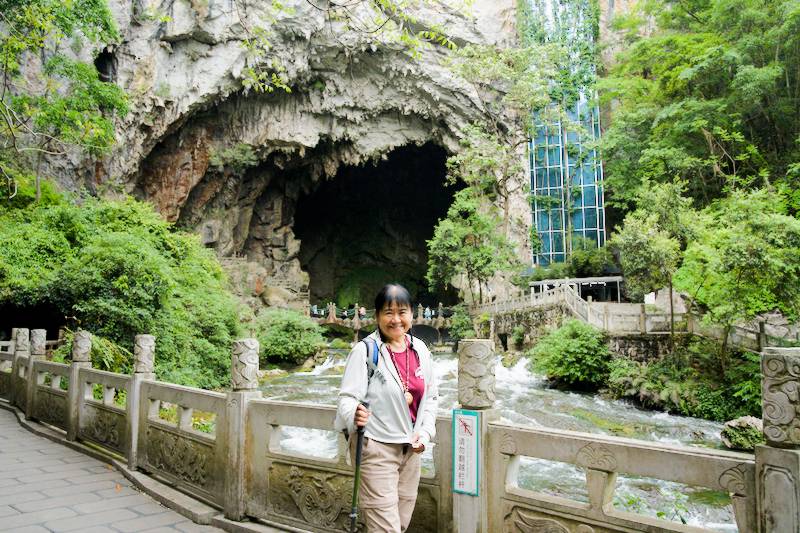
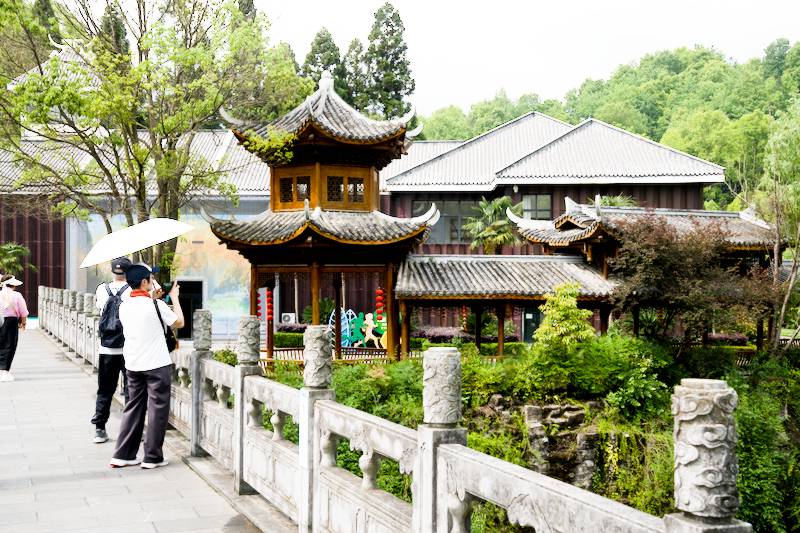
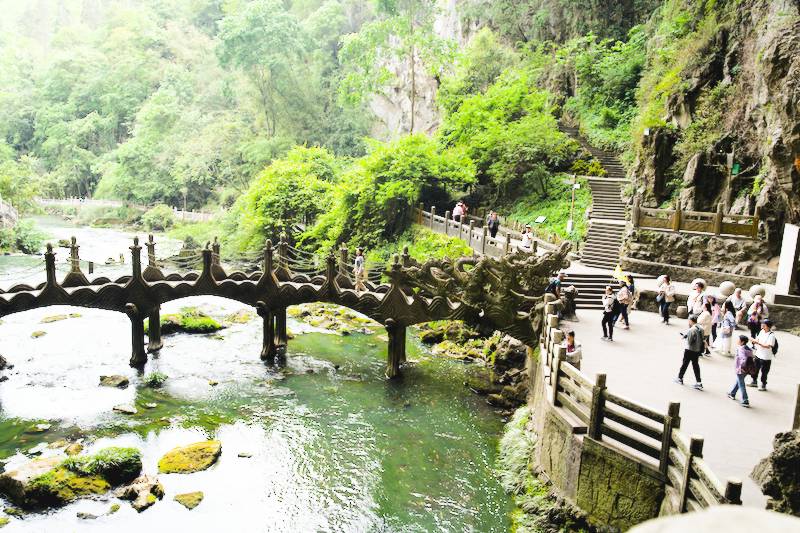
From there, the journey continued upward. We crossed a bridge that led us into a beautifully landscaped garden before arriving at the 龙宫观光电梯, which then took us up to the mountaintop.
It is a vertical sightseeing elevator that mainly transports visitors from the Dragon Gate Waterfall area up to the Tianchi boat dock.
Tianchi (Heavenly Pool): The Mountain Lake Above
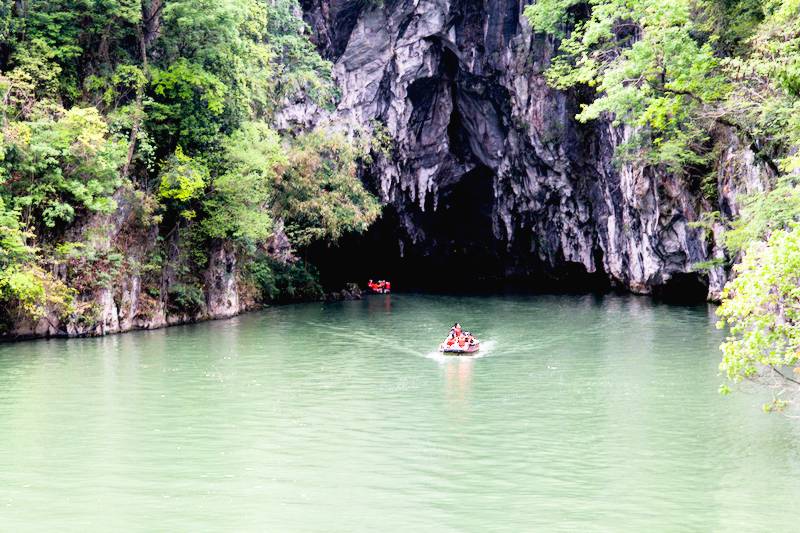
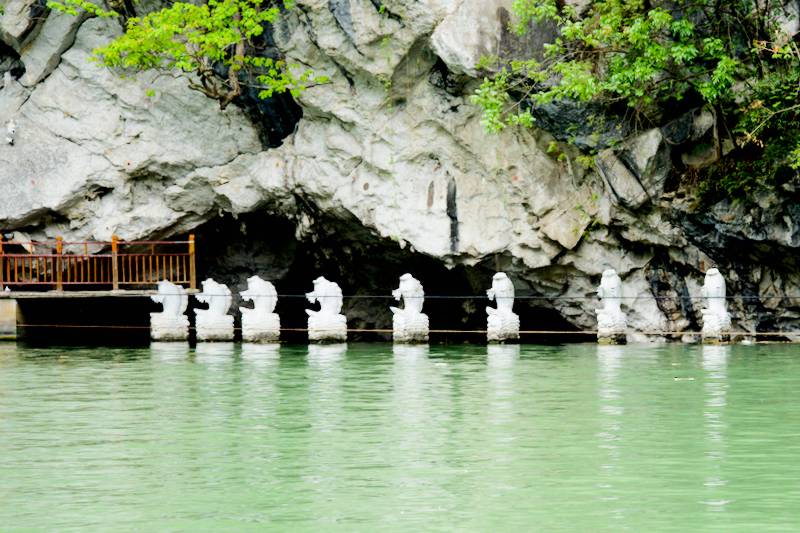
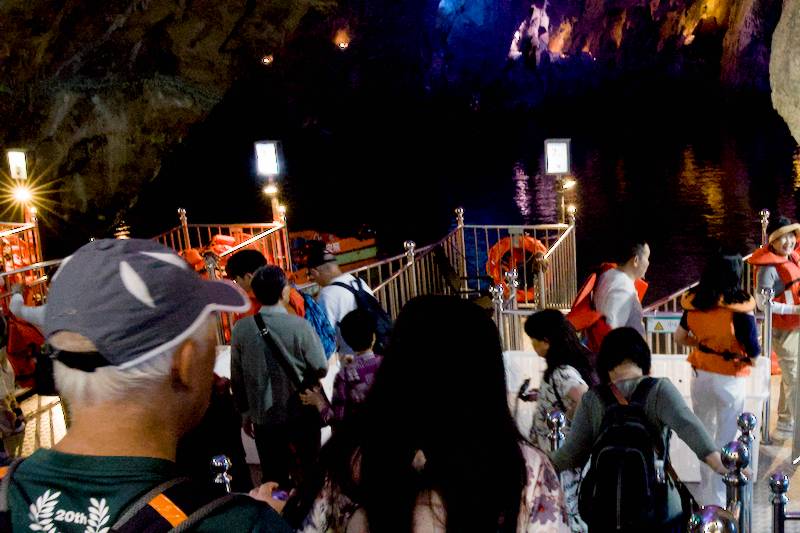
From there, we reached the pier at Tianchi (meaning Heavenly Pool).
Tianchi is not just a small pond. It is an emerald green lake formed by a sinkhole, sitting at an elevation of about 1,170 meters above sea level. It stretches roughly 220 meters in length, about 50 meters in width, and reaches an average depth of around 28 meters in some areas.
All of this water is naturally funneled through an underground opening in the rock system, which eventually feeds into the waterfall I was standing in front of before taking the elevator up.
Journey Into the Underground Cave System
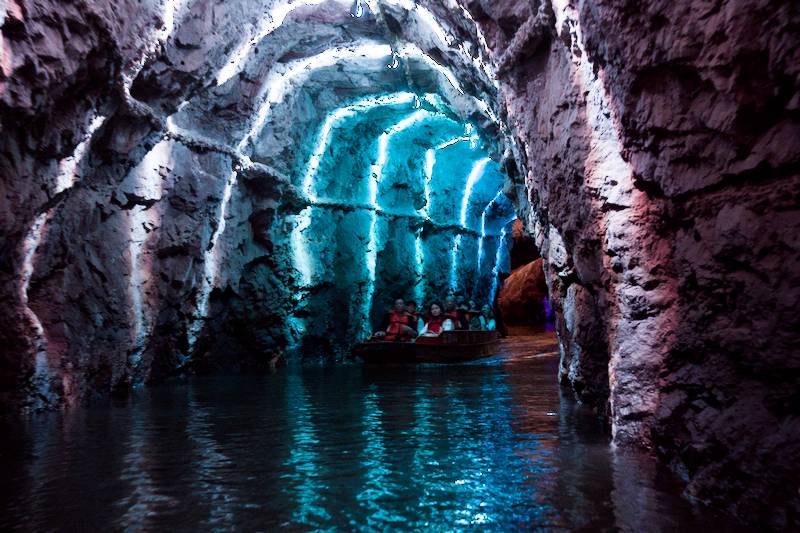
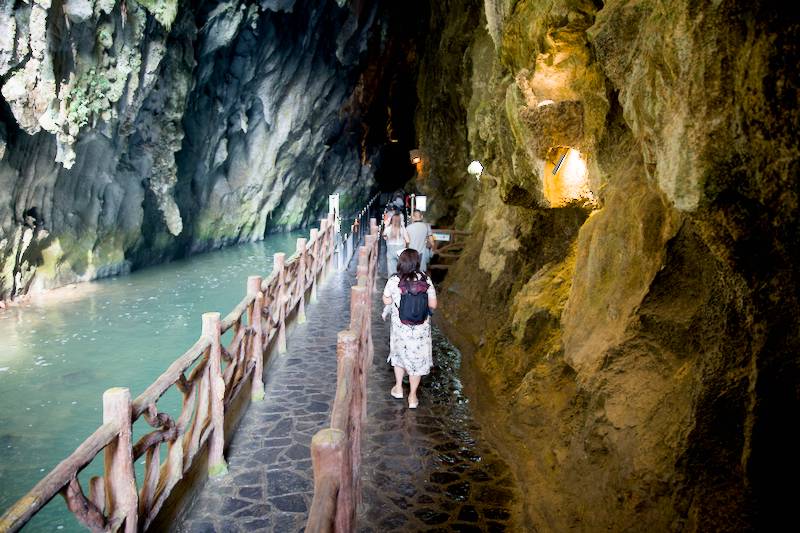
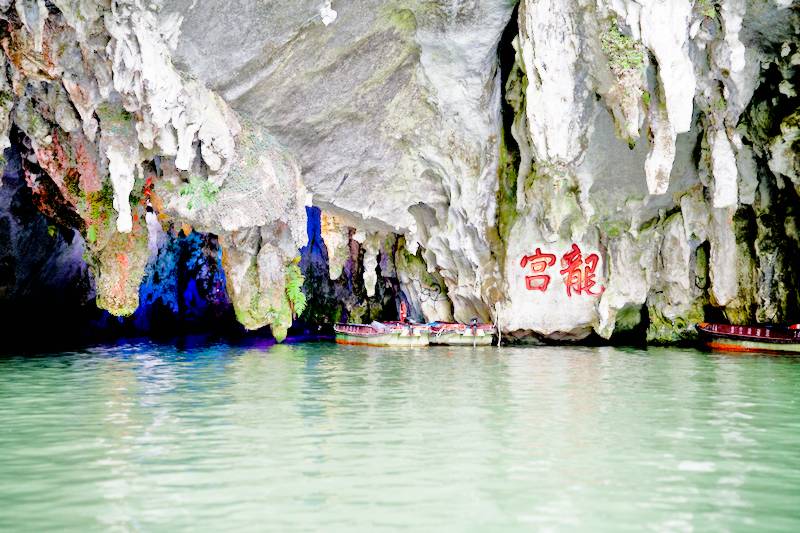
From there, we boarded a small boat with about ten passengers and a local boatman guiding us through. What happened next completely changed the experience of the visit. The boat slowly entered a narrow opening that led into a vast water-filled cave, forming a subterranean river and cave network.
As we moved deeper inside, we saw stunning stalactites and stalagmites throughout the cave, highlighted by colorful lighting that made the formations easier to appreciate. Along the way, there was even a small waterfall inside the cave.
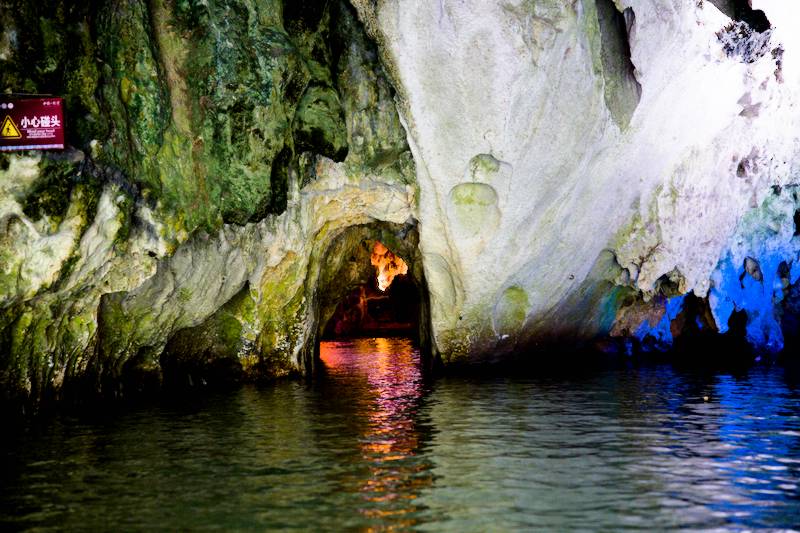
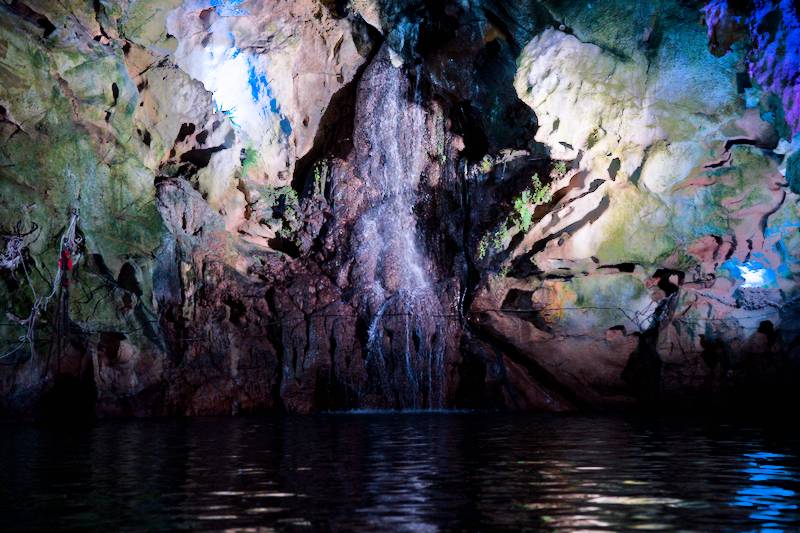
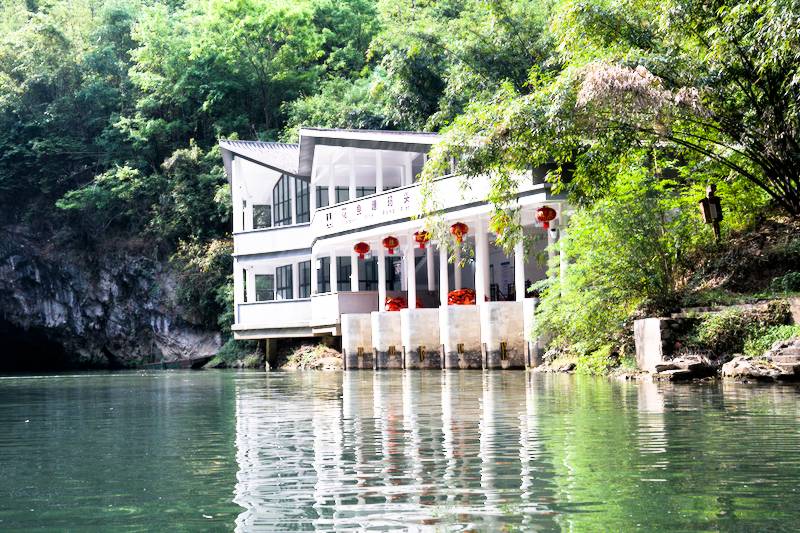
At the end of the lake, we disembarked and walked a short distance to another pier, where we boarded a second boat. This ride took us through a narrow, straight, and brightly lit passage that eventually opened into another lake in an open-air section outside the cave.
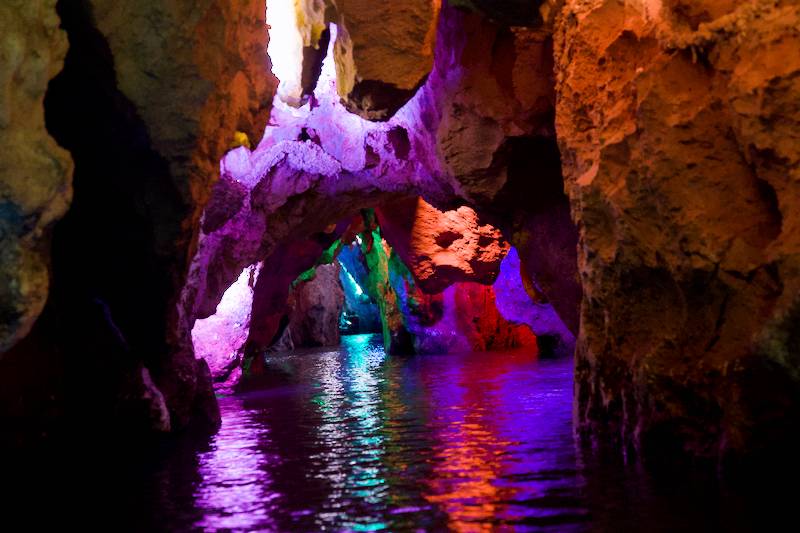
The moment we emerged from the cave into open water felt almost unreal, like stepping from one world into another. The entire experience was both surreal and breathtaking.
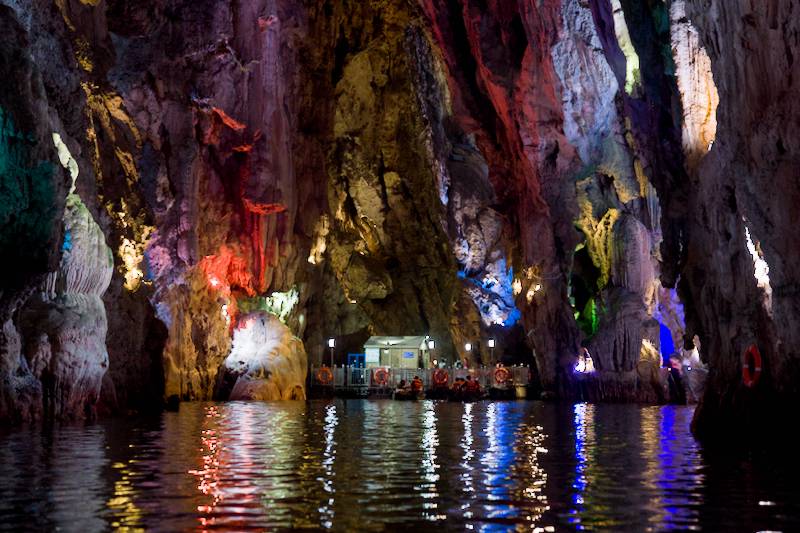
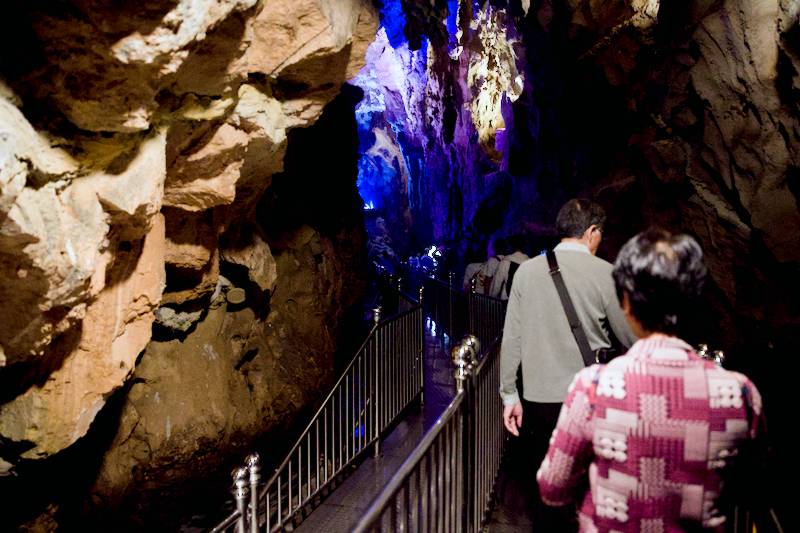
After completing the route, we returned by boat to the original pier, then made our way back to the shuttle bus and continued to Anshun for dinner.
The Legend Behind the Name “Dragon Palace”
You might be looking at the name “Dragon Palace” and wondering if this place has anything to do with actual dragons. The short answer is no. The long answer is way cooler.
- The name comes from the Chinese word 龙宫, which means “Dragon Palace.” It is sometimes also directly transliterated as Longgong. The name comes from a mix of local legend and the natural beauty of the caves themselves. Locals from nearby Dragon Pond Village 龙潭村 believed a dragon king lived in the deep waters of a pond called Xiangshui Longtan 响水龙潭. They said the Dragon King protected them, so they named the area Dragon Palace as a way of giving thanks.
- Then there’s the cave itself. The main underground hall is literally called the Dragon Palace Hall. Picture this: massive crystal-like rock formations, an underground river, and this mystical, almost otherworldly atmosphere looks exactly like what people back in the day imagined the Dragon King’s crystal palace would look like.
- And if that wasn’t enough, there’s also the Dragon Gate Waterfall. It rushes right out of a cave opening like a white dragon bursting into the open. Once you see that, you stop questioning the name altogether.
So no, you won’t find a real dragon here. But you will walk through a place that feels like it was carved out of a legend. That’s why they call it Dragon Palace.
How the Cave Lakes Were Formed
The lakes inside the cave are completely natural. This whole area is formed by karst topography, where rainwater slowly dissolves limestone over a very long time. As the rock gets worn away, it creates underground spaces that eventually turn into caves. Water continues to flow through these spaces and collects in lower sections, forming what we now see as underground lakes. So what feels like separate lakes are actually part of a connected underground river system that has been shaped over thousands or even millions of years.
Now, about that straight tunnel linking the lakes. The passage already existed naturally as part of the cave system, but to make it safe and accessible for visitors, parts of it have been cleared, widened, and fitted with lighting. That is why it feels slightly more polished compared to the rest of the cave. It is a nice balance between preserving nature and making the experience accessible.
Tickets, Pricing & Practical Information
You do not need separate tickets for each activity. Most visitors simply buy one all-in-one package. The ticket usually includes entrance, shuttle bus, boat rides, and the elevator.
The price is around RMB 180. If you skip the elevator, it is slightly cheaper at around RMB 150 to 160, but honestly, the elevator is worth it.
After entering, you will scan your face at the first checkpoint. It is just a quick look at the camera, and you are good to go.
From that moment on, your face becomes your ticket for everything. Elevator, boat, shuttle bus, all included. Just walk up, scan, and go. No tickets, no phone, no stress. This face recognition system is widely used across China.
Overall, Dragon Palace turned out to be one of the most unique experiences in Guizhou. From the cave waterfall to the underground boat journey, it felt like exploring a hidden world beneath the mountains. It is definitely a place that stands out, even among the many scenic spots in the region.
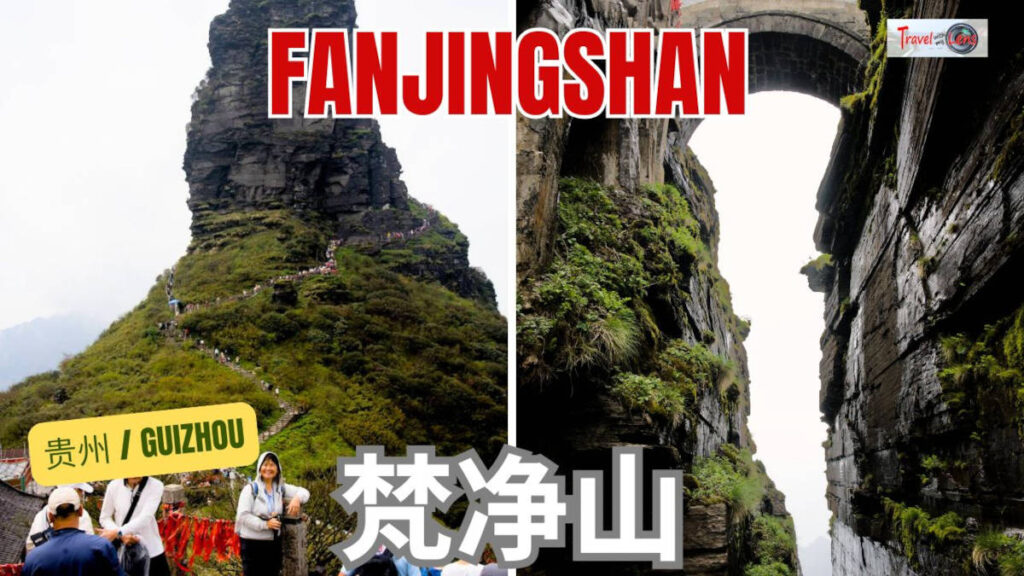
During our stay in Guizhou, China, we also visited one of the most unique mountains we have ever seen, where two vertical peaks are separated by just a few feet by a deep cleft. That is Fanjingshan, and you can read the full story here.
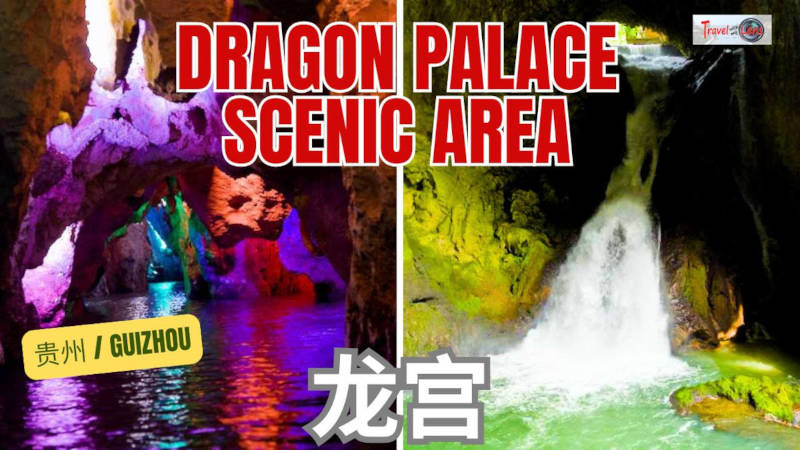
🎥 Watch our Video at Dragon Palace
We’ve put together a video from this trip, which you can watch on YouTube by clicking the image below.