
Kuala Kangsar, the royal town of Perak, is one of Malaysia’s most historically rich destinations, yet it often flies under the radar of many travelers. Known for its royal heritage, traditional Malay architecture, and colonial-era landmarks, the town offers a quiet but fascinating glimpse into Malaysia’s past.
Although we once lived in Ipoh, we never actually made the short journey here. So this time, we finally set out to explore Kuala Kangsar properly, and it turned out to be far more interesting than we expected.
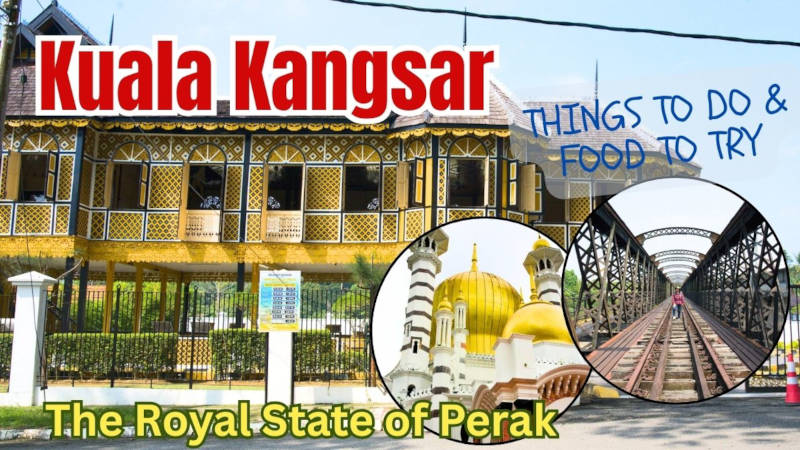
We hope this Kuala Kangsar travel guide will be useful for you when planning your next trip to Kuala Kangsar.
1. Rendang Tok Yoep – A Traditional Malay Heritage Dining Experience
We drove from Kuala Lumpur and reached Kuala Kangsar around noon, just in time for lunch. While searching for a place to eat on Google, we came across Rendang Tok Yoep, which had been highly recommended.
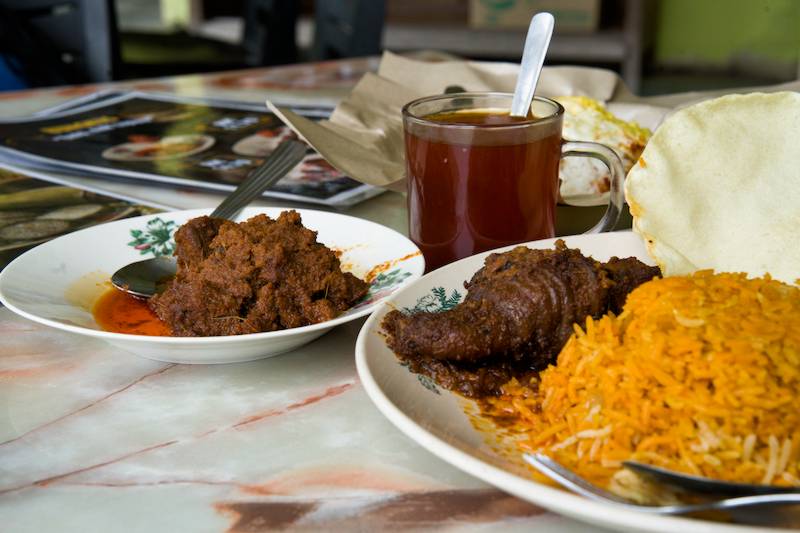
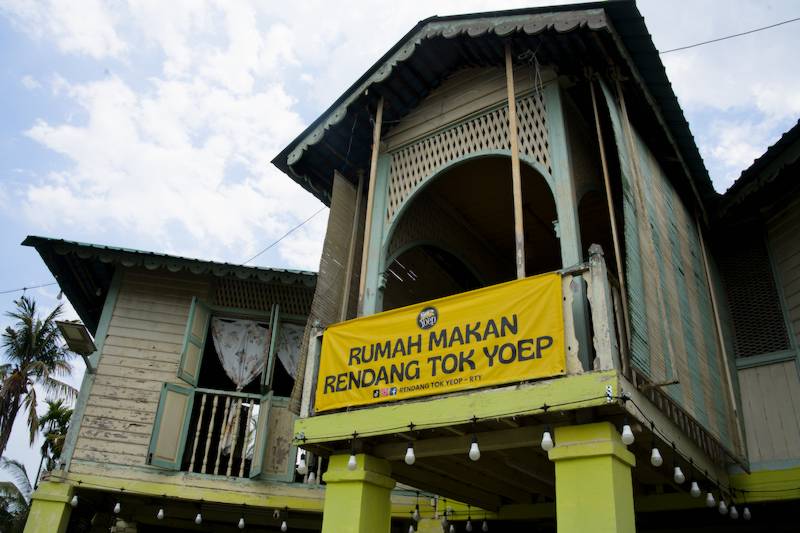
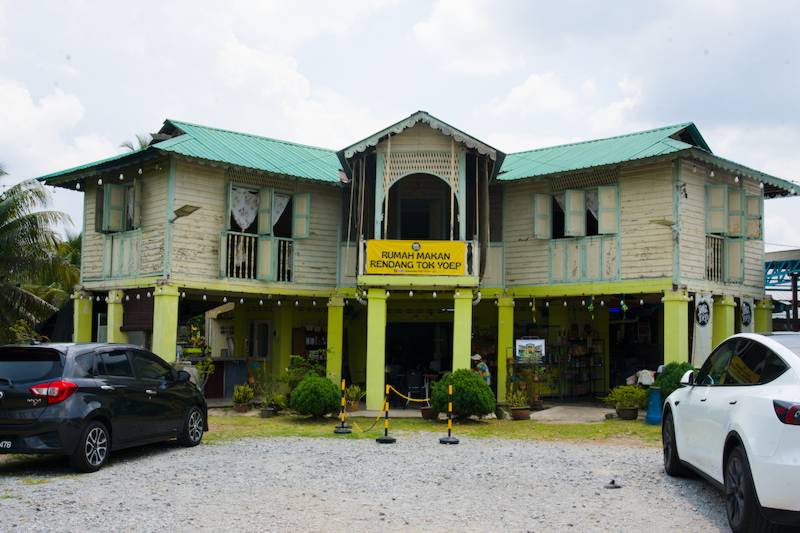
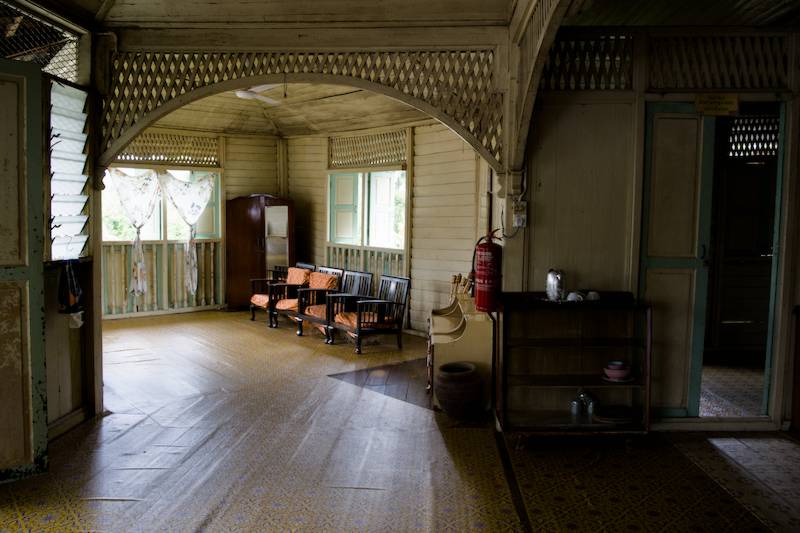
It was a pleasant surprise when we arrived—the restaurant is set in a large traditional Malay bungalow. At first, we weren’t entirely sure if we had made the right choice, but any doubts quickly disappeared once we tasted the rendang. It was incredibly delicious, with tender meat and layers of rich, complex flavors. Without a doubt, it was one of the best rendang dishes we have had from the many places we’ve visited across Malaysia so far.
The building itself was just as interesting as the food. It is a beautiful old Malay house with plenty of character. There was a huge kuali sitting next to the cashier counter. Curious, we asked one of the staff members about it. He explained that they had just finished cooking the rendang in that very kuali earlier in the day. Unfortunately, we missed the cooking process, but he kindly handed me the large wok shovel so I could pretend to stir and cook. The kuali was still warm, with charcoal underneath slowly smoldering.
We later learned that the house is more than 100 years old and originally belonged to the owner’s family. This place is much more than just a restaurant—it serves as a reminder of a bygone era. The upper floor has been preserved and opened as an exhibition area for visitors to explore the interior of a traditional Malay home. It felt like a small museum and offered a fascinating glimpse into Malay culture and architecture, especially for foreign visitors.
For those who would like to bring some home, they also sell retort-packed rendang that can be stored for several months. More information can be found on their website.
Besides the rendang, we also tried their garlic coffee. It was surprisingly good and unlike anything I have come across elsewhere. It was certainly one of the most unusual drinks we had during the trip.
2. Two Centuries of Education Legacy – MCKK & SMK Clifford
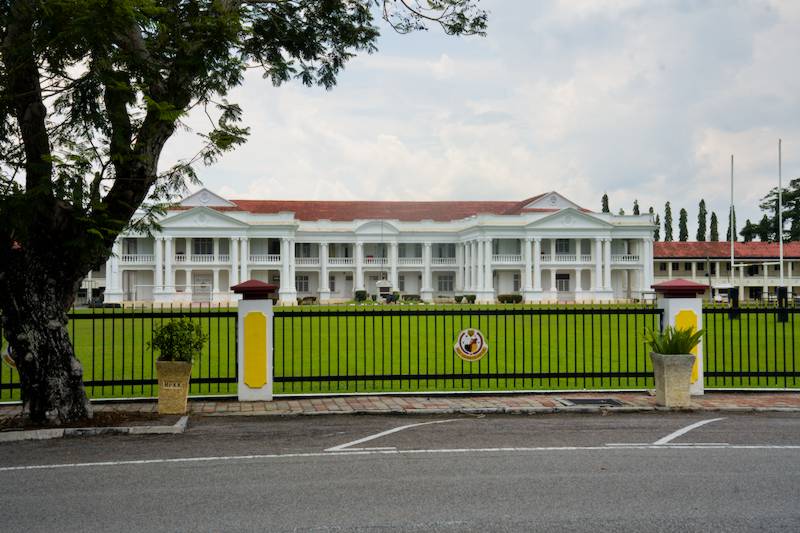
After lunch, we made our way to the town center for a quick glimpse of the famous Malay College Kuala Kangsar (MCKK). This prestigious institution has educated many prominent figures in Malaysia, including members of the royal families, political leaders, and other notable personalities. The architecture features grand Greco-Roman style columns overlooking a vast field. As one of Malaysia’s most prestigious boarding schools, MCKK has long been regarded as a training ground for future leaders.
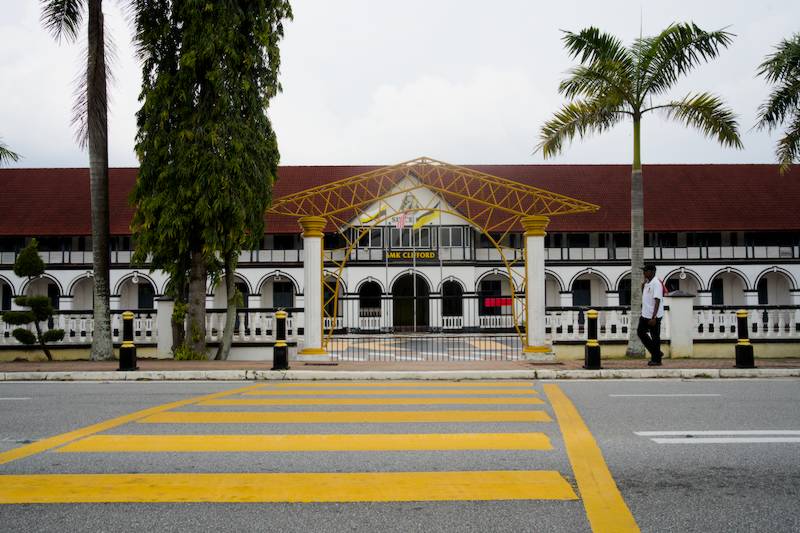
Within walking distance is another well-known institution, SMK Clifford. The school began as a Malay Vernacular School and later became an English-medium school. In 1905, it became the first school in Perak to admit female students, creating a mixed-gender learning environment at a time when such opportunities were uncommon. The school was later renamed Clifford School in honor of Sir Hugh Clifford, who served as Governor of the Straits Settlements and High Commissioner of the Federated Malay States.
3. Pavilion Tower Kuala Kangsar – A Royal Polo Retreat with Colonial Charm
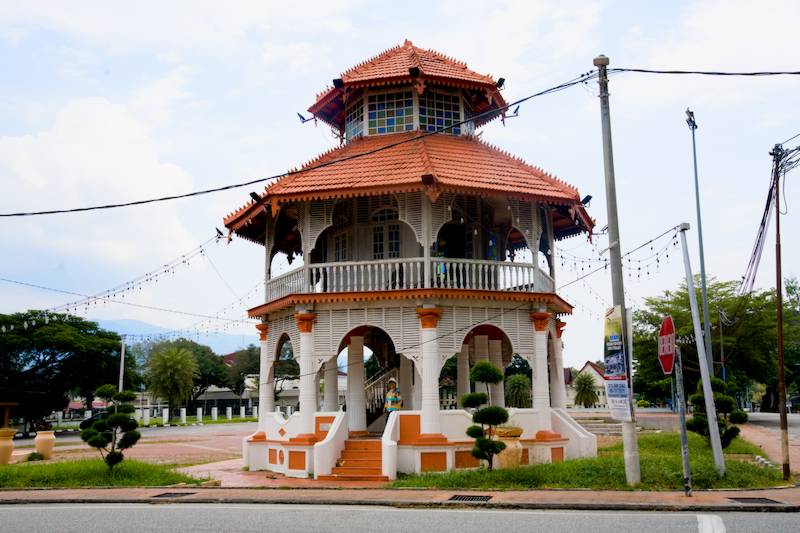
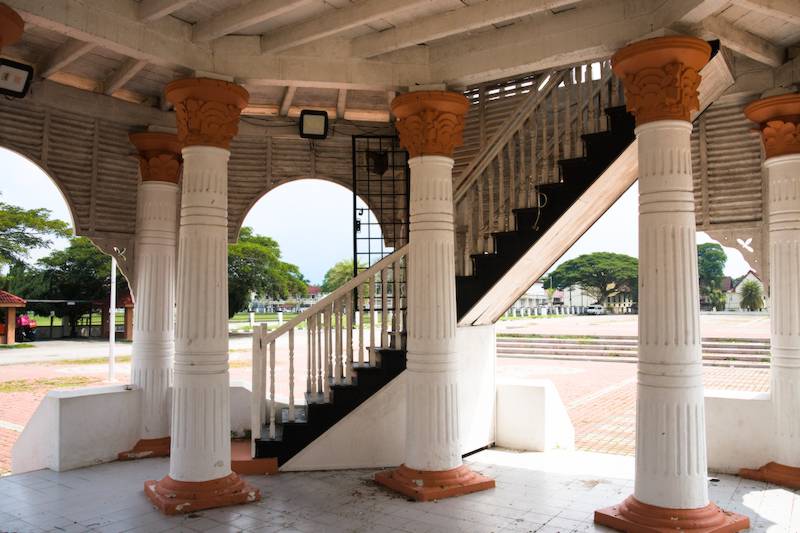
Not far from the Malay College is the Pavilion Tower Kuala Kangsar. When we visited, it was under refurbishment, but we were still able to go up to the first floor and enjoy a good view of the surroundings.
Although not particularly large, the building stands out for its unique design and fascinating history. Built in 1920, it occupies a prominent corner site overlooking the Malay College Kuala Kangsar grounds.
According to history, Sultan Iskandar Shah was an avid polo player at the time. This pavilion was specially built as a private royal retreat where the Sultan could rest, change clothes, and enjoy refreshments after polo matches held on the nearby Malay College field.
4. Coronation Memorial Clock Tower – A Blend of Colonial and Islamic Architecture
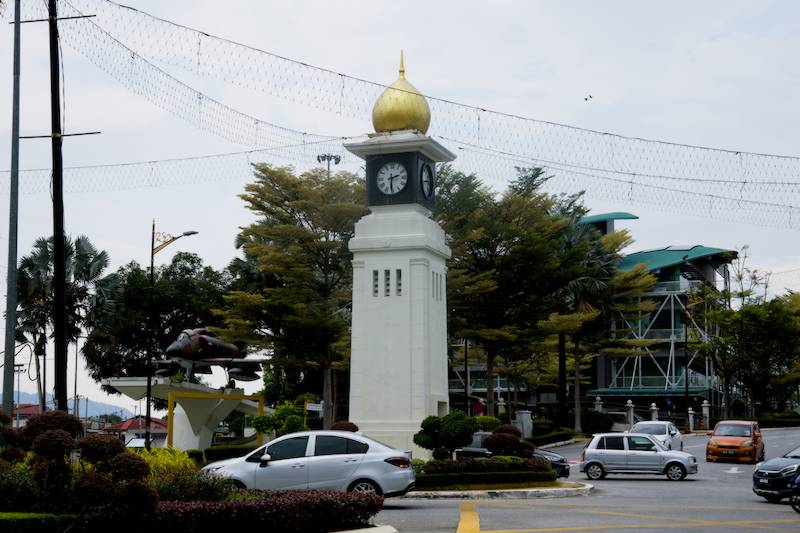
From the Pavilion Tower, it was only about a minute’s drive to one of Kuala Kangsar’s most recognizable landmarks—the Coronation Memorial Clock Tower. Standing prominently in the town center, it is perhaps one of the most photographed structures in Kuala Kangsar.
The clock tower was built to commemorate the coronation of King George VI and Queen Elizabeth. It features an interesting architectural style. Although constructed during the British colonial era, it is far from a purely colonial design. The distinctive onion-shaped domes clearly reflect Islamic architectural influences, creating a unique blend of Eastern and Western design elements.
5. Medan Cendol dan Laksa – Local Flavors and a Glimpse of Slow Town Life
Besides looking for the best things to do in Kuala Kangsar, we also wanted to try the local food.
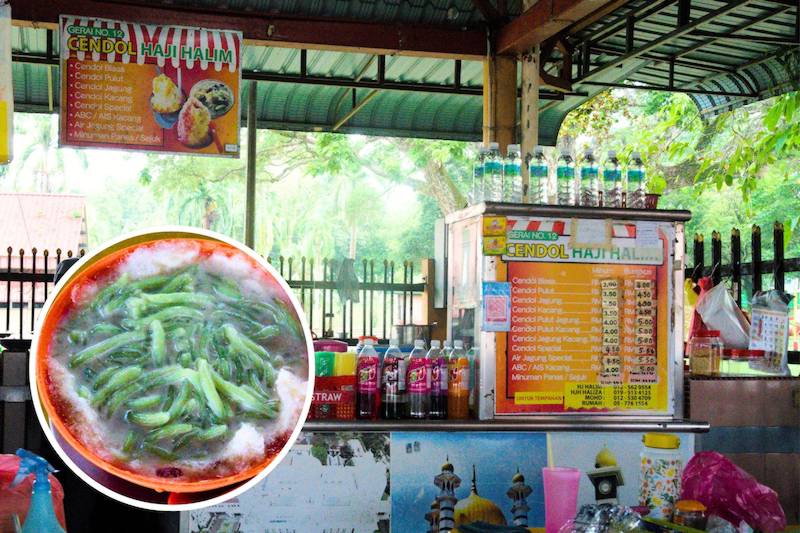
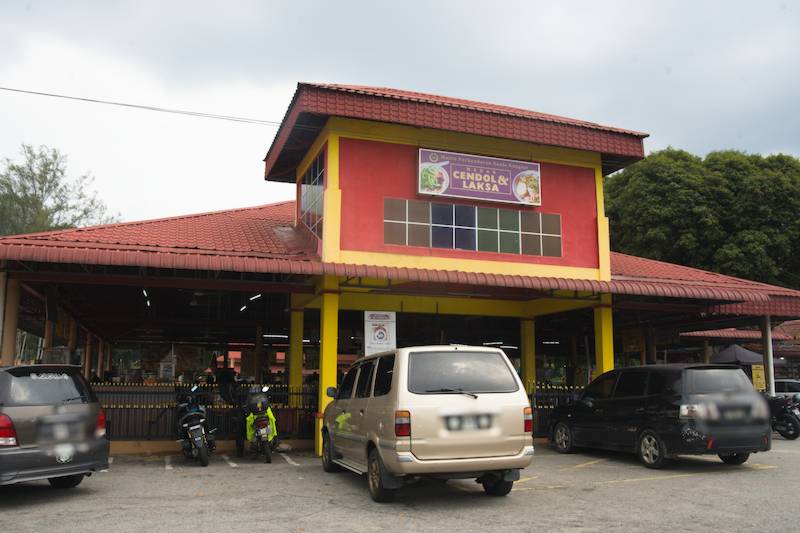
We parked our car near the Clock Tower and took a stroll to Medan Cendol dan Laksa, a popular food court known mainly for its cendol and laksa stalls. The surrounding area is also lined with souvenir shops, and while browsing, we asked one of the shop owners where to find the best cendol in town. Without hesitation, he pointed us to Cendol Haji Halim.
We ordered a bowl to cool down, but to be honest, I found it quite ordinary.
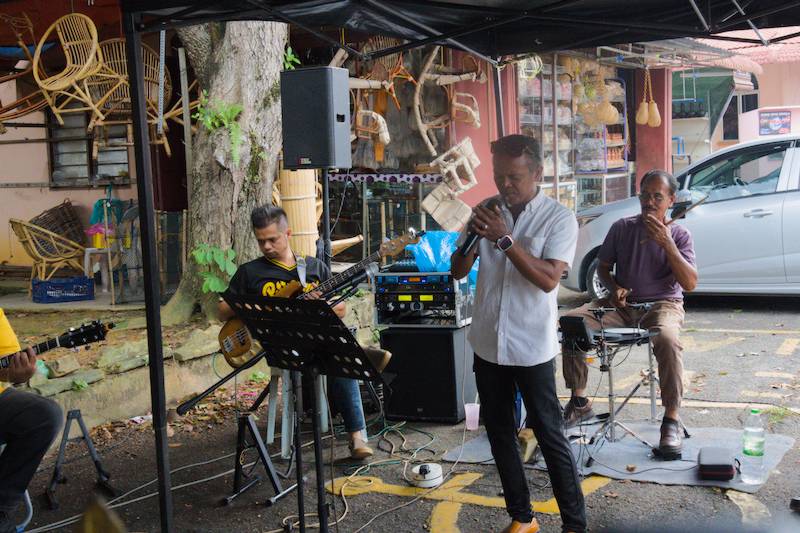
What caught my attention instead was a group of senior locals gathered beside the stall, singing and playing music. They were simply enjoying life. There was no rush and no sense of urgency—just friends spending time together and enjoying a pleasant afternoon.
That moment perfectly captured the pace of life in Kuala Kangsar. Compared with Kuala Lumpur, everything seemed more relaxed and unhurried, a charm that is becoming increasingly rare in larger cities.
6. Warung Telaga – Laksa Telur Sarang in a Quirky Heritage Café Setting
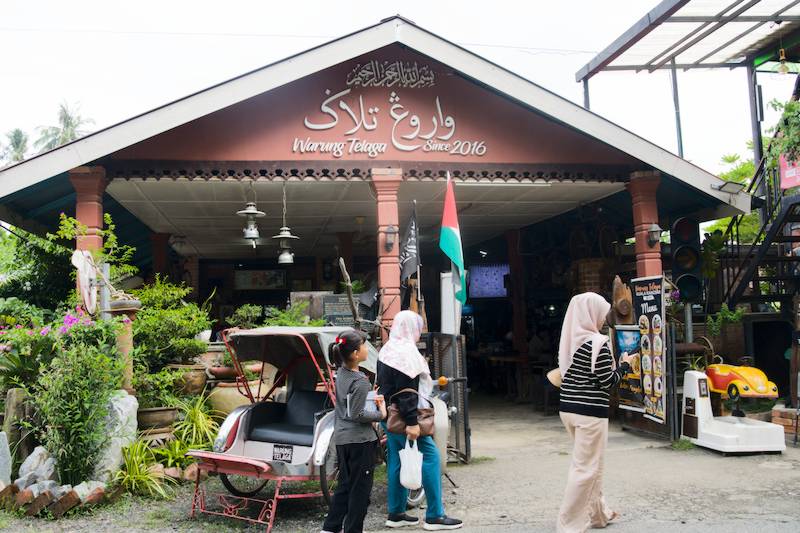
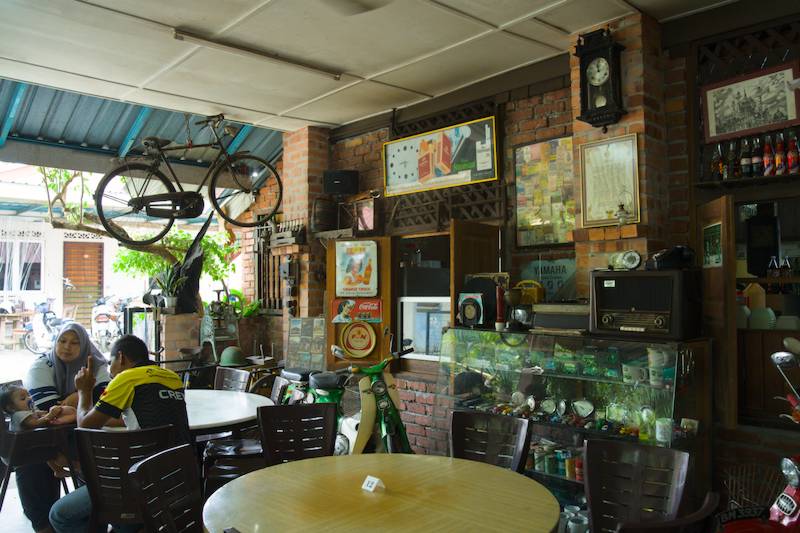
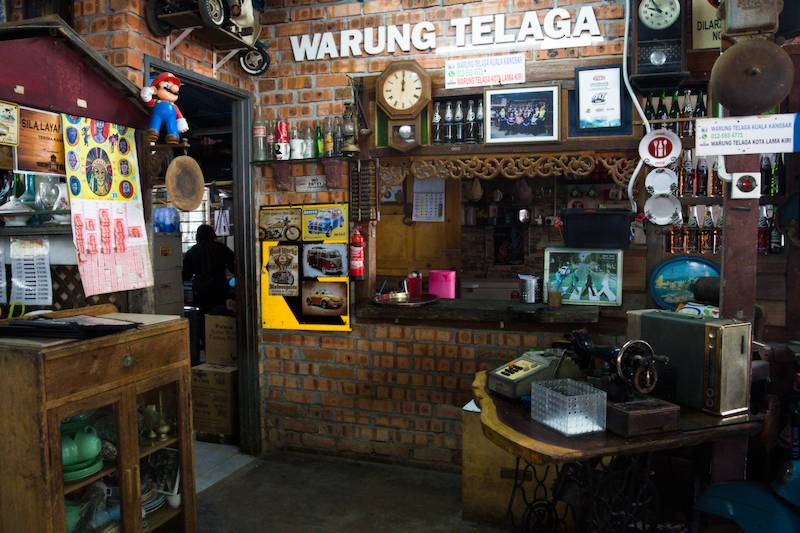
After having cendol, we drove to Warung Telaga to try the town’s famous Laksa Telur Sarang. The restaurant itself is worth a visit, as the décor is filled with antique furniture and creative touches that give the place plenty of character. Old sewing machines have been transformed into tables, while bicycles hang upside down from the ceiling. There are both indoor and outdoor seating areas, each with their own unique atmosphere.
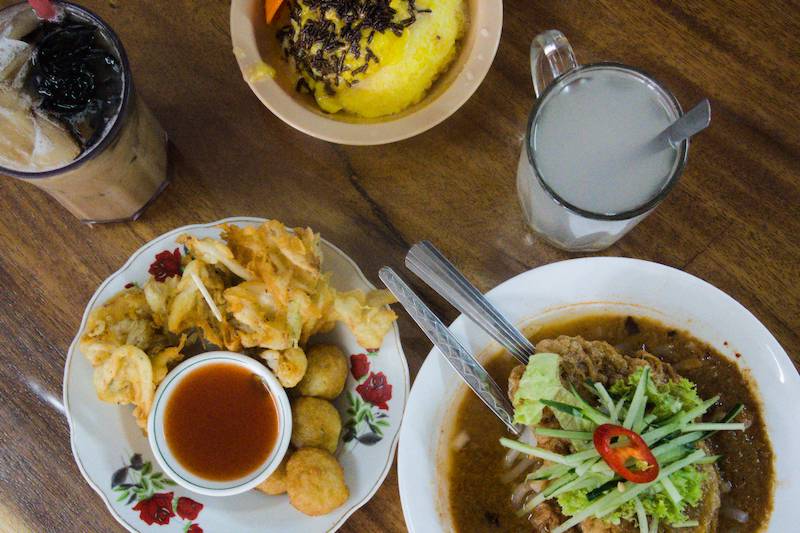
The signature Laksa Telur Sarang is a local specialty featuring laksa topped with a deep-fried egg that is cooked until crisp and shaped like a bird’s nest. As the dish sits, the egg gradually absorbs the rich fish broth from the noodles. The combination of textures and flavors makes it quite different from other laksa varieties found around Malaysia. The crispy egg, tender noodles, and savory broth work surprisingly well together.
It was unlike any laksa we had tried before, and for that reason alone, I think it is well worth seeking out when visiting Kuala Kangsar.
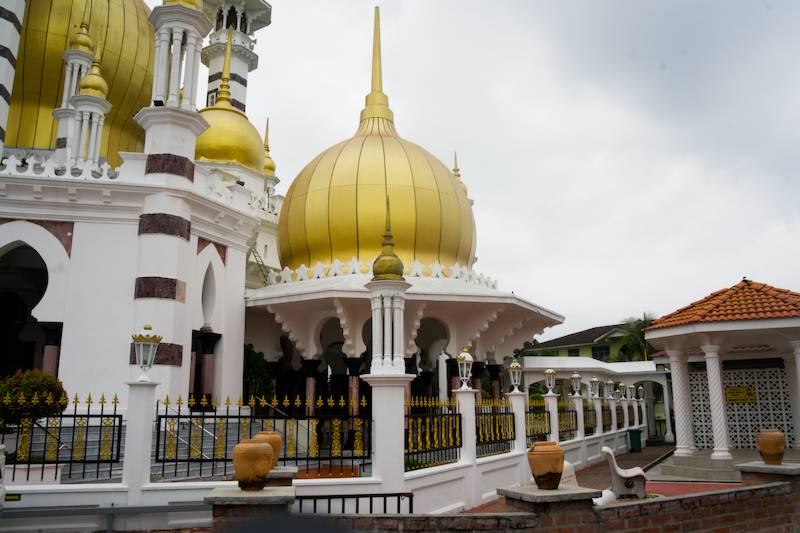
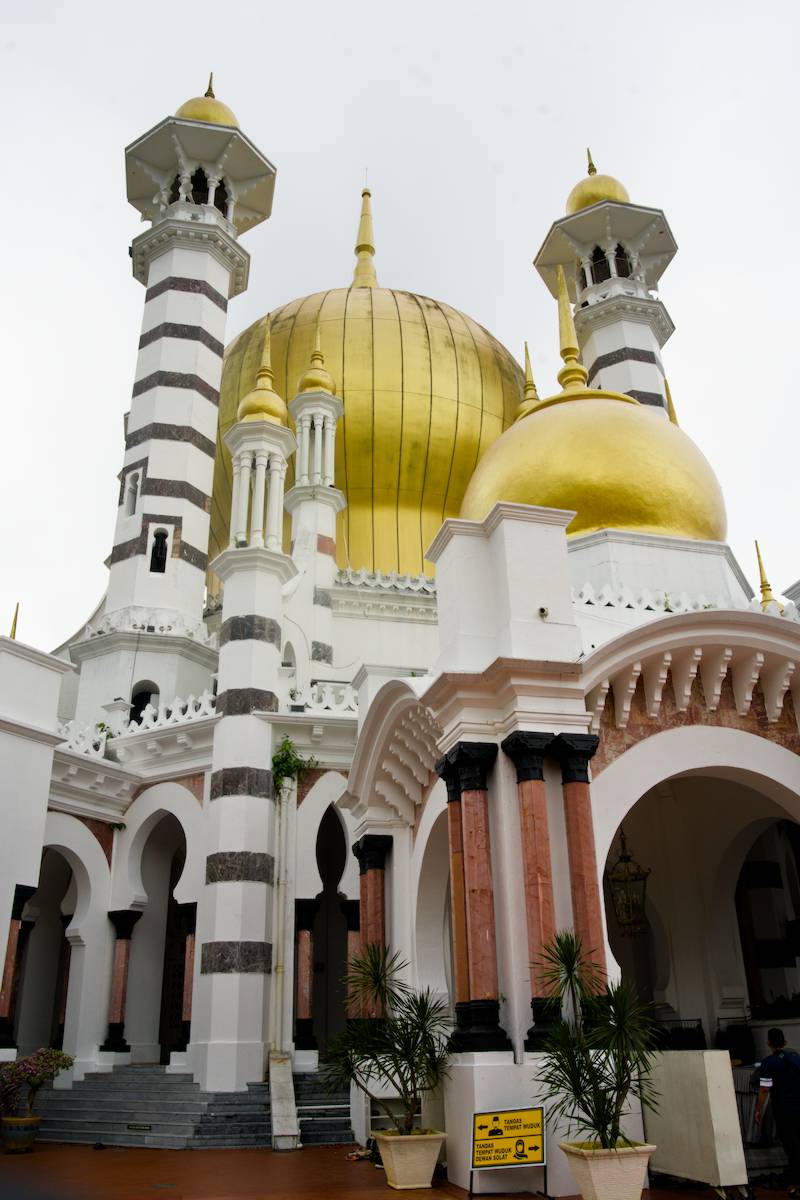
7. Ubudiah Royal Mosque – One of Malaysia’s Most Beautiful Mosques
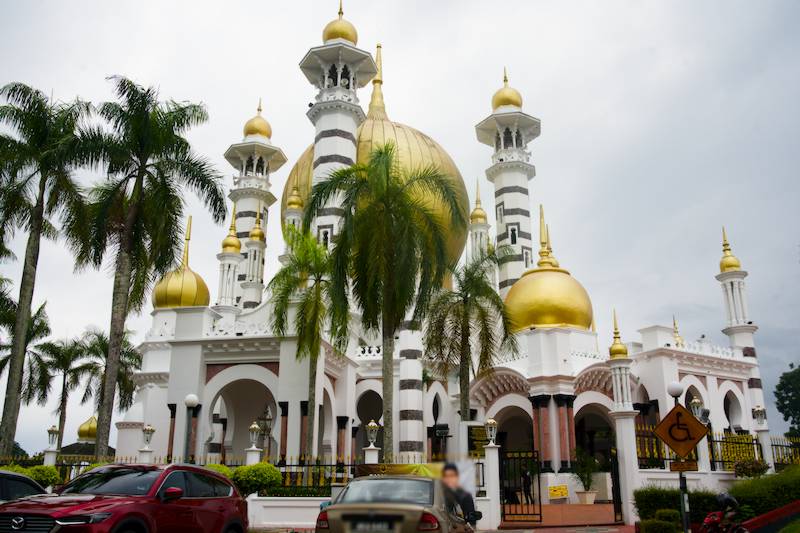
Before returning to Ipoh for our overnight stay, we stopped by the famous Ubudiah Royal Mosque near the royal palace. By any standard, it is one of the most beautiful mosques in Malaysia.
Completed in 1917, the mosque was built in a striking Indo-Saracenic architectural style that blends Islamic and colonial influences. Its most distinctive feature is the series of magnificent golden domes that rise above the building and can be seen from afar.
The mosque is finished with gray and white Italian marble, giving it an elegant and timeless appearance. The combination of gleaming golden domes and marble surfaces creates a structure that is both grand and graceful.
8. Baitul An Nur – A Forgotten Malay Aristocratic Residence
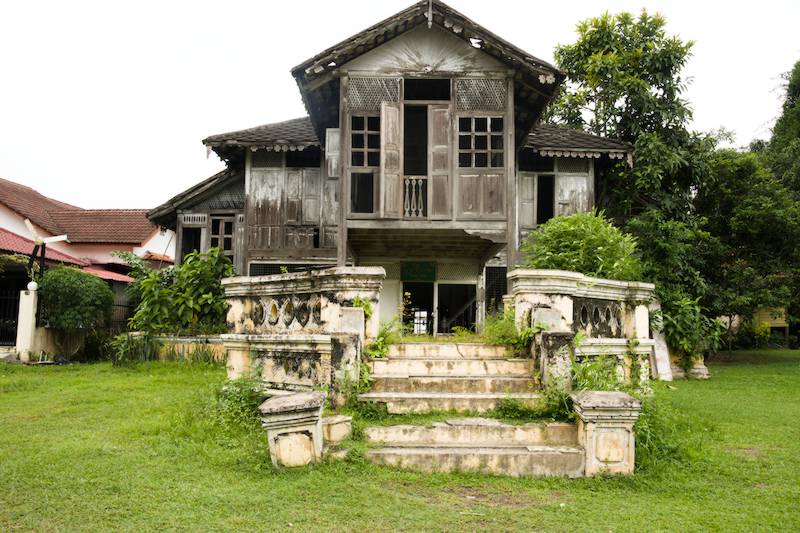
Next to the mosque stands a unique traditional Malay house known as Baitul An Nur. This abandoned structure was built in 1912 by Raja Kecil Sulung Harun Al Rashid, a prince of Perak, as a residence for his third wife, Raja Mentera binti Raja Sir Chulan.
Unfortunately, the house is now in a severely deteriorated condition, and we are not allowed access to the upper floor. Even in its current state, however, it offers a glimpse into what was once a fine example of Malay aristocratic architecture during its golden era.
9. Istana Kenangan – A Nail-less Wooden Royal Palace of Perak
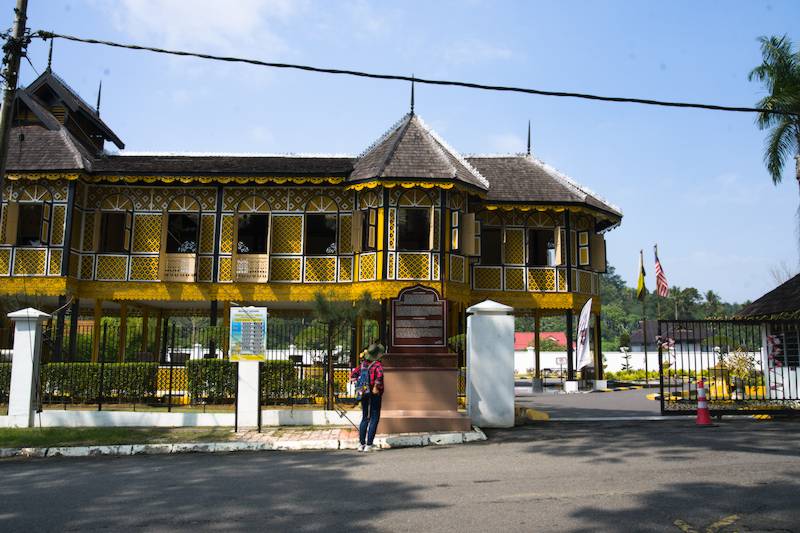
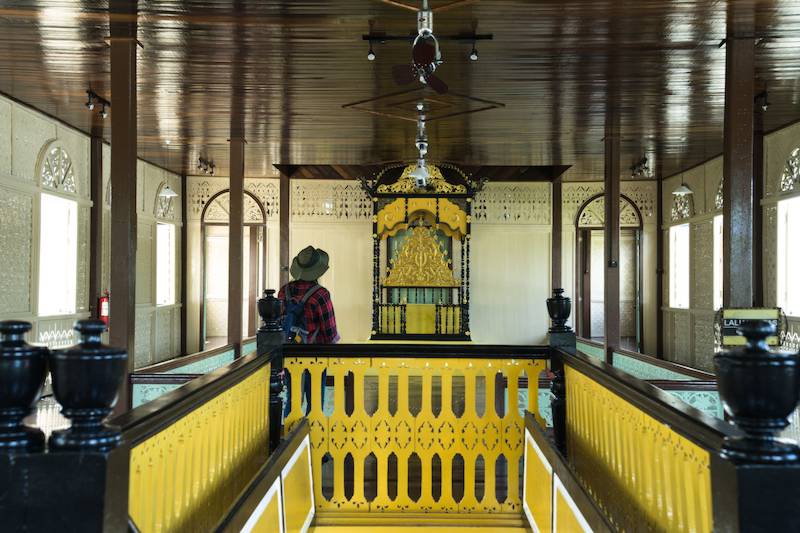
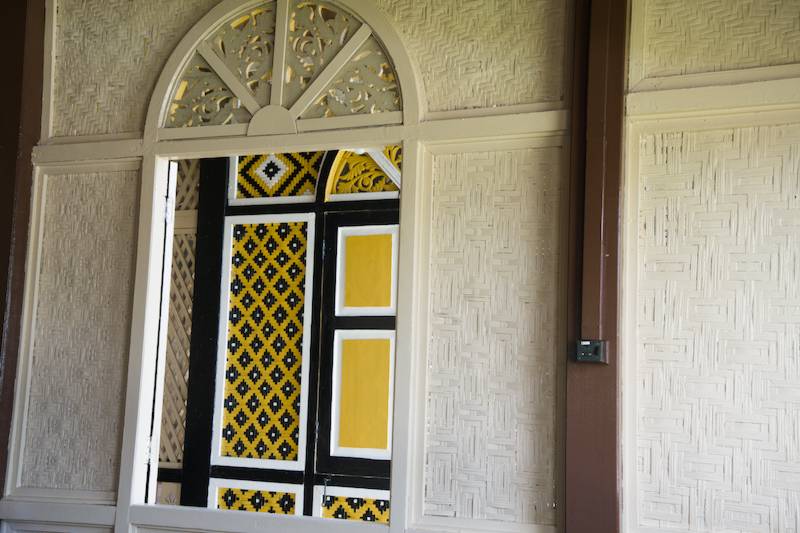
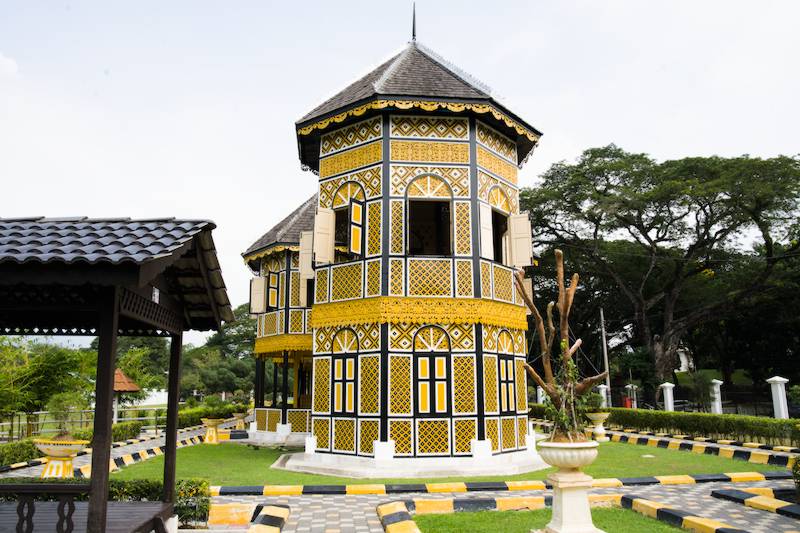
We returned to Kuala Kangsar the next morning to explore Istana Kenangan. This is one of the most unique buildings in the town and a remarkable example of traditional Malay architecture. Built entirely of wood without the use of a single nail, the palace showcases the craftsmanship and ingenuity of Malay builders of the past.
Originally known as Istana Lembah, it was built in 1931 during the reign of Sultan Iskandar Shah. At the time, it served as a temporary royal residence while the new Istana Iskandariah was under construction. After the new palace was completed, the building continued to be used by members of the Perak royal family.
In the 1960s, it was renamed Istana Kenangan, which means “Memorial Palace.” Later, in 1986, it was converted into the Perak Royal Museum.
During our visit, the building was undergoing repainting and renovation, and many of the exhibits had not yet been returned for display. Even so, we enjoyed walking around the grounds and admiring its striking color scheme and intricate wooden architecture. It is truly a remarkable piece of heritage and well worth visiting, even in its quiet, partially restored state.
Galeri Sultan Azlan Shah
We had also planned to visit the Galeri Sultan Azlan Shah, which is just a few minutes away from Istana Kenangan. Unfortunately, it was under refurbishment during our visit. According to the staff on site, the gallery is expected to reopen later this year.
10. Victoria Bridge, Karai – Malaysia’s Oldest Railway Bridge
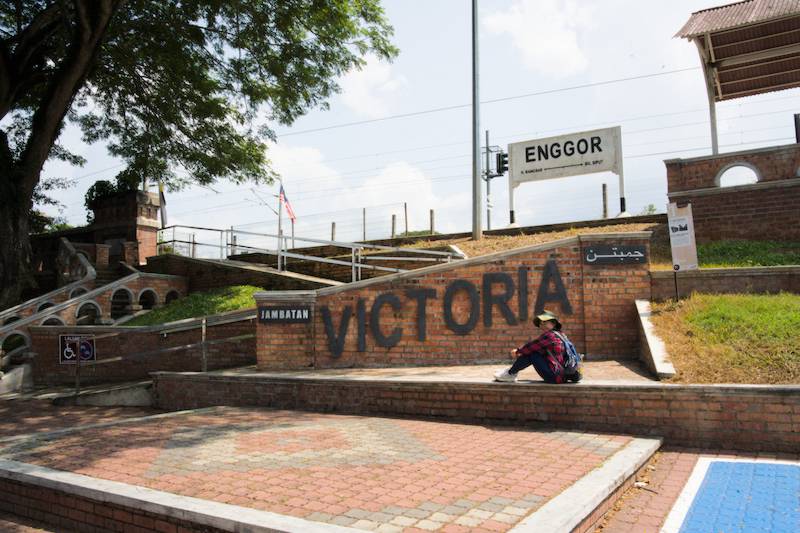
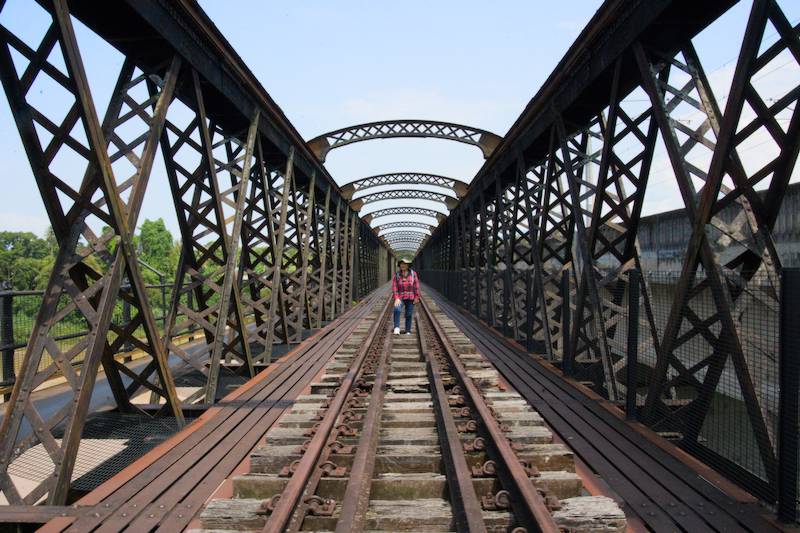
Before lunch, we made a quick stop at Victoria Bridge in Karai, about 10 km north of Kuala Kangsar. This is one of the must-visit attractions in Kuala Kangsar. It is the oldest railway bridge in Malaysia and was officially gazetted as a National Heritage Site in 2016.
The bridge is more than 100 years old and was retired from railway service in 2002, when a newer double-track bridge was built right alongside it.
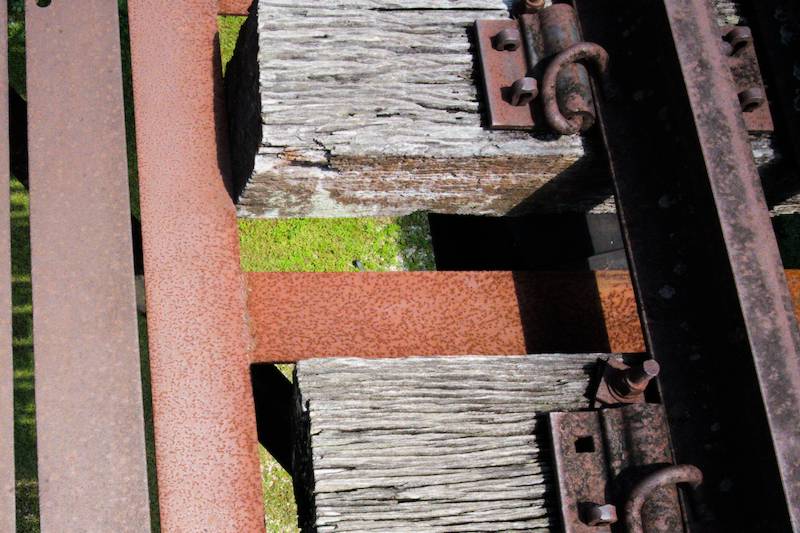
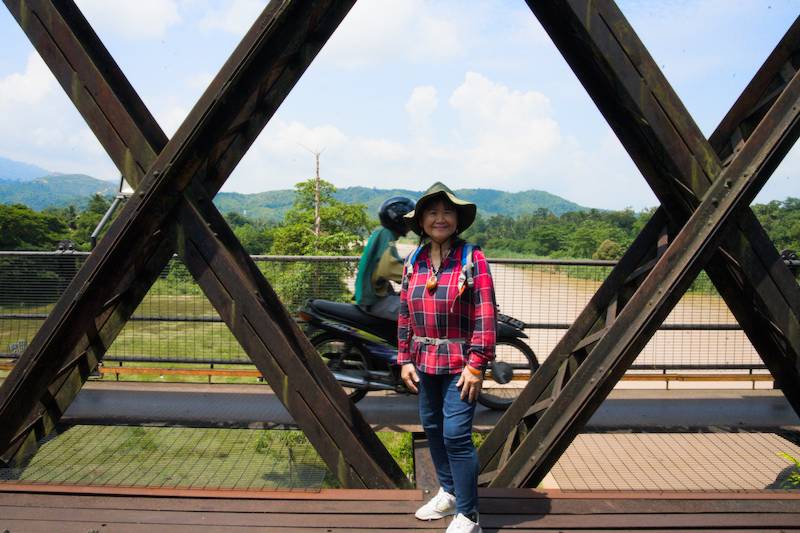
Today, it has been opened as a tourist attraction, allowing visitors to walk across it. We walked along the old railway track and had to be a bit careful, as there are still gaps between some of the wooden planks. On one side, there is a narrow lane that still allows motorbikes to pass through.
11. The Oldest Rubber Tree in Malaysia – A Living Piece of Colonial History
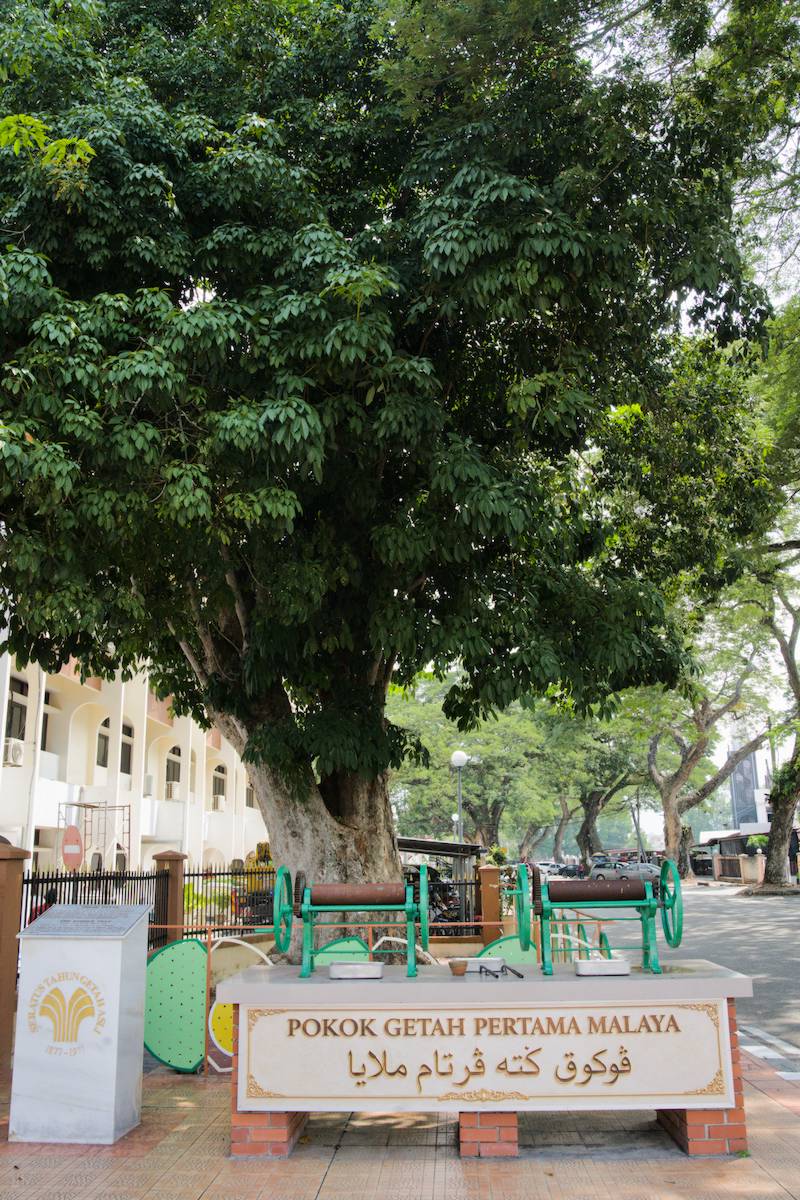
We returned to the town center since we had missed visiting the oldest rubber tree in Malaysia the day before. It is only about a two-minute walk from the Pavilion Tower.
This rubber tree was planted in 1877 and is now more than 140 years old. It stands at the junction of Jalan Tun Razak and Jalan Raja Chulan. It holds an important place in history, as Malaysia has grown to become one of the world’s largest rubber producers.
The tree traces its origin back to 22 rubber seedlings brought from England during the British colonial period by botanist H. N. Ridley. These seedlings were distributed to various locations, including the Singapore Botanic Gardens and Seremban. We have also visited the oldest rubber tree in Seremban before, and you can read our story here.
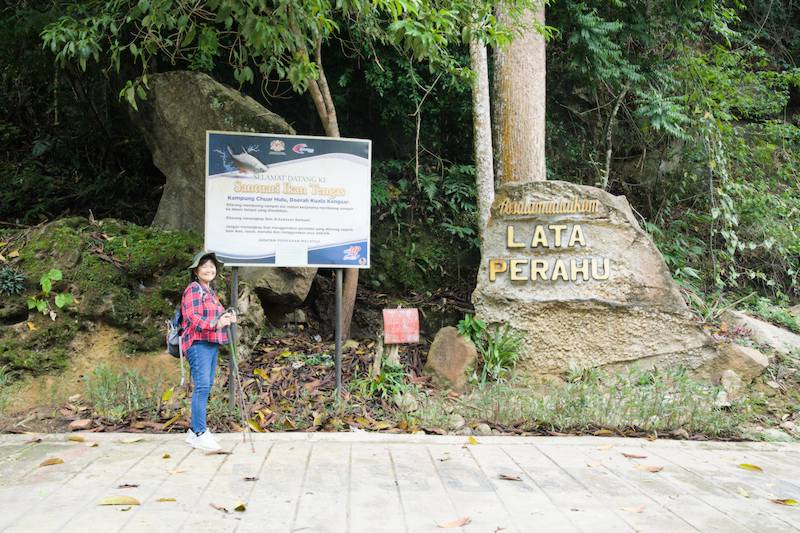
12. Lata Perahu Waterfall – A Quiet Natural Escape Near Kuala Kangsar
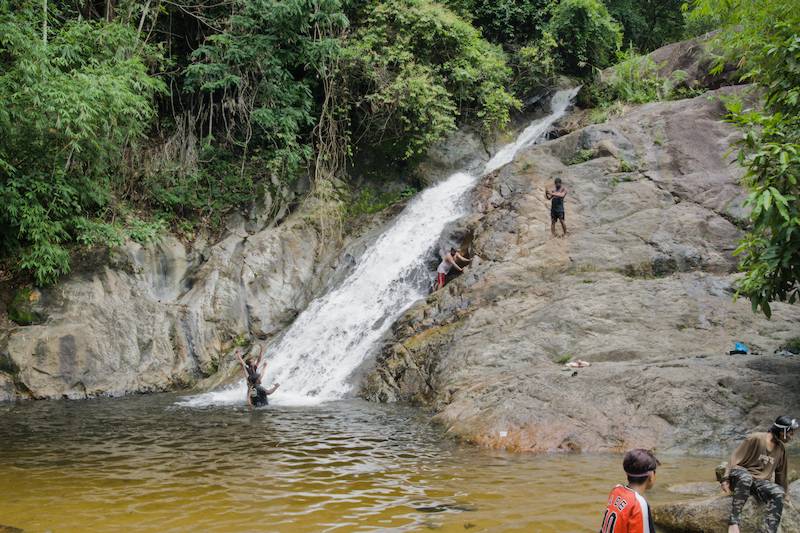
Our final stop in Kuala Kangsar before heading home was Lata Perahu Waterfall. It is located about 25 km north of the town, and the road leading there is quite narrow, with only one car able to pass in some sections.
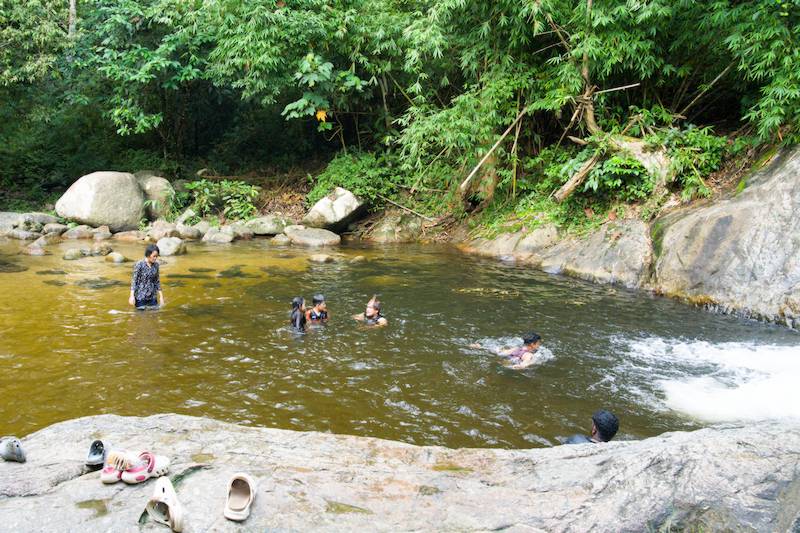
The waterfall itself is not very large or tall, standing at around 10 meters, but it has a lovely natural pool at its base. The water is fairly shallow and calm, making it a popular spot for locals to swim, splash around, or simply relax by the water.
There is also a campsite nearby for those who wish to stay overnight. Basic facilities are available, including changing areas, and there is a small entrance fee of RM2 per person.
Even though it is a modest waterfall, it offers a different side of Kuala Kangsar—away from its royal heritage and historical architecture—and allows visitors to enjoy a more laid-back connection with nature before ending the trip.
🎥 Watch our Video: Things to do in Kuala Kangsar, Malaysia
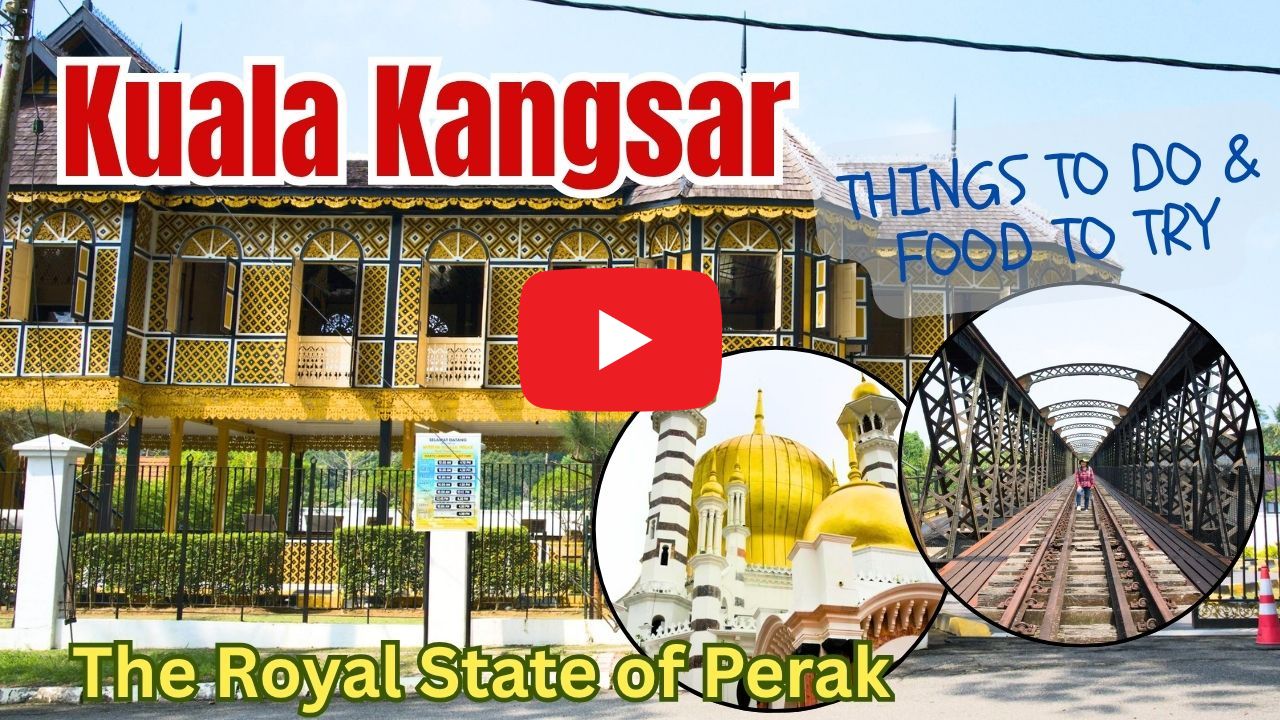
We’ve put together a video from this trip, which you can watch on YouTube by clicking the image below.
A Slow-Paced Royal Town Full of Heritage and Charm
Kuala Kangsar may not be the most famous destination in Malaysia, but that is exactly what makes it special. It is a town where royal heritage, traditional Malay culture, and colonial history live side by side in a calm and unhurried way, far from the noise and rush of city life.
From heritage buildings and historic schools to riverside bridges, local food, and even natural waterfalls, Kuala Kangsar gives you a travel experience that feels relaxed, simple, and refreshing.
If you are visiting Ipoh or passing through Perak, this royal town is definitely worth a stop, even if you only have half a day.

