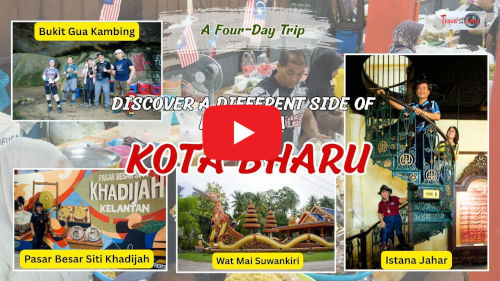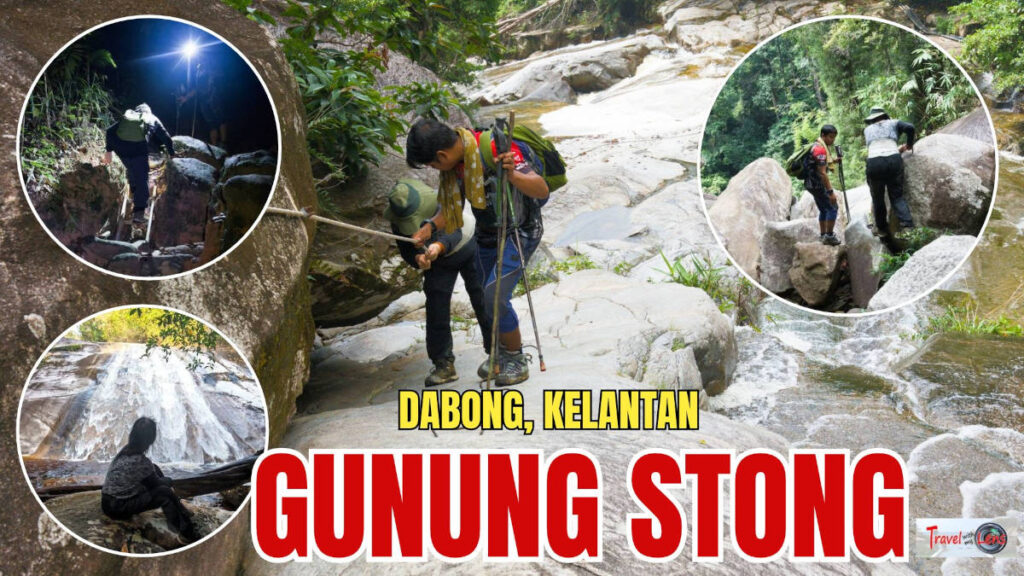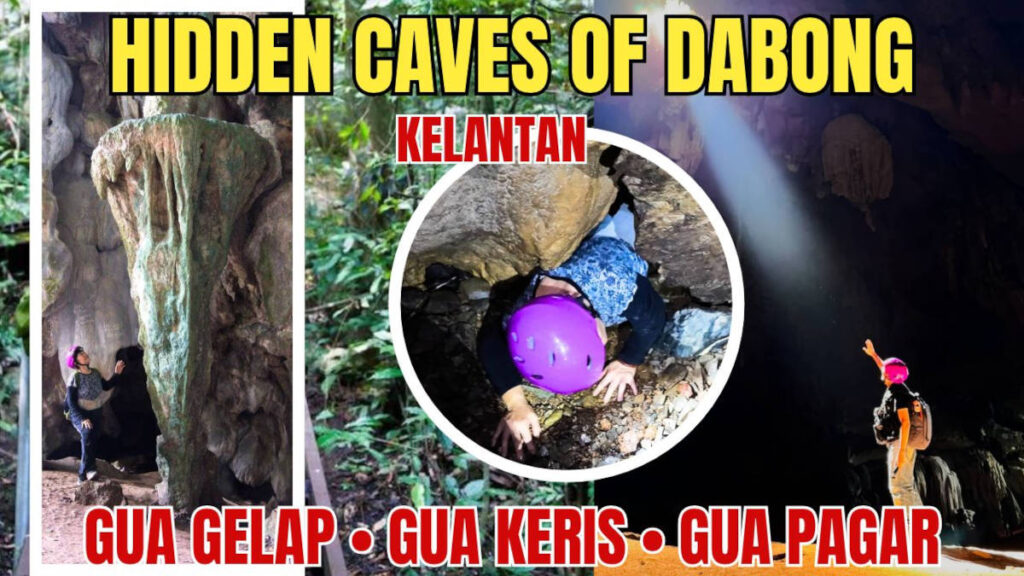
Have you ever explored a part of your own country that you’ve never visited before? That’s exactly what we did when we finally made our way to Kota Bharu and Tumpat, Kelantan, on the east coast of Peninsular Malaysia. From local food and beautiful Buddhist temples to a challenging jungle hike, we discovered a different side of Malaysia over four days. Come along and see what we found!
Content
Note: Click any item to jump straight to that part of the post.
- Lieniey Nasi Kerabu Tumis: Our First Taste of Kelantan
- Kelantan State Museum: A Look at Local History
- War Museum (Muzium Perang)
- Kampung Kraftangan: Shopping for Local Crafts and Souvenirs
- Istana Batu: A Glimpse into Royal Life
- Istana Jahar: Traditional Wedding Customs and Royal Heritage
- Dataran Cheng Ho: Chinese Food for Dinner
- Kopitiam Kita: Starting the Day with Roti Titab
- Exploring the Four Beautiful Thai Buddhist Temples in Tumpat
- Floating Market Sri Tanjung Tumpat (Pasar Terapung Pulau Sri Tanjung)
- Pantai Sri Tujuh: A Quick Look at the Beach
- Warisan Nasi Kukus: A Relaxed Local Lunch
- A Challenging Jungle Hike in Kelantan
- Satay Malaysia: A Relaxing Dinner After the Hike
- Back to Sultan Ismail Petra Airport
- 🎬Watch our video
Day 1: Exploring Kota Bharu
Lieniey Nasi Kerabu Tumis: Our First Taste of Kelantan
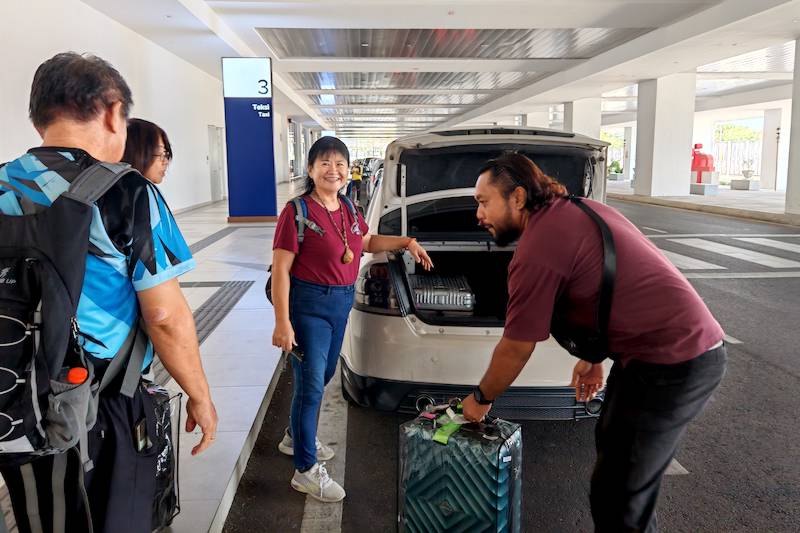
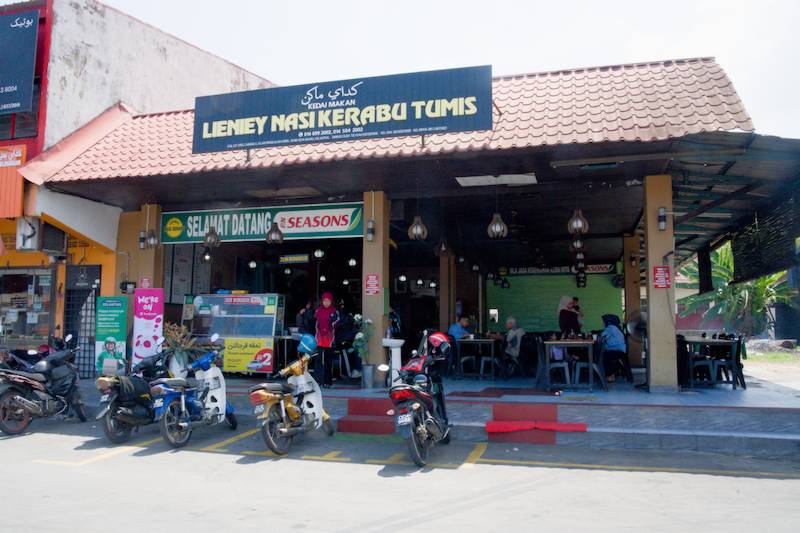
It was around noon when we arrived, so we picked up our car from Bez Car Rental and headed to Lieniey Nasi Kerabu Tumis, a restaurant not far from the Kota Bharu airport, for lunch.
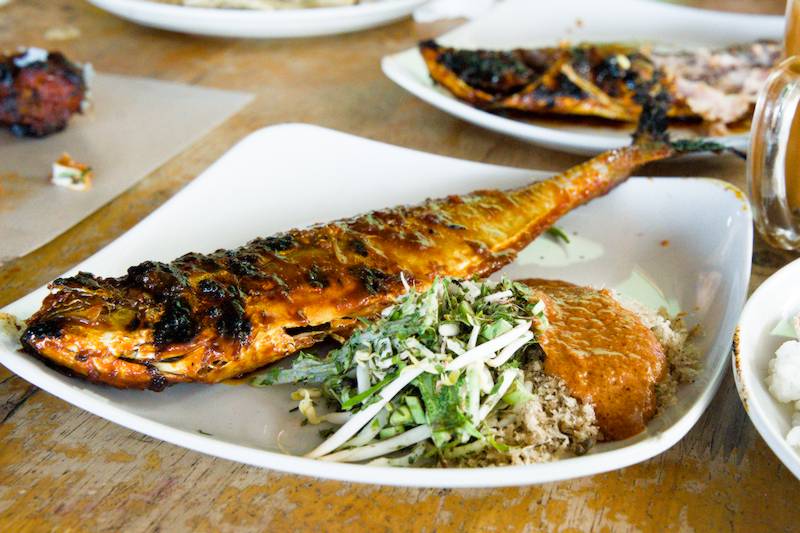
Since nasi kerabu is one of Kelantan’s signature dishes, we certainly didn’t want to miss the opportunity to try it while we were there.
The restaurant didn’t have air conditioning, but it was airy enough to make dining reasonably comfortable.
For those unfamiliar with it, nasi kerabu is an iconic Malaysian dish that originated in Kelantan. Its most distinctive feature is the blue rice, which gets its natural color from butterfly pea flowers.
We had our rice served with fish and chicken, fresh local herbs known as ulam, fish crackers, and salted egg. It was a colorful and satisfying meal, and I was glad we started our Kelantan adventure with this local specialty.
Kelantan State Museum: A Look at Local History
The midday heat was becoming quite intense, so we decided to visit the Kelantan State Museum first.
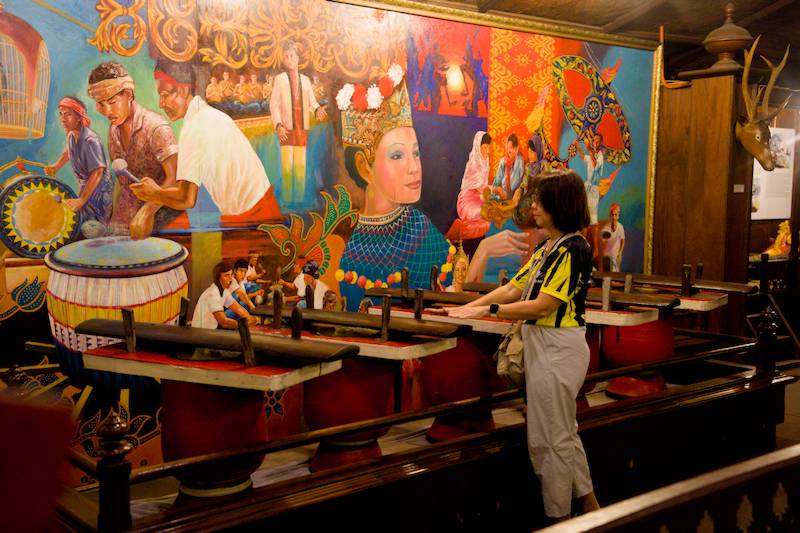
The museum has two floors. The ground floor was hosting an exhibition on motorcycles when we visited. The exhibition covered the history of motoring in Malaysia, from its early days through the postwar period and into modern times.
Beside the motorcycle exhibition, there was a replica of Gua Cha, a cave in Kelantan where archaeological discoveries have provided evidence of prehistoric human occupation.
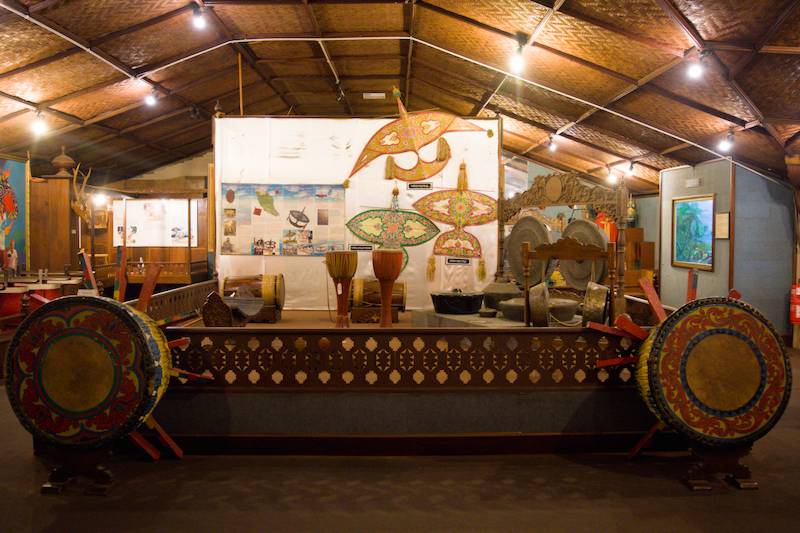
The first floor featured wayang kulit, panels explaining the history of Kelantan, and displays of local craftsmanship and traditional artifacts.
The museum provided a useful introduction to Kelantan’s history and heritage. It was also a welcome indoor stop during the hottest part of the day.
War Museum (Muzium Perang)
Our next stop was the War Museum, just a short drive from the state museum.
Built in 1912, the building was originally designed for the Mercantile Bank of India. It is recognized as the first commercial stone building constructed in Kelantan.
Locals nicknamed it Bank Kerapu because of its rough-cast plaster exterior, which resembles the skin of a grouper fish, known locally as ikan kerapu.
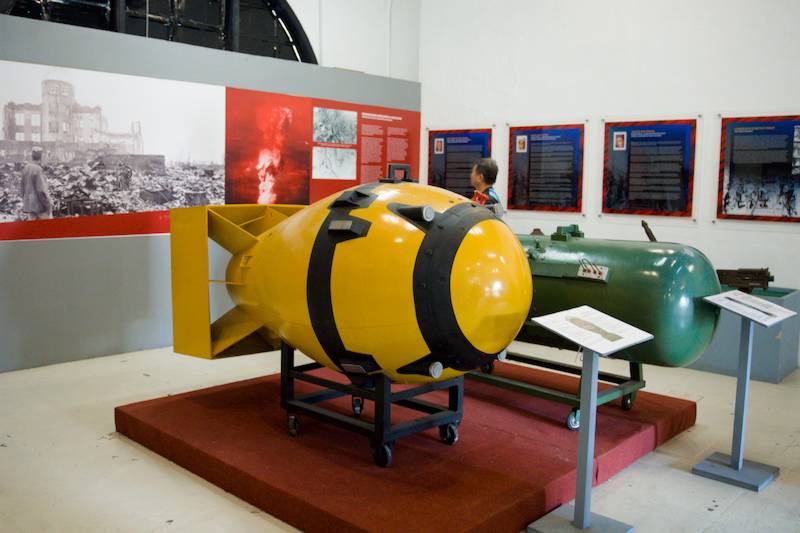
Today, the building serves as a museum documenting wartime history, particularly events surrounding World War II in Malaysia between 1941 and 1945.
Thjere are various historical artifacts, photographs, and documentary displays that helped tell the story of the war and its impact on the region.
There were also replicas of the two atomic bombs, Little Boy and Fat Man, which were dropped on Japan toward the end of World War II.
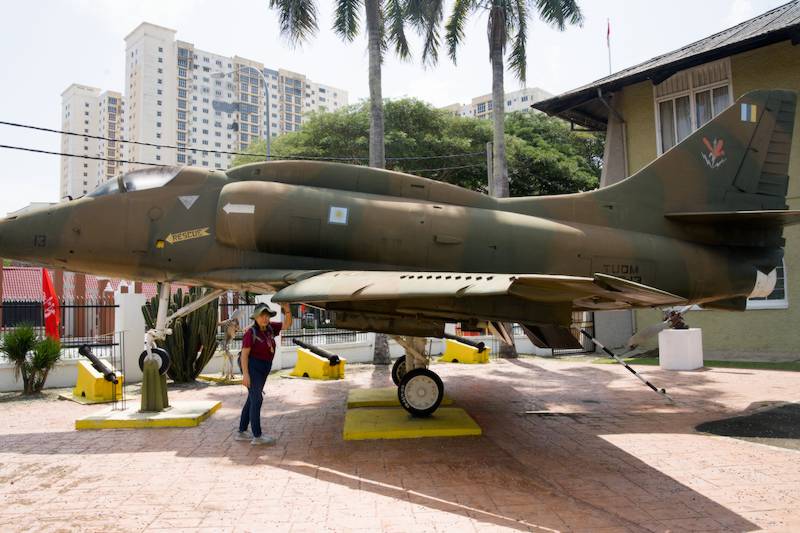
The courtyard featured an exhibition of military equipment.
Kampung Kraftangan: Shopping for Local Crafts and Souvenirs
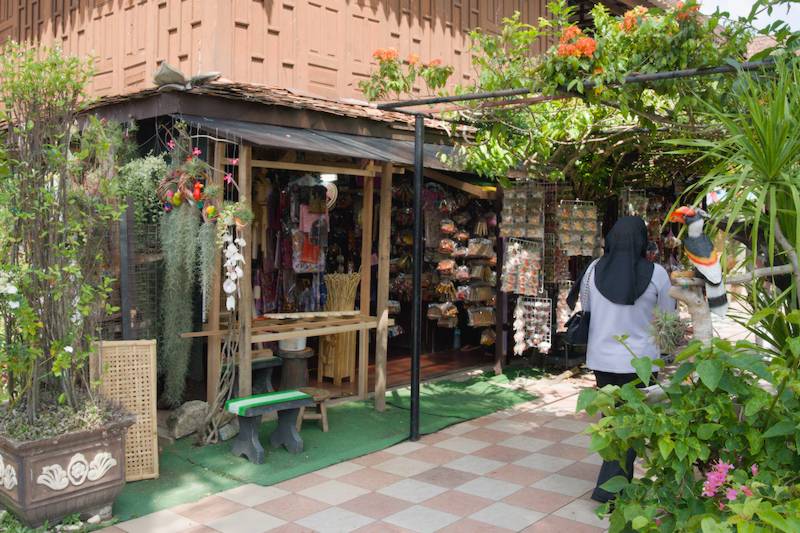
We stopped at Kampung Kraftangan, a local craft center where visitors can browse traditional handicrafts and purchase souvenirs.
I always enjoy looking at local crafts when traveling. This was a convenient place to look for something to bring home from Kelantan.
Istana Batu: A Glimpse into Royal Life
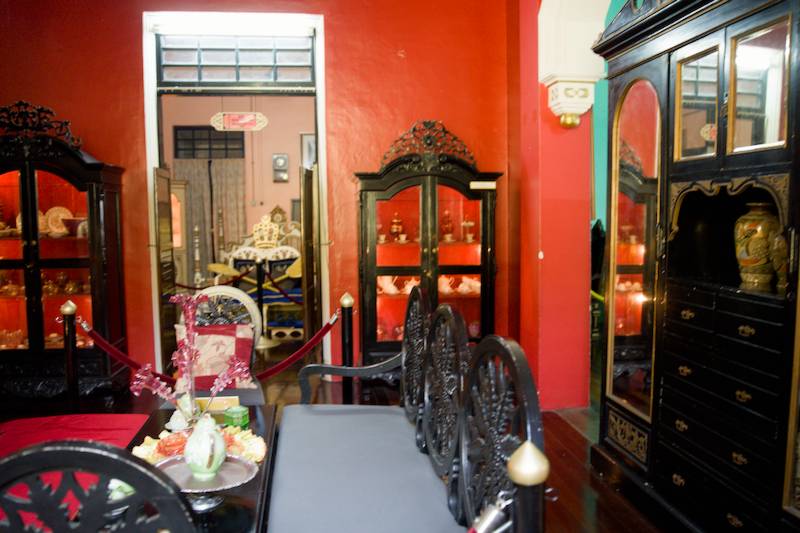
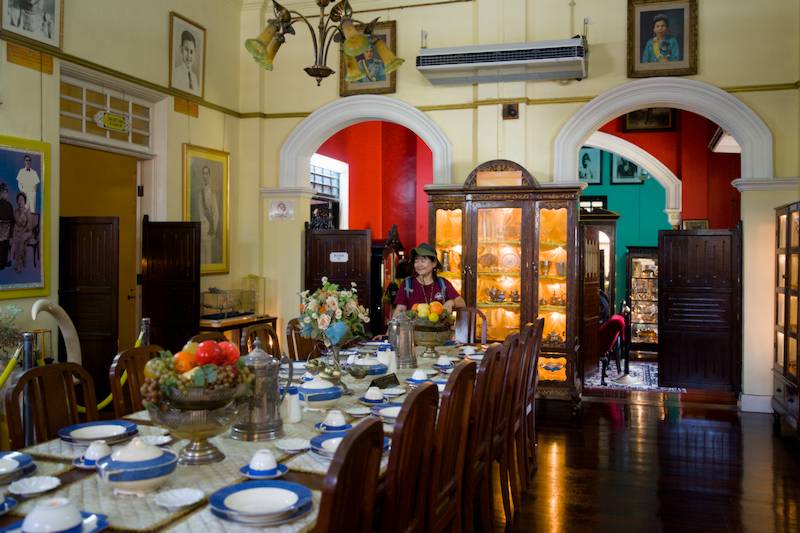
Next, we visited Istana Batu, just opposite Kampung Kraftangan. It is a former royal palace that now serves as a museum showcasing the lifestyle of Kelantan’s royal family.
The museum gives visitors a glimpse into the royal living quarters, including family rooms and private chambers. There are also displays of personal belongings, royal wardrobes, ceremonial attire, and other items associated with life in the palace.
Istana Jahar: Traditional Wedding Customs and Royal Heritage
Our next stop was Istana Jahar, another former royal palace converted into a museum. It is just a minute’s walk from Istana Batu.
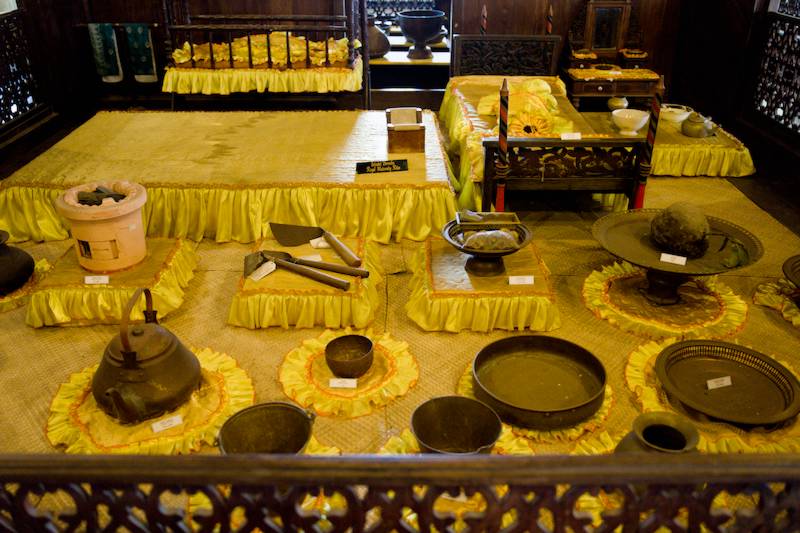
The museum focuses on Kelantanese customs and traditions, particularly those associated with birth, childhood, and marriage.
There are displays featuring traditional wedding customs, bridal chambers, wedding attire, and other aspects of local cultural heritage.
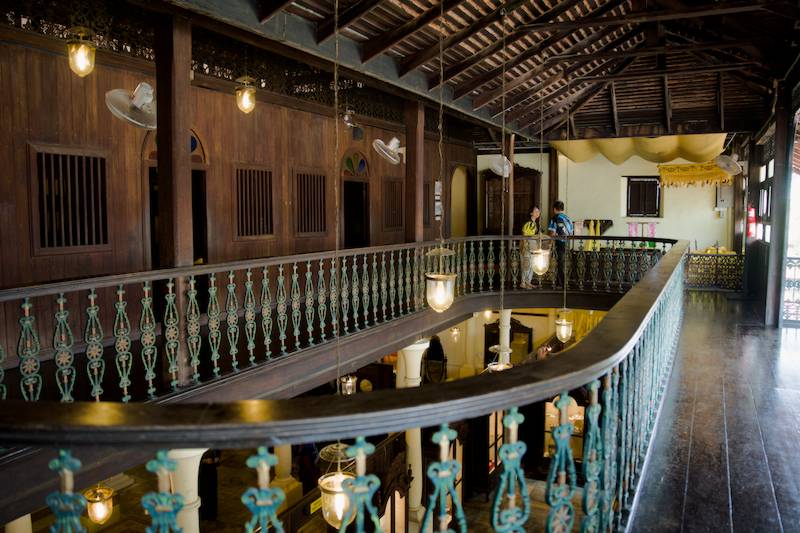
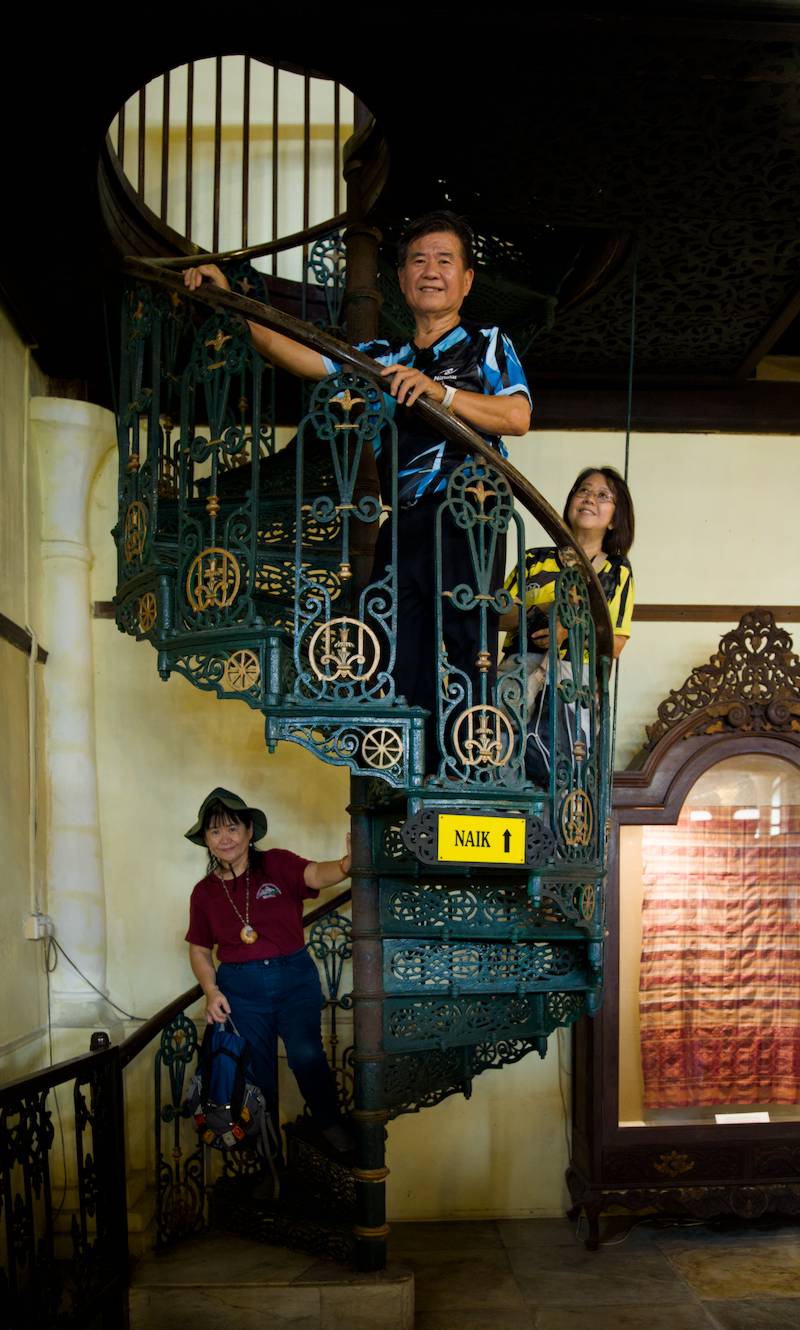
One of the highlights was a beautiful spiral staircase connecting the palace’s two main levels. It was crafted from rich local timber by skilled Kelantanese woodcarvers.
Dataran Cheng Ho: Chinese Food for Dinner
After a full day of sightseeing, it was time for dinner.
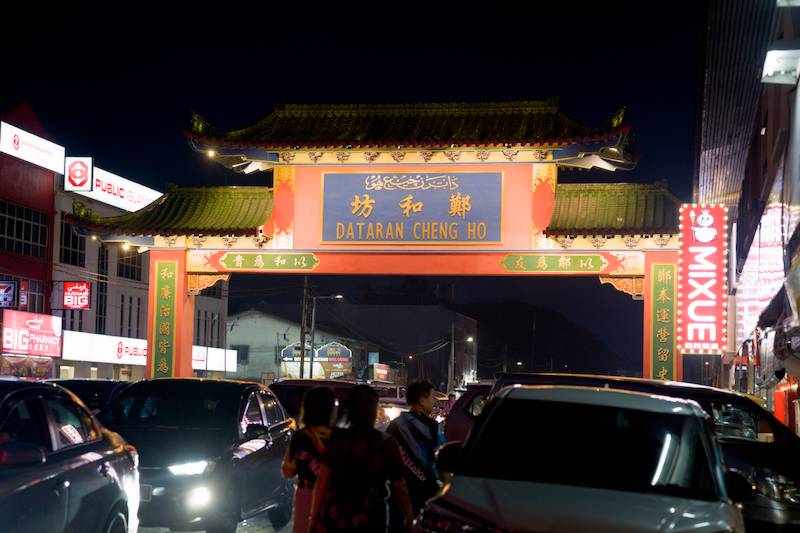
We headed to Dataran Cheng Ho (Cheng Ho Square), where we had Chinese food at Kim Leong Restaurant.
The Chinese community makes up a relatively small proportion of Kota Bharu’s population, so finding Chinese food is something visitors may want to plan for if they’re looking for a particular type of meal.
It’s not a huge Chinatown, but the area still has a lively atmosphere, with people coming and going and several restaurants nearby.
We chose one of the restaurants and enjoyed a good meal before calling it a day.
Day 2: Exploring Tumpat and Its Thai Buddhist Temples
Our second day was a completely different experience. We drove to Tumpat, a town about 40 minutes away from Kota Bharu.
Located near the Thai border, Tumpat has strong Thai cultural influences. One of its most distinctive features is the number of Buddhist temples in the surrounding area.
Kopitiam Kita: Starting the Day with Roti Titab
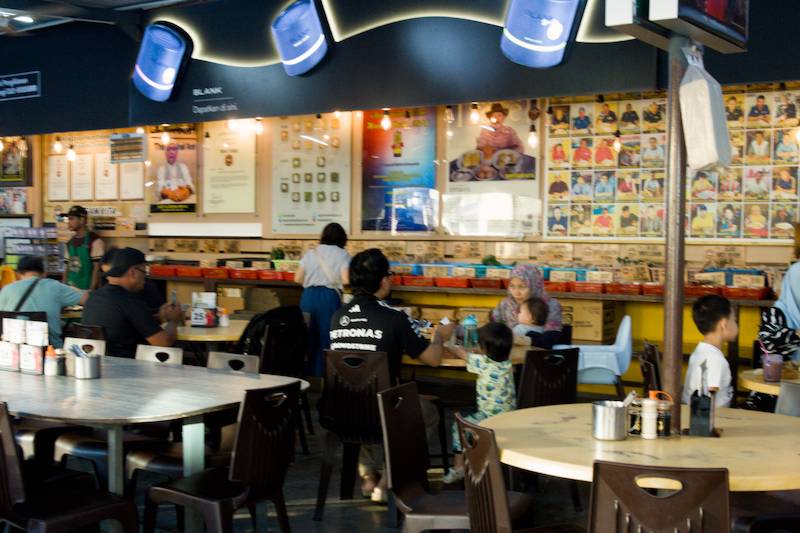
We began the morning at Kopitiam Kita, a well-known local coffee shop in Kota Bharu famous for its Roti Titab.
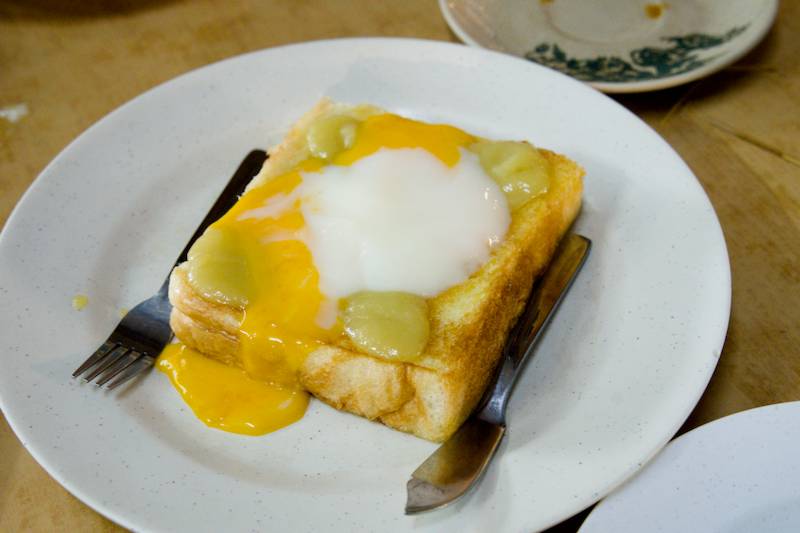
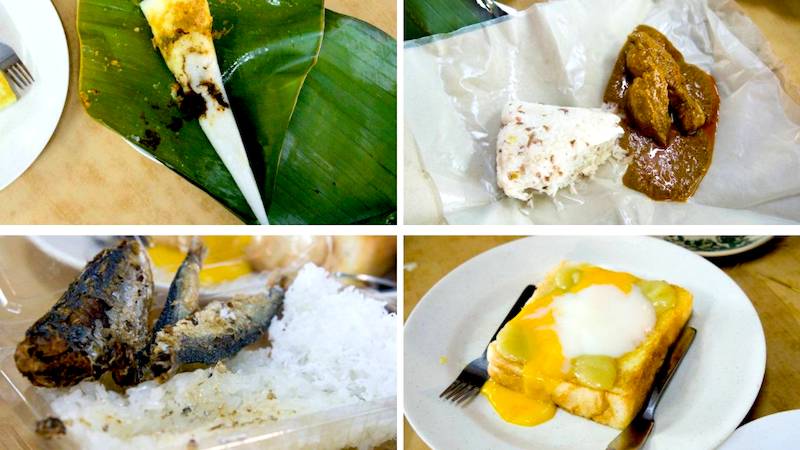
This iconic breakfast dish was created here and has become one of the shop’s signature offerings. It consists of a thick slice of toasted bread spread with kaya and butter. A soft-boiled egg sits in the middle, with more kaya placed around the four corners of the toast.
Besides Roti Titab, the coffee shop is also known for nasi tumpang and nasi dagang. Nasi tumpang is a traditional Kelantanese rice dish in which layers of rice and various fillings are packed into a cone shape using banana leaves.
Nasi dagang, meanwhile, is a popular rice dish made with glutinous rice. It’s commonly served with gulai, or curry, featuring fish or chicken.
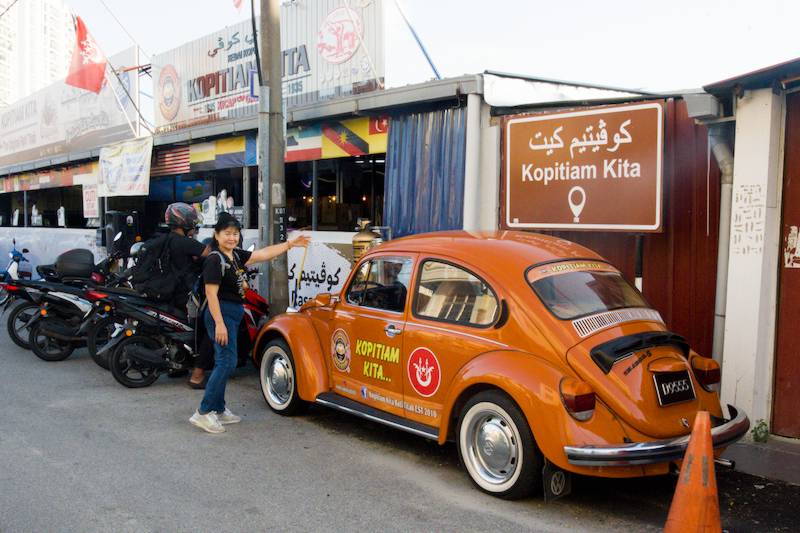
The coffee shop is also easy to recognize, with its own Volkswagen Beetle parked right in front.
The atmosphere was lively, and as we were leaving, someone was busking just outside the entrance. It added a cheerful touch to the morning coffee scene.
It was a pleasant way to start our day before driving to Tumpat.
Exploring the Four Beautiful Thai Buddhist Temples in Tumpat
Wat Phothivihan: Visiting the Sleeping Buddha
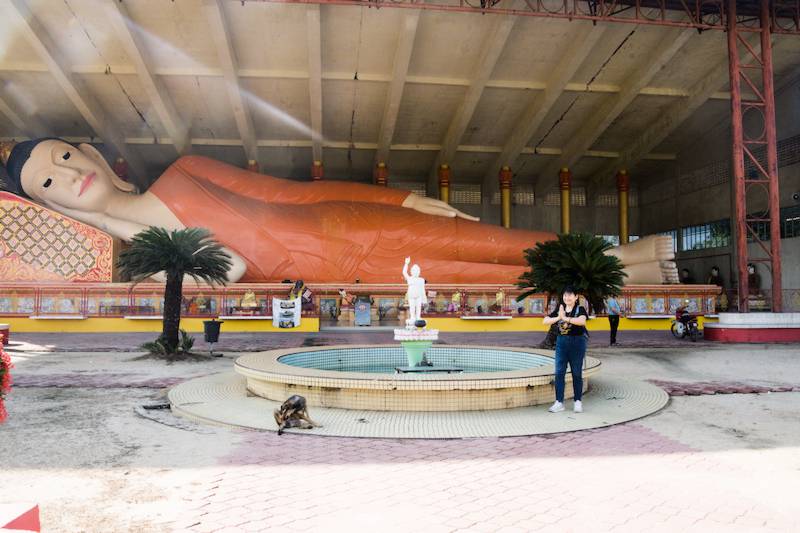
Our first temple visit was Wat Phothivihan, a Buddhist temple famous for its enormous reclining Buddha.
The statue measures approximately 40 meters long, making it one of the most impressive religious attractions in the area.
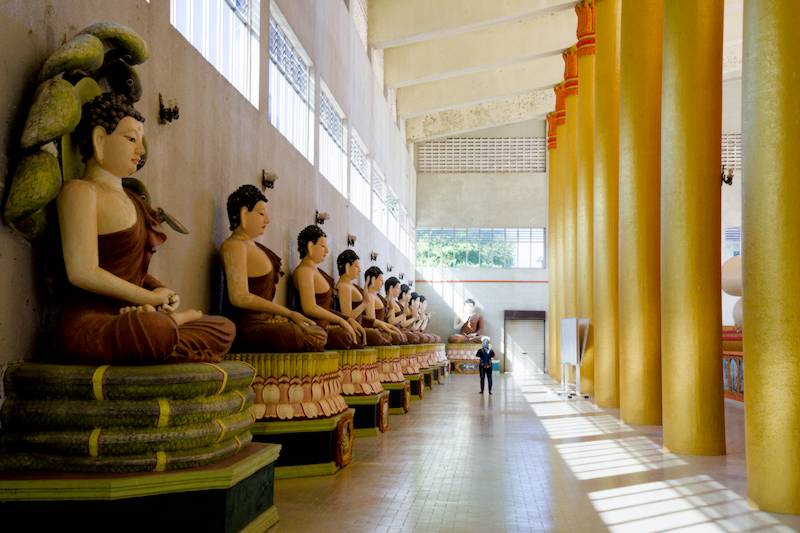
Behind the Buddha statue is another row of Buddha statues. I particularly enjoyed walking through the peaceful corridor lined with Buddha statues. The calm atmosphere was a welcome contrast to the busy streets and lively coffee shop we had visited earlier.
Wat Machimaram: An Impressive Giant Buddha
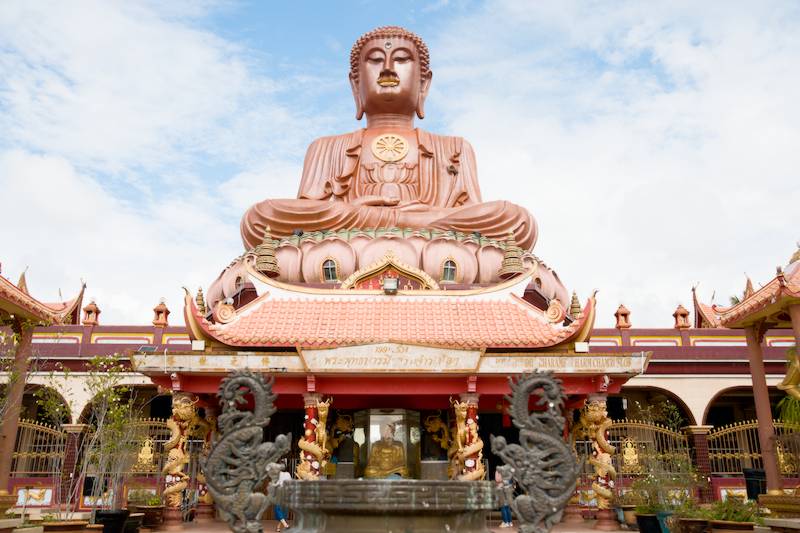
We then drove to Wat Machimaram, another well-known Buddhist temple in Tumpat.
The temple is famous for its enormous seated Buddha statue, which dominates the surrounding landscape.
Wat Mai Suwankiri: The Dragon Temple
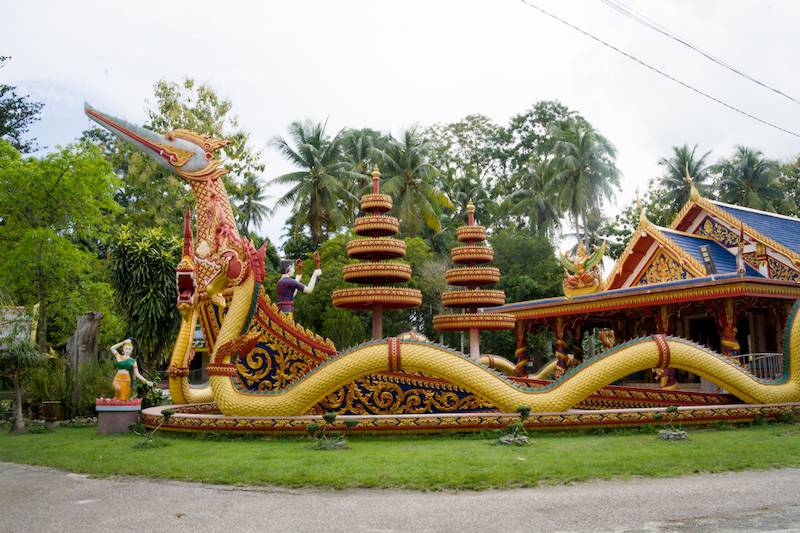
Our next destination was Wat Mai Suwankiri.
The temple’s most striking feature is its enormous dragon-shaped structure, designed to resemble a mythical dragon boat. The architecture combines traditional Thai Buddhist artistic elements with vibrant colors and elaborate decorative details.
Among the temples we visited in Tumpat, this one stood out for its distinctive design. Rather than being impressed by the size of a Buddha statue alone, here we were drawn to the creativity and craftsmanship of the entire structure.
Wat Phikulthong Vararam: A Towering Standing Buddha
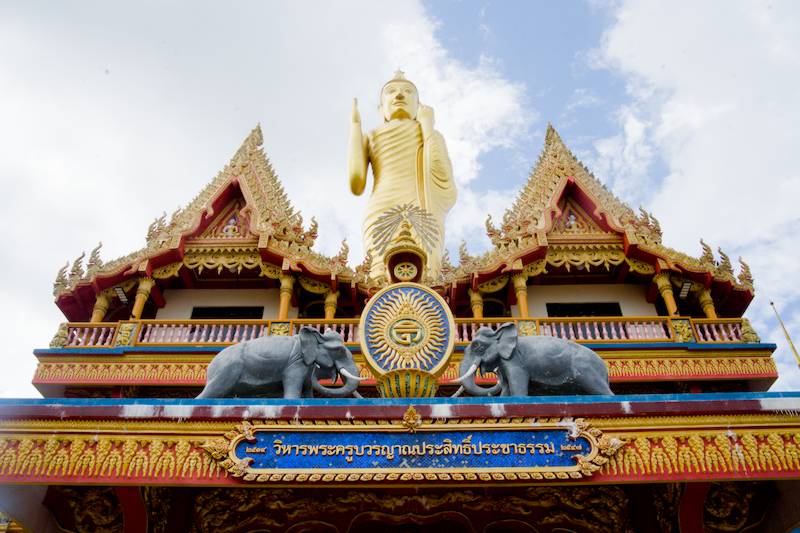
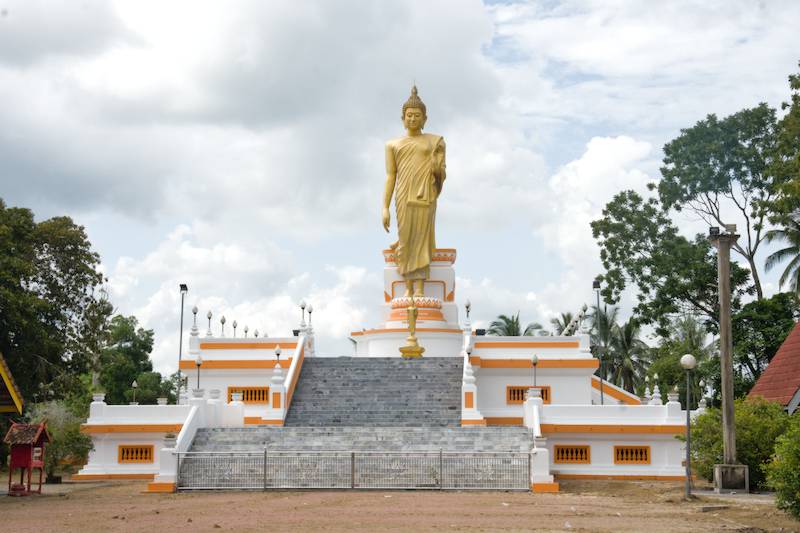
Our final temple visit was Wat Phikulthong Vararam, known for its towering standing Buddha statue.
The enormous figure, which stands approximately 60 meters tall, rises above the surrounding area and is an impressive sight from a distance.
Floating Market Sri Tanjung Tumpat (Pasar Terapung Pulau Sri Tanjung)
Before lunch, we headed to the floating market at Sri Tanjung.
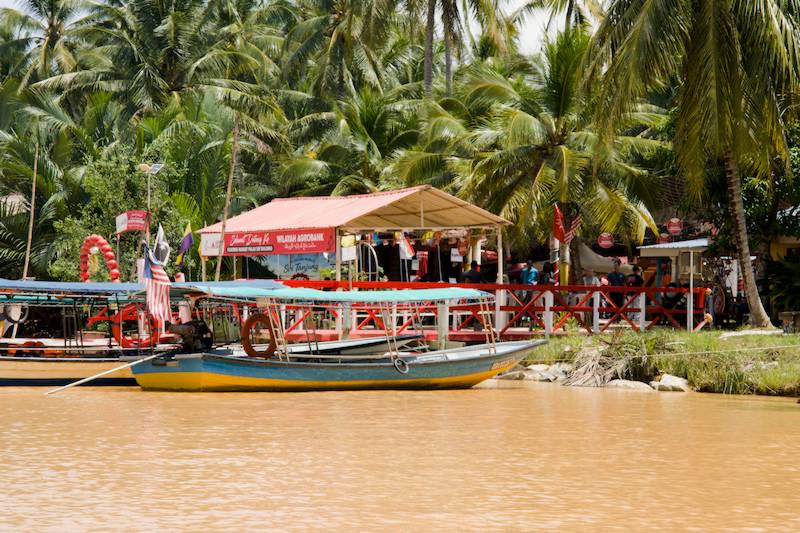
The market is located on an island along one of the many branches of the Kelantan River. To get there, we drove to the jetty, purchased our round-trip boat tickets, and boarded a motorboat.
The ride took approximately 10 to 15 minutes before we reached the market.
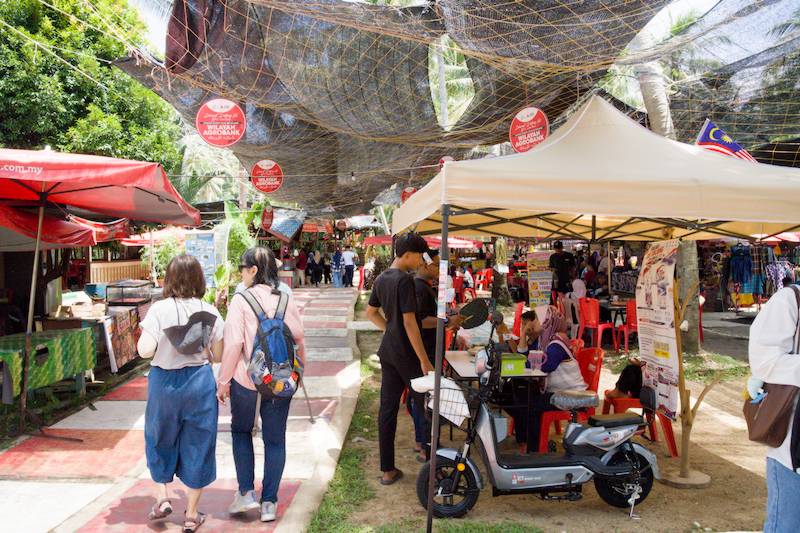
Once we arrived, the atmosphere felt more like a carnival than an ordinary market. Vendors were selling a variety of goods, including local dishes, snacks, souvenirs, and clothing.
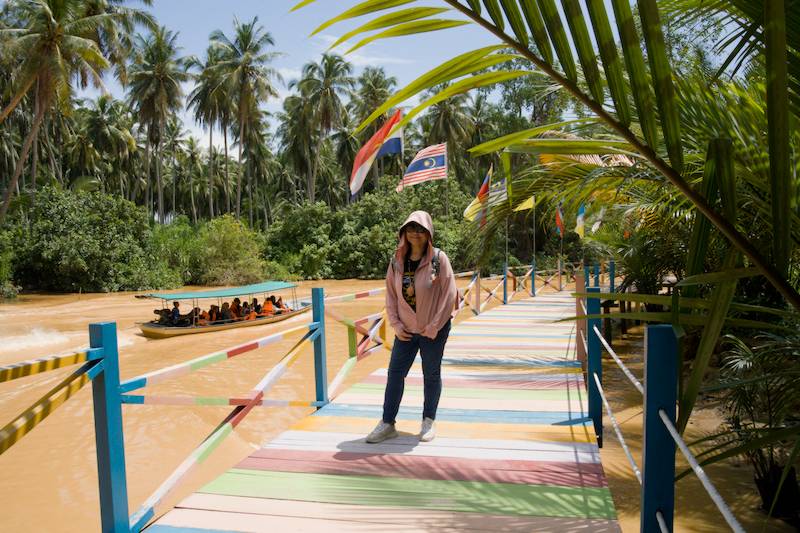
The riverside setting also provided opportunities to take photographs, with boats and the river adding to the scenery.
We spent some time wandering around, looking at what the vendors had to offer and enjoying the relaxed atmosphere.
Pantai Sri Tujuh: A Quick Look at the Beach
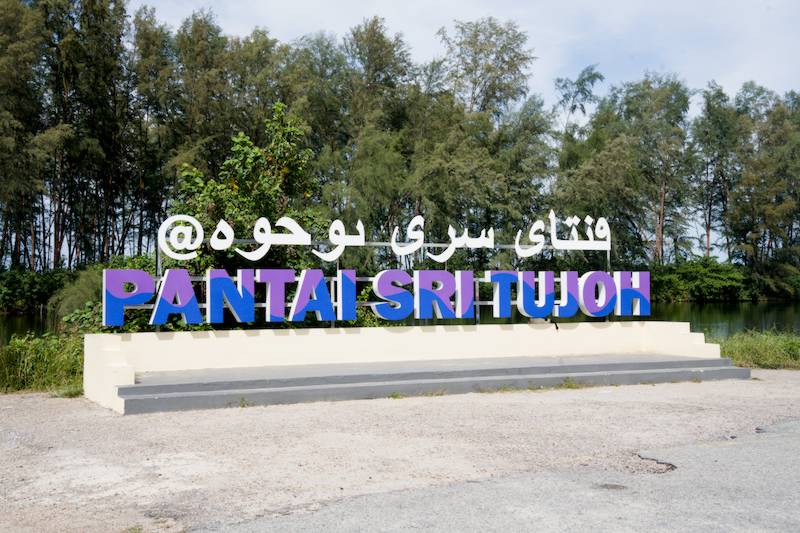
We had hoped to see a typical sandy beach, but when we arrived, the landscape looked more like a lagoon than an open stretch of beach.
The sun was also very strong, and by then we were getting hungry and looking forward to a proper meal.
Rather than spending too much time there, we decided to move on.
Warisan Nasi Kukus: A Relaxed Local Lunch
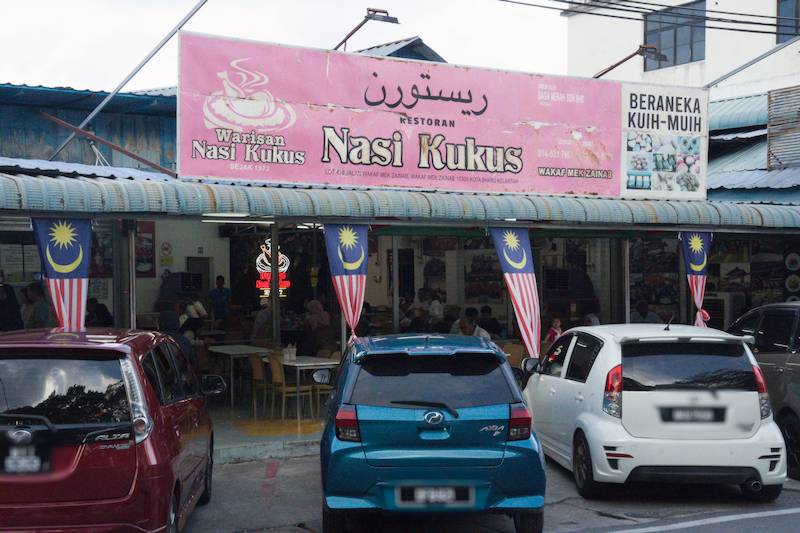
For lunch, we headed to Warisan Nasi Kukus, a restaurant in Kota Bharu recommended by my friend.
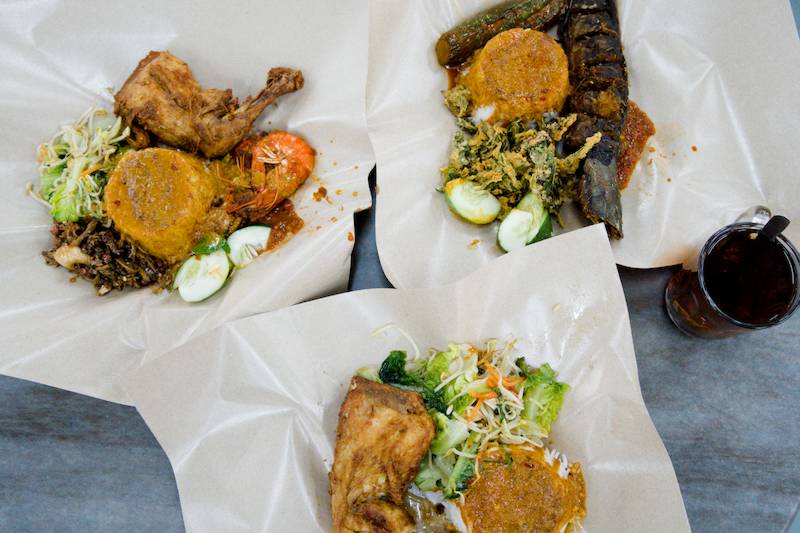
The restaurant offered a wide selection of dishes, including fish, meat, and vegetables. There were plenty of choices, and not everything was curry-based, so it was easy to find different combinations to suit our tastes.
The prices were reasonable, and the food was presented nicely.
Day 3: Hiking Bukit Gua Kambing
A Challenging Jungle Hike in Kelantan
The main event on our third day was a hike at Bukit Gua Kambing.
We have a separate article covering our hiking experience, so I’ll share some highlights here rather than go through every detail of the trail.
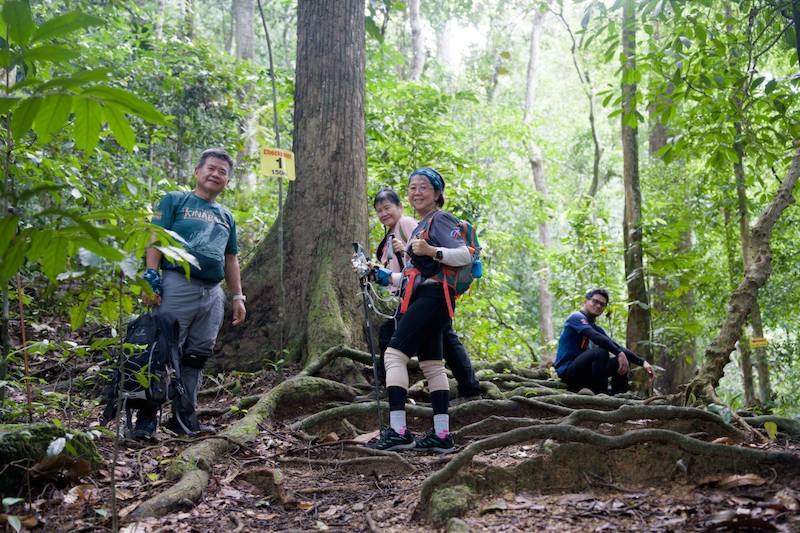
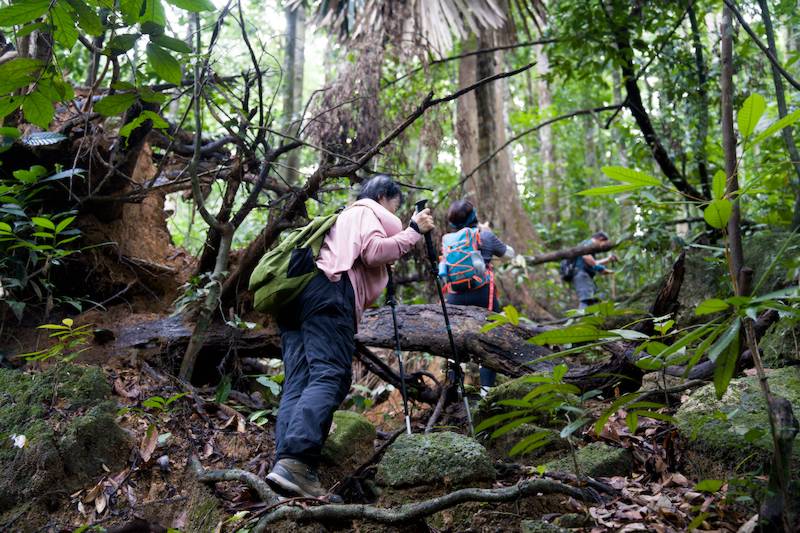
Once we entered the forest, we quickly realized that this was going to be a challenging walk.
Unlike some hiking trails that alternate between steep climbs and relatively flat sections, this trail seemed to go uphill almost continuously. There was very little flat ground where we could catch our breath and walk comfortably.
Much of the route passed through dense forest, with tree roots crisscrossing the ground and large boulders scattered along the trail.
Reaching the Cave at the Summit
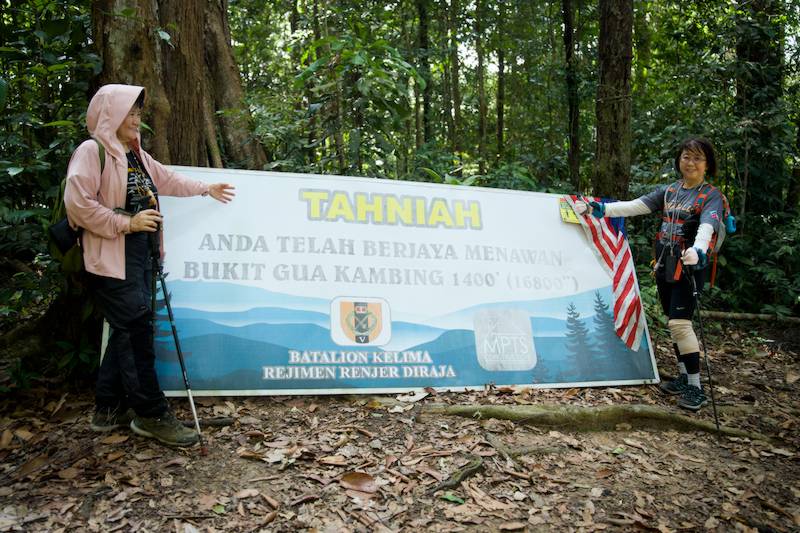
At the top, we reached Gua Kambing, which is essentially a shallow overhang cave rather than a deep cavern.
The cave itself wasn’t particularly large, and the summit didn’t offer an exceptionally panoramic view. However, the most rewarding part of the hike was completing the climb.
The trail was tough, with steep sections, slippery ground, and plenty of obstacles along the way. Reaching the top gave us a real sense of satisfaction.
After spending some time at the top, we began our descent. Along the way, we passed a waterfall called Lupuk Lesung before returning to the trailhead.
Satay Malaysia: A Relaxing Dinner After the Hike
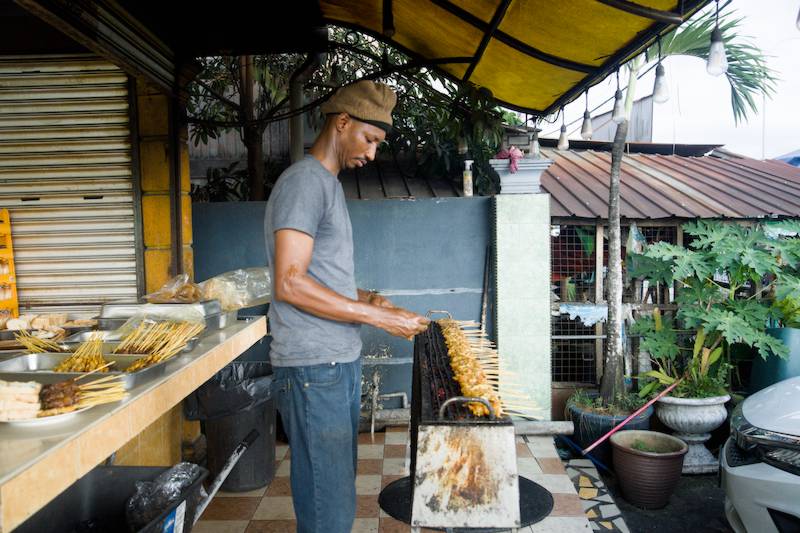
We chose Satay Malaysia, a restaurant with a pleasant atmosphere and an open seating area, for dinner.
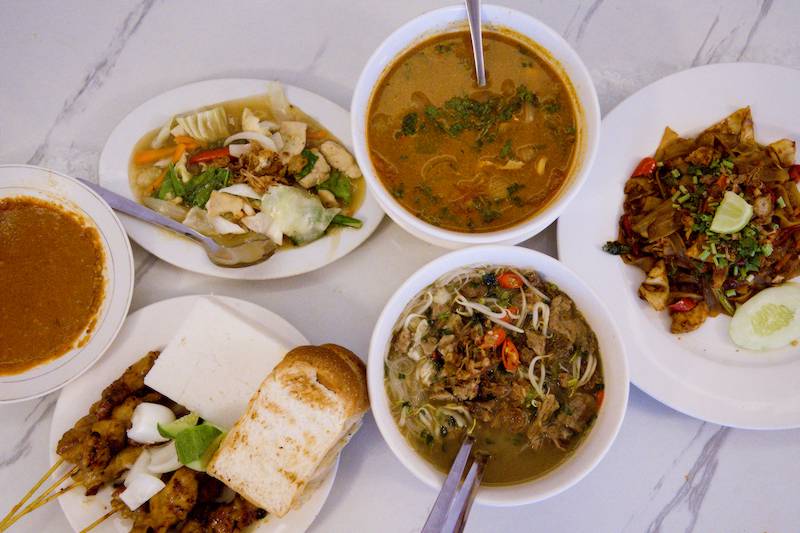
We started with satay, but after enjoying the first round, we added beef noodles, grilled chicken, and toast to our meal.
The toast was particularly flavorful when dipped into the satay’s peanut sauce. It was a simple combination, but one we thoroughly enjoyed.
The restaurant was also a comfortable place to relax after the hike. By then, we were tired from the climb and happy to sit down, enjoy our food, and take things easy.
Day 4: Visiting Kota Bharu’s Famous Market Before Flying Home
Our fourth day was also our departure day. We had a little time in the morning to visit one final attraction before heading to the airport.
Pasar Besar Siti Khadijah
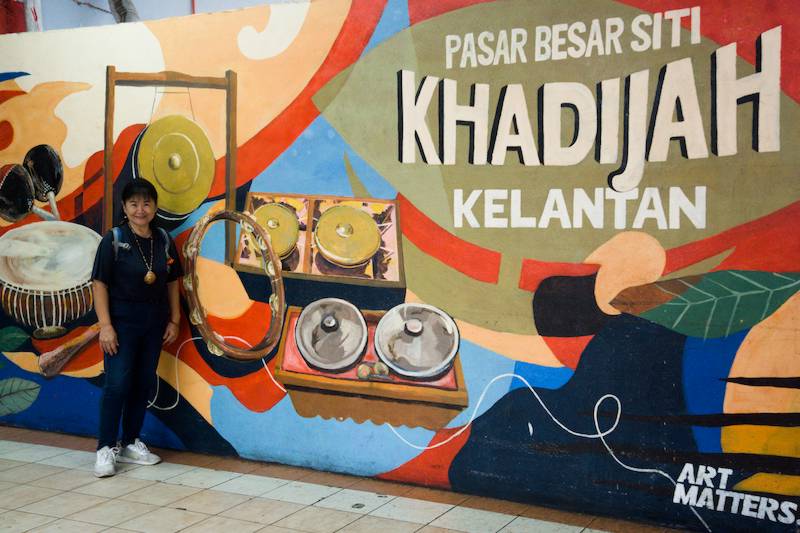
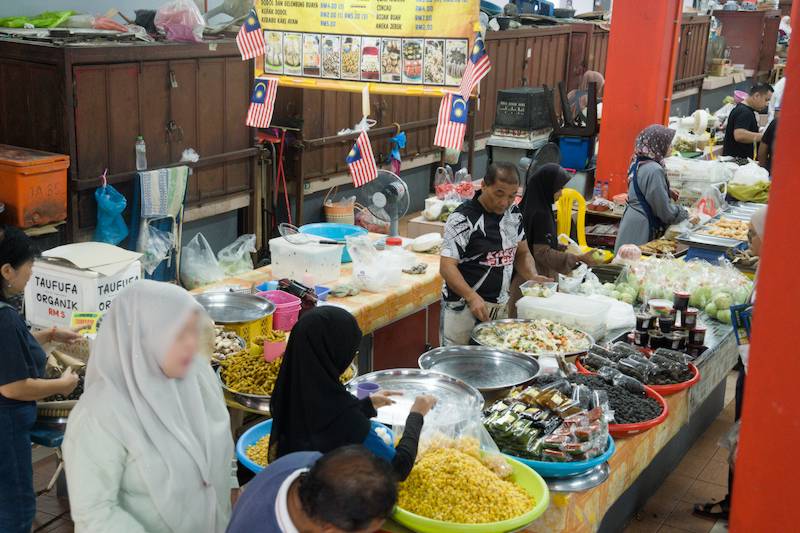
People often say that a visit to Kota Bharu isn’t complete without stopping at Pasar Besar Siti Khadijah, also known as the Siti Khadijah Market.
The market opens early because it serves the needs of local residents who come to buy everyday essentials, including vegetables, meat, and other food items.
On the ground floor is the wet market, where vendors sell fresh produce, meat, and other ingredients. Other sections offer local delicacies, including traditional sweets and desserts.
There is a food court on the first floor offering local dishes and hawker-style food. Other stalls sell clothing, souvenirs, trinkets, and various everyday items.
From the upper levels, we could look down into the market below and see the activity unfolding across the different floors. The view was particularly attractive, with the circular design creating a distinctive perspective.
The Siti Khadijah Market was a worthwhile final stop on our trip, giving us one last opportunity to experience the local atmosphere and see how residents shop for their daily needs.

Back to Sultan Ismail Petra Airport
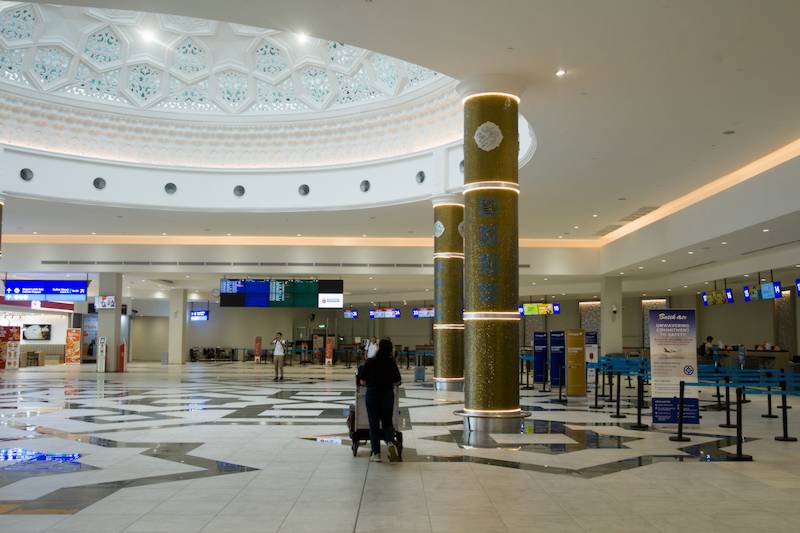
After visiting the market, we headed back to the hotel, where we had already checked out, and then drove straight to the airport.
Sultan Ismail Petra Airport made quite an impression on us. Its modern design and spacious appearance gave it the feel of a much larger international airport, almost like a five-star hotel compared with some of the more modest airports we’re used to seeing.
And with that, our four-day visit to Kota Bharu and Tumpat came to an end.
I hope you’ve enjoyed following our four-day adventure in Kelantan. If you’re planning a visit to Kota Bharu and Tumpat, perhaps some of our experiences will give you a few ideas for your own itinerary.
Thanks for joining us, and I’ll see you again on our next adventure!
🎬Watch our video
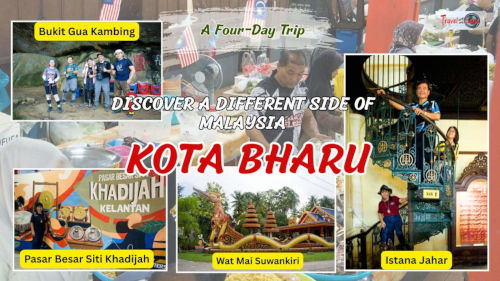
We’ve put together a video from this trip, which you can watch on YouTube by clicking the image below.