
We just returned from our Bhutan trip yesterday, and I could not wait to sit down and write about our hike to the legendary Tiger’s Nest Monastery.
For years, we had heard about it. A sacred pilgrimage site for Bhutanese Buddhists. A monastery built into a cave on a sheer cliff. A place wrapped in mystical legends. A structure that seems to defy gravity. A destination where you do not just hike, but step into Bhutanese spirituality and culture.
And finally, here we were, standing at the trailhead with our tour group at 7:30 in the morning, ready to begin.

That early start meant waking up before 5:00 am, having breakfast at Le Méridien Paro, and taking a 35-minute bus ride to the base of the mountain. The monastery can only be reached on foot, so every visitor begins from the same parking lot at the bottom.

If you are planning your Bhutan trip, you can see how this hike fits into our full journey in our Bhutan Travel Guide.
Hiking to Tiger’s Nest Monastery
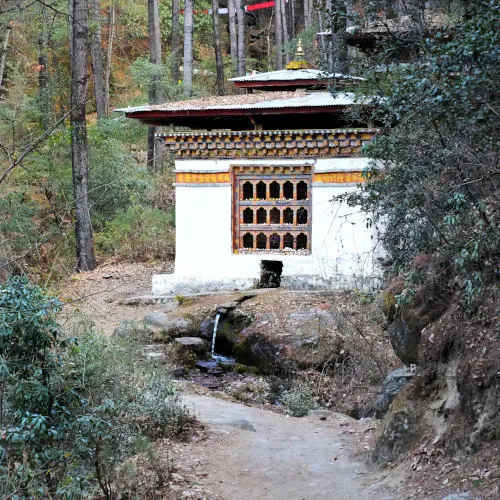
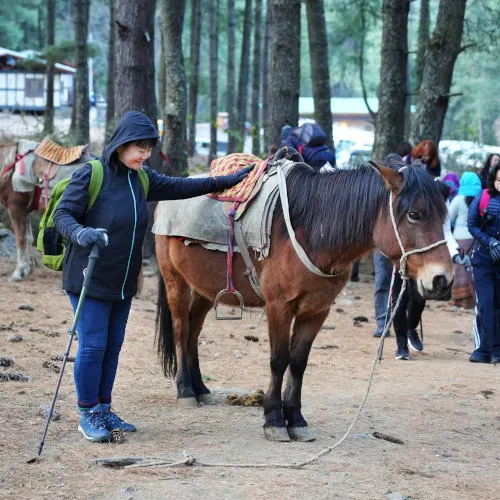
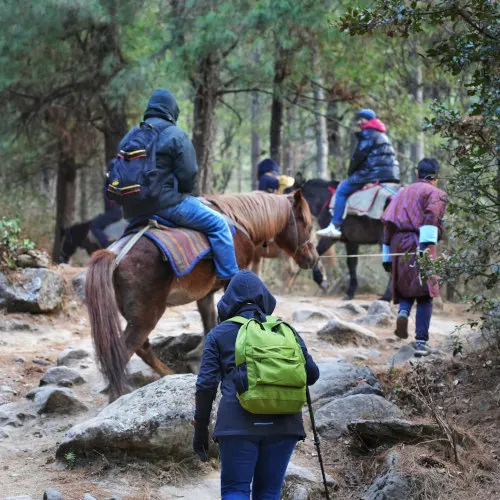
Our guide handed out trekking poles and offered mule or horse rides for those who preferred not to hike the entire way uphill. The animals can take you up to the halfway point, but no further.
Before starting, we strongly recommend using the restroom at the parking area. The next restroom is only available at the halfway point inside the cafeteria.
The round-trip hike usually takes four to five hours, plus about one hour inside the monastery. We took it slowly and completed the entire experience, including the visit, in about six hours.
Although we had taken altitude medication as a precaution, we were careful not to overexert ourselves.
Why We Chose Not to Ride a Horse
We decided to hike the entire way for several reasons.
First, we saw this as preparation for our upcoming Mount Kinabalu climb. Second, horses only go halfway. After that, the terrain becomes too steep and narrow for them to continue safely. Finally, riding can actually feel uncomfortable if you are not used to it.
The trail itself is wide and well maintained. In some sections, there are separate paths for hikers and mules. Most areas have steps, making the climb manageable.
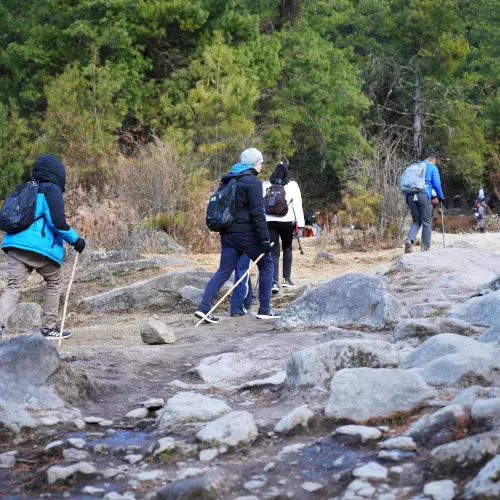
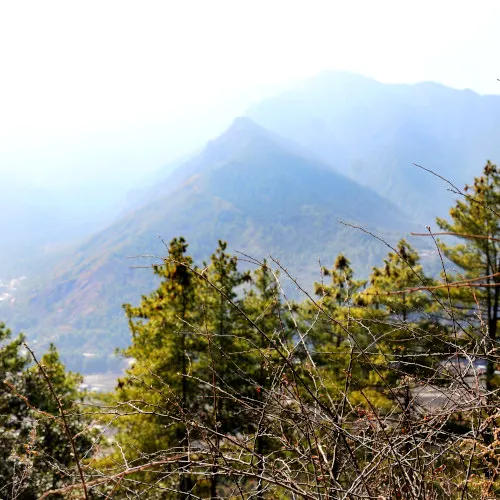
However, the trail runs along a cliff in several places, so you must walk carefully. The reward is spectacular views of Paro Valley and the surrounding mountains.
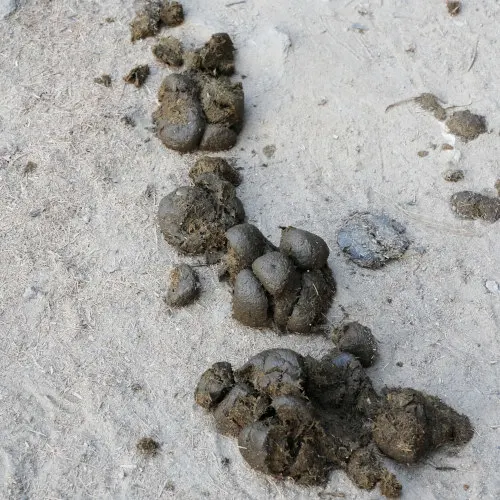
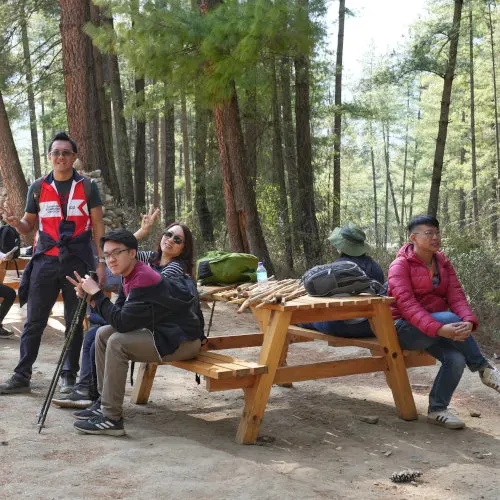
It took us about one and a half hours to reach the halfway point at the cafeteria. We stopped often for photos and short breaks. And yes, watch out for horse dung along the trail.
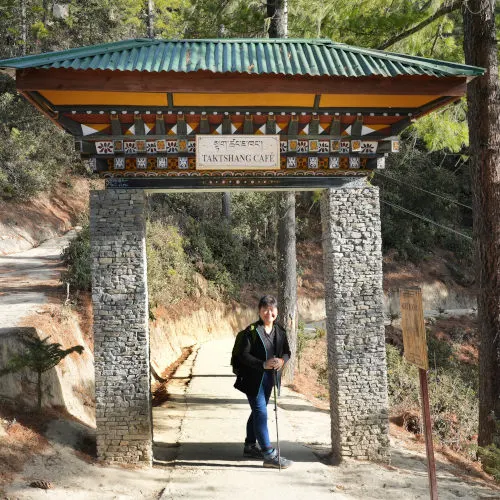
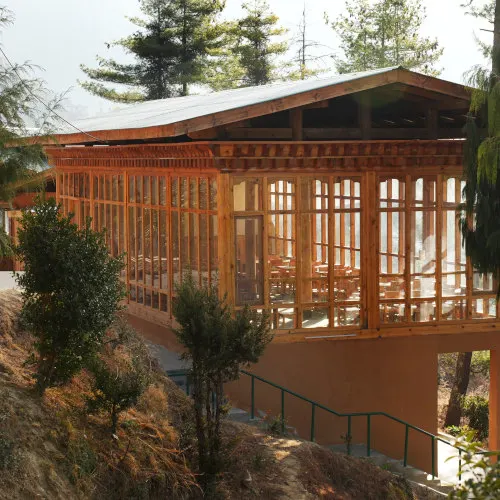
The Taktsang Cafeteria at the Midpoint

The trail levels out at the halfway point, where the Taktsang Cafeteria is located.
Here, you can rest, have a drink or snack, and use the restroom. There is both indoor seating and an outdoor viewing platform. From this vantage point, you get your first clear view of Tiger’s Nest Monastery clinging dramatically to the cliff.
We only rested for about fifteen minutes. It was getting warmer, and we were told that the monastery does not allow visitors to enter after 11:00 am. That is why starting early is important.
After the break, we resumed our hike.
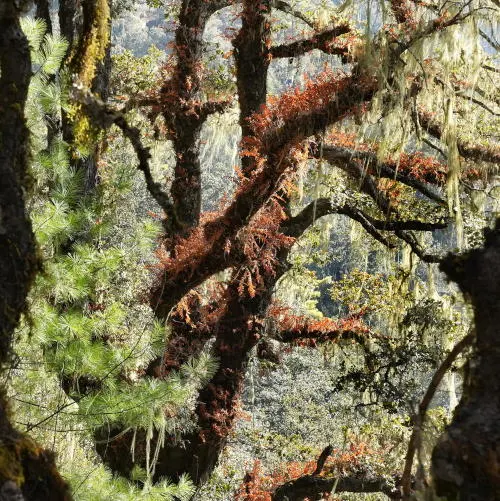
Beyond the cafeteria, the vegetation changes noticeably. Pine trees line the path, and colorful prayer flags flutter along the mountainside. With each step upward, the valley views become even more impressive.

The Final Stretch to Tiger’s Nest
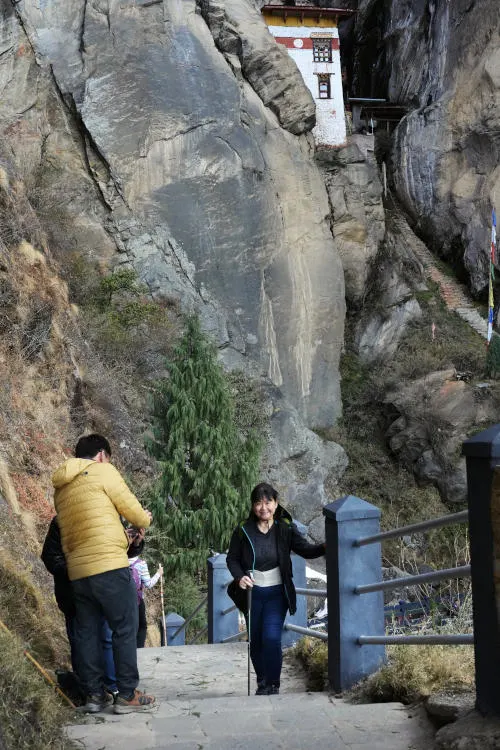
The section after the cafeteria is more challenging.
There are fewer constructed steps and more natural rocky paths. Some stretches are steep. From the cafeteria, it took us another forty-five minutes to reach the monastery area.
About twenty minutes before arrival, we reached well-built stone steps and several viewing platforms where we stopped to admire the monastery from different angles.
The final approach requires climbing several hundred steps, then descending a few hundred steps to cross a bridge over a small waterfall. After crossing, you must climb again before reaching the entrance.

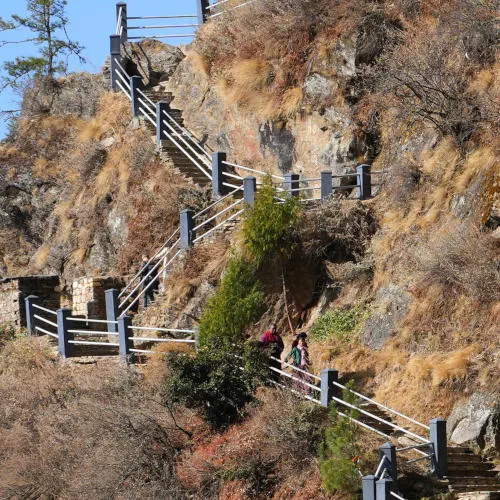
With thinner air and a faster heartbeat, this final push felt demanding but deeply satisfying.
Visiting Tiger’s Nest Monastery
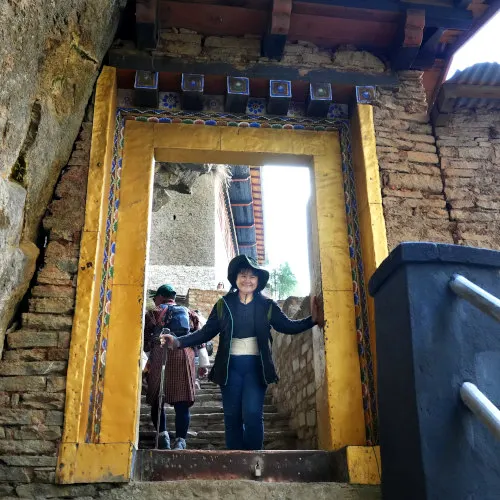
When we reached the monastery, security personnel instructed us to leave our backpacks, cameras, mobile phones, and shoes outside. Photography inside is strictly prohibited.
Tiger’s Nest Monastery, also known as Paro Taktsang, sits at about 3,120 meters above sea level, perched dramatically on the edge of a cliff.
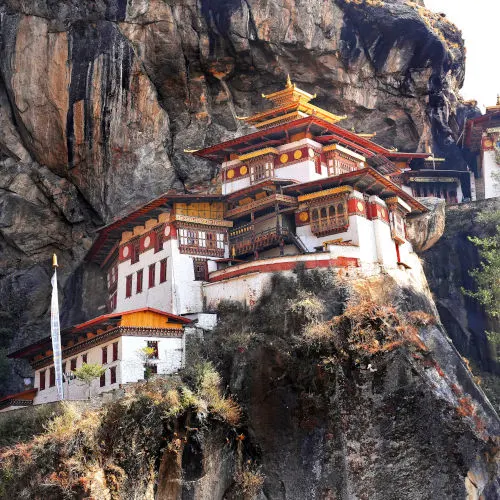
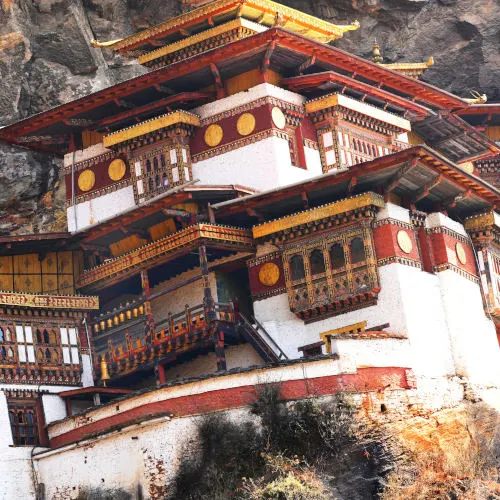
Inside, we visited several Lhakhangs within the complex. We lit butter lamps for prayers. A small lamp costs 50 ngultrum, and a larger one costs 100 ngultrum.
The interior feels sacred and intimate. Without being told, everyone naturally lowers their voice.
We spent about an hour exploring before beginning our descent. There are no mule services for going down, so everyone must walk back on foot.
The Legend of Tiger’s Nest
Tiger’s Nest is not just a hiking destination. It is one of the most sacred sites in Bhutan.
According to legend, Guru Rinpoche, also known as Guru Padmasambhava and regarded as the Second Buddha, meditated in Eastern Bhutan and envisioned this very cave. He manifested as Guru Dorje Drolö, and his spiritual consort Yeshi Tshogyal transformed into a tigress.
Riding on the back of the tigress, he flew from Singye Dzong in Eastern Bhutan to Taktsang.
At that time, local deities and Bon practitioners dominated the region. Guru Rinpoche meditated in the Taktsang Senge Samdup cave for three months, subduing local spirits and converting them to Buddhism.
That is why Taktsang means Tiger’s Lair. Tak means tiger, and tshang means lair.
For Bhutanese people, this is a pilgrimage site, not merely a hike.
A Brief History of Paro Taktsang (Tiger Nest)
The temple dates back to the eighth century when Guru Padmasambhava meditated in the cave.
The current structure was built in 1693 under Zhabdrung Ngawang Namgyal, the unifier of Bhutan.
In 1998, a devastating fire destroyed much of the wooden structure, carvings, and murals. Restoration was completed in 2005, which is the structure visitors see today.
If you are interested in learning more about Bhutan’s spiritual heritage, you may also enjoy our posts on Buddha Point in Thimphu and Chimi Lhakhang in Punakha.
Watch our video shot during our trip to the Tiger's Nest Monastery. 👇👇
If you have read this blog post this far, don't miss out on the video shot during our hike to the Tiger's Nest Monastery. Click the image below to watch on YouTube (shot in high definition!).

Common Questions About Hiking Tiger’s Nest
What should I bring?
Bring water and light snacks. A walking stick or trekking poles are helpful. Wear comfortable shoes, preferably proper hiking shoes. Knee support may help if you have joint concerns.
How long is the hike?
The total distance is about 4 miles or 6.4 kilometers round trip. Most people take between four and six hours.
Will I get altitude sickness?
Some members of our group experienced mild headaches and palpitations due to elevation. We took acetazolamide as a precaution and did not experience symptoms. Always consult your doctor before taking altitude medication.
Am I fit enough to hike Tiger’s Nest?
For seasoned hikers, the trail is manageable. If you do not hike regularly, you may find it challenging but achievable at a slow pace. In our group, an 82-year-old lady successfully hiked halfway to the cafeteria.
Take your time. There is no need to rush.
A Final Reflection
As we descended the mountain, we kept turning back for one last look at the monastery. Perched against the cliff, surrounded by clouds and pine forests, it felt almost unreal.
Tiger’s Nest is not just about reaching the top. It is about the journey, the prayer flags, the thin mountain air, and the sense of stillness that grows stronger with every step.
If you are planning your trip to Bhutan, do not miss this experience. And if you want a complete overview of how to organize your journey, including Thimphu, Punakha, and Paro, visit our comprehensive Bhutan Travel Guide for everything you need to know.
Toong Foo Chan
Monday 6th of February 2023
Amazing pictures, lovely blog and big hearts. Definitely one for the bucket list. Much appreciated for sharing.
kwankp
Tuesday 7th of February 2023
Glad to know you like it. We have a few more articles about our Bhutan trip. We hope you like the rest too :)
Esther
Wednesday 1st of February 2023
Just awesome!
Renuka Devi
Wednesday 1st of February 2023
Informative... while reading I could visualize myself walking the trek too. Beautiful scenery. Magnificent structure. Thank you