
Experience Bhutan through culture, landscapes, and daily life
Bhutan had been on our list for a long time. Over six days, we moved between valleys, towns, and mountain passes, visiting dzongs, temples, and villages, and hiking to places that can only be reached on foot. The journey unfolded gradually, shaped by long drives, quiet walks, and time spent simply observing everyday life.
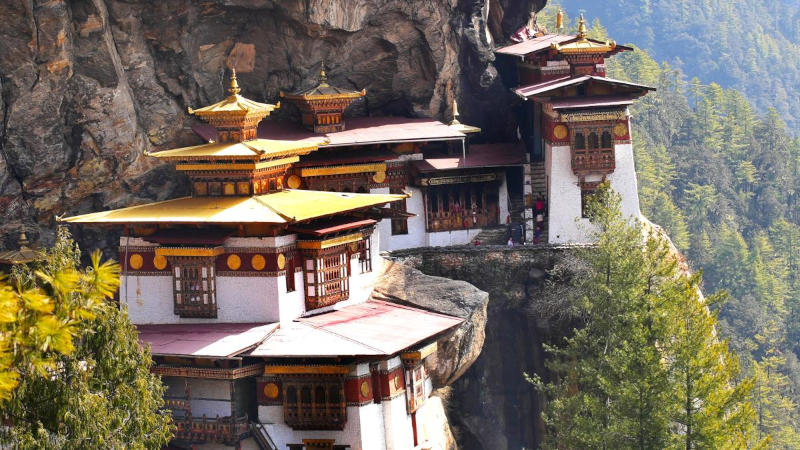
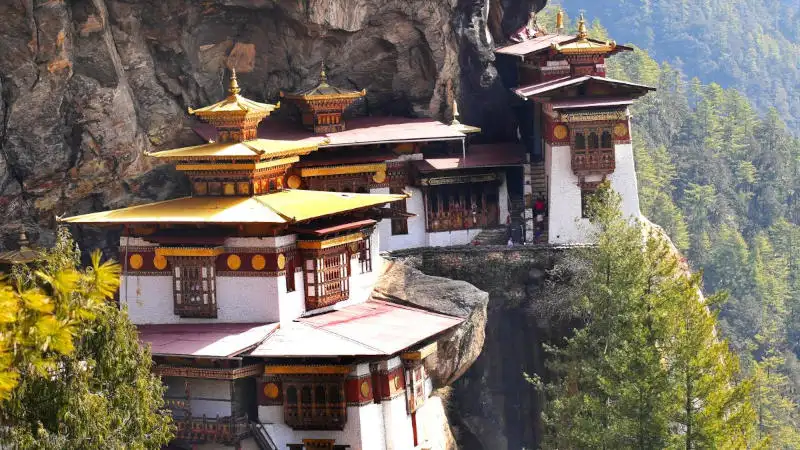
This Bhutan Travel Guide is not meant to list every attraction. Instead, it shares how the journey felt, the pace of travel, the landscapes along the way, and the small details that left the strongest impression.
1. Arriving in Bhutan — First Impressions
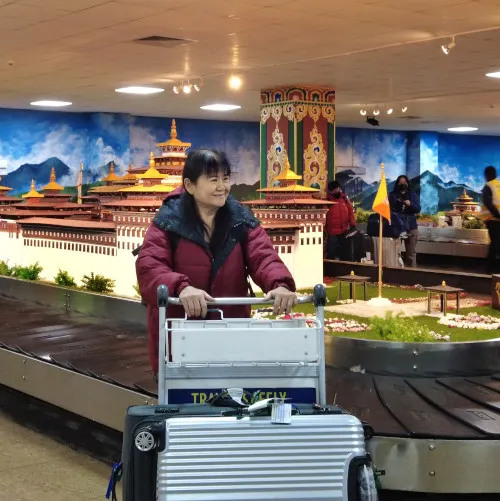
We began our trip to Bhutan with a flight into Paro. The airport sits in a narrow valley, surrounded by mountains on all sides. The landing is unique; the plane flies close to the terrain, making the approach feel a little challenging. From the window, the views are stunning: mountains, forests, rivers, and scattered settlements across the landscape.
Even arriving at the airport gives a sense of how different Bhutan is. The airport itself looks more like a museum than a typical terminal. Traveling here requires planning, as flights, accommodations, transportation, and daily routes are difficult to arrange independently. We chose to travel through a company that handled all arrangements.
A six-day trip covers Bhutan’s main highlights, but it needs careful planning. We started early each day, as travel between locations takes time and some activities require physical effort. This guide reflects what the experience actually feels like, rather than trying to cram everything into a short visit.
👉 Related: Landing at Paro Airport – A Thrilling Experience
2. How Travel in Bhutan Works — Arrival and Planning
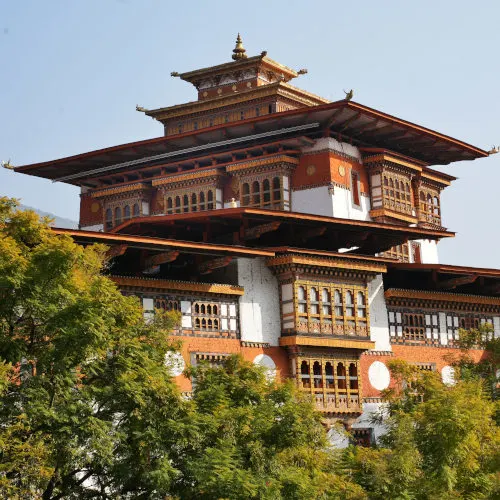
Traveling to Bhutan is different from most other countries. You cannot simply book a flight and figure things out as you go. Most aspects, such as flights, hotels, daily routes, and transportation, are arranged through a licensed travel agent, as independent travel is limited.
Bhutan charges a daily tourist tariff, which covers accommodation, meals, transportation, and guide services. It also supports local culture and infrastructure. While some travelers are surprised, this system makes the trip smoother and keeps tourism manageable.
Most itineraries start in Paro and continue to Thimphu, allowing travelers to adjust to the altitude and the slower pace of life. Even short distances can take longer than expected due to winding mountain roads.
We stayed in comfortable hotels and opted for full board, but more economical options are available.
Other key things to know:
- Visa and permits: Must be approved before arrival; tour operators usually handle this.
- Packing: Layered clothing, sturdy shoes, rain gear, and sun protection. Hiking to Tiger’s Nest requires trekking shoes and poles.
- Local customs: Dress modestly, follow your guide’s instructions, and respect daily routines. Some monasteries prohibit photography.
- Money: Cash in Bhutanese Ngultrum is widely used; credit cards are accepted in some hotels and shops.
- Connectivity: Internet and SIM cards are often arranged by the tour guide.
For more details, see: 20 Things to Know Before Your Trip to Bhutan
3. Thimphu and the Rhythm of Daily Life

Thimphu is Bhutan’s capital, but it feels very different from a typical city. Streets are quiet, traffic moves slowly, there are no high-rise buildings, and life has a calm rhythm. Monks, schoolchildren, and locals go about their daily routines steadily.
One of the first stops is Buddha Point. The large statue is striking, perched on a hill with sweeping valley views. Locals and visitors pause here, soak in the scenery, or leave small offerings.
Our first Bhutanese meal was here, featuring traditional dishes like jasha maru (chicken stew), kewa datshi (potatoes with cheese), ema datshi (chili and cheese), and suja tea (butter tea).
4. Traveling Between Thimphu and Punakha — Dochula Pass

The drive from Thimphu to Punakha winds through the mountains, crossing Dochula Pass at 3,100 meters. The pass has 108 small chortens and offers clear views of the surrounding peaks on a good day. Even in light fog, the atmosphere is serene.
Mountain roads take longer than expected, so Dochula Pass is a perfect spot to stretch, take photos, and notice small details: colorful prayer flags, terraced slopes, and passing locals.
Descending into Punakha Valley, the landscape changes. The valley feels warmer and more open, with lush rice fields, charming villages, and a gentler pace of life.
5. Punakha Valley: What to See and Experience

Punakha Valley is calmer than Thimphu, with wider views, warmer air, and a slower pace. Rice fields, villages, and a river at the valley’s heart make it a harmonious place where nature and daily life meet.
The main highlight is Punakha Dzong. Located at the meeting point of the Pho Chhu and Mo Chhu rivers, you cross a short bridge to reach the entrance. Inside, the dzong has multiple courtyards, temples, and intricate wood and stone work.
Unlike most dzongs, Punakha Dzong has three courtyards: the outer with a chorten and bodhi tree, the middle housing monks, and the inner containing sacred relics. Terracotta tiles, carvings, and murals showcase Bhutanese craftsmanship.
6. Chimi Lhakhang and Local Religious Life
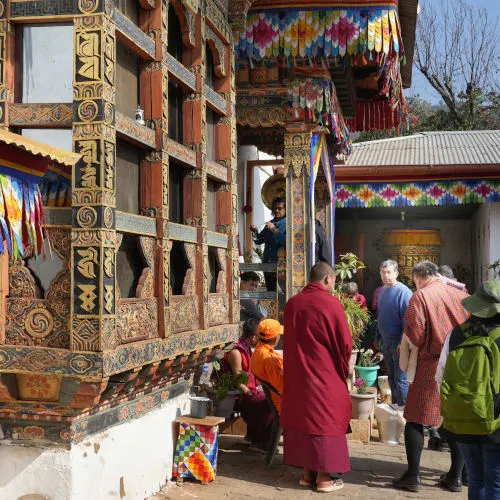
Chimi Lhakhang is a small temple near Punakha, reached via a short walk through rice fields and village paths. The walk gives a glimpse of rural life, and the temple itself feels personal and peaceful.
It’s associated with Drukpa Kunley, a 15th-century monk known for unconventional teachings. Many couples visit for fertility blessings. Rituals are informal and guided by a resident monk. Around the temple and nearby homes, symbolic paintings and decorations reflect local beliefs about protection and good fortune.
Inside, photography is not allowed. The atmosphere is modest, with murals, statues, and prayer wheels. Chimi Lhakhang stands out for how connected it feels to local life and belief.
7. Hiking to Tiger’s Nest Monastery

Tiger’s Nest Monastery, or Paro Taktsang, is perched on a cliff and can only be reached on foot. We left early from our hotel, arriving at the trailhead about 35 minutes later.
Horses or mules can carry you partway to the midway cafeteria, but the final ascent is on foot. The full hike usually takes 4–5 hours; we took six hours, including time inside the monastery.
The trail begins easily, offering valley views. Halfway, the Taktsang Cafeteria provides snacks and restrooms. The final stretch climbs steeply with rocky sections.
At the monastery, backpacks, cameras, and shoes must be left outside. Photography isn’t allowed inside, where we visited the lhakhangs and lit butter lamps. The experience is peaceful, with incredible views along the way.
8. Who This Bhutan Trip Is Suitable For
Bhutan requires visitors to adjust to its pace. Not all travel styles fit.
A six-day trip covers the main highlights with a mix of culture, scenery, and activity. Shorter trips can feel rushed; longer trips allow slower exploration.
Physical ability matters: Tiger’s Nest requires stamina, while valley walks and dzong visits are easier. Accommodation ranges from mid-range lodges to luxury hotels, though even the high-end options are simpler than in many other countries.
Knowing your travel style — active hikes, relaxed sightseeing, or a mix — makes the trip more enjoyable.
Notes:
- Altitude can affect anyone; take it slow and stay hydrated.
- Layered clothing is useful for changing temperatures.
- Hiking shoes are recommended for trails and uneven paths.
- Meal times and daylight hours affect the schedule.
9. Bhutan Travel Guide FAQs
Is Bhutan worth the daily tariff?
Yes — it covers hotels, meals, transport, guide services, and supports local culture.
How physically demanding is the trip?
Moderate. Valley walks are easy; Tiger’s Nest and mountain roads require effort.
Can you travel independently?
Not really; a licensed guide and driver are usually needed.
Best time to visit?
Spring (March–May) and autumn (September–November) have clear skies and good weather. Festivals are often held during these months.
What should I pack?
Layered clothing, walking or hiking shoes, sun protection, and rain gear.
Does altitude affect travelers?
Yes, pace yourself and stay hydrated.
Cultural customs?
Dress modestly, follow the guide instructions, and respect local routines.
Is hiking required?
Some walks are easy; others, like Tiger’s Nest, require moderate effort.
10. Explore More from Our Bhutan Journey
From Dochula Pass to Chimi Lhakhang and Tiger’s Nest, experiences are simple but meaningful. Traveling here requires planning, but it rewards visitors with insight into local life.
A six-day trip covers the main highlights: dzongs, temples, valleys, and some hikes, while still leaving time to notice small details of everyday life.
For more details, check the supporting posts:
- Bhutan itinerary for a six-day tour package — the comprehensive guide — a full day-by-day itinerary with detailed routes and tips
- 17 Things to Know Before Your Trip
- Landing at Paro Airport
- Punakha Dzong
- Chimi Lhakhang
- Buddha Point
- Dochula Pass
- Tiger’s Nest
Bhutan is not flashy, but it leaves a lasting sense of calm. Visiting here is less about seeing everything quickly and more about noticing the details that make the country unique.