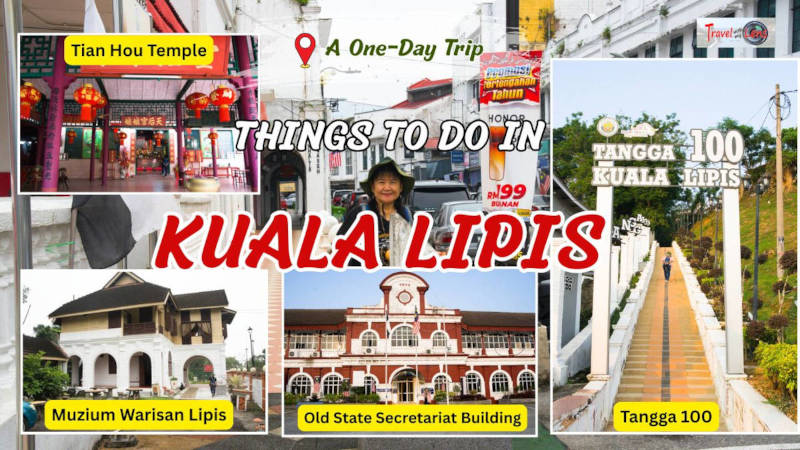
Kuala Lipis is a small town in the heart of Peninsular Malaysia, and at first glance, it may seem quiet and easy to overlook. But spend some time walking through its streets, and you begin to notice the layers of history that remain.
Kuala Lipis was once the capital of Pahang during the British colonial period. Many of its old buildings are still standing today, some dating back around a century. Although many have been converted into shops, eateries, and other modern businesses, their original character remains, giving the town a distinctly colonial feel.
My wife and I arrived in Kuala Lipis from Gua Musang in the late afternoon. We came to explore the old town, seek out its historical landmarks, and, of course, try some local food.
Content
Note: Click any item to jump straight to that part of the post.
- Lunch at Suasana Kampong
- Exploring Jalan Besar and the Old Town
- Tian Hou Temple
- Tangga 100 and the Old State Secretariat Building
- Dinner at Azmi Ikan Stim Tempoyak
- A Second Morning in Kuala Lipis
- Two Mosques from Different Periods
- Muzium Warisan Lipis
- Breakfast at Kedai Kopi Stesen
- Nasi Kerabu at Kedai Makan Kuzah
- Md. Jamil Pulut Rendang
- Our Kuala Lipis Journey
- 🎬Watch our video
Lunch at Suasana Kampong
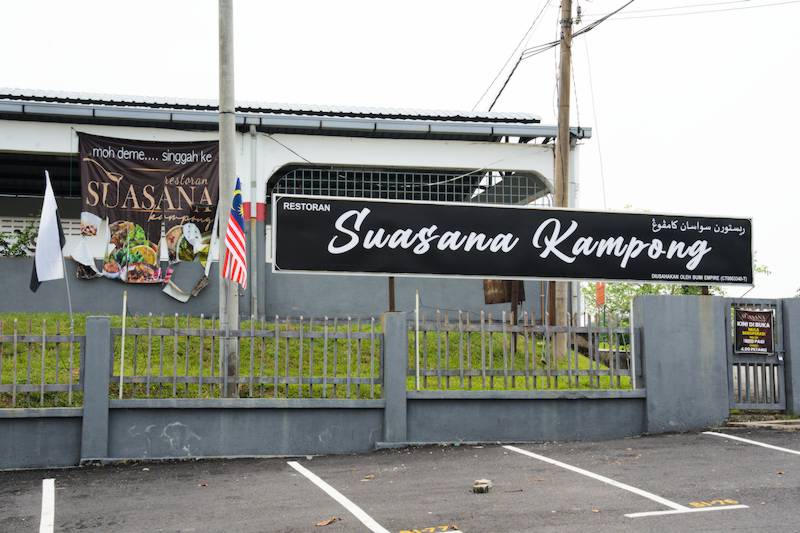
Our first stop was Suasana Kampong, a popular local eatery where we stopped for lunch.
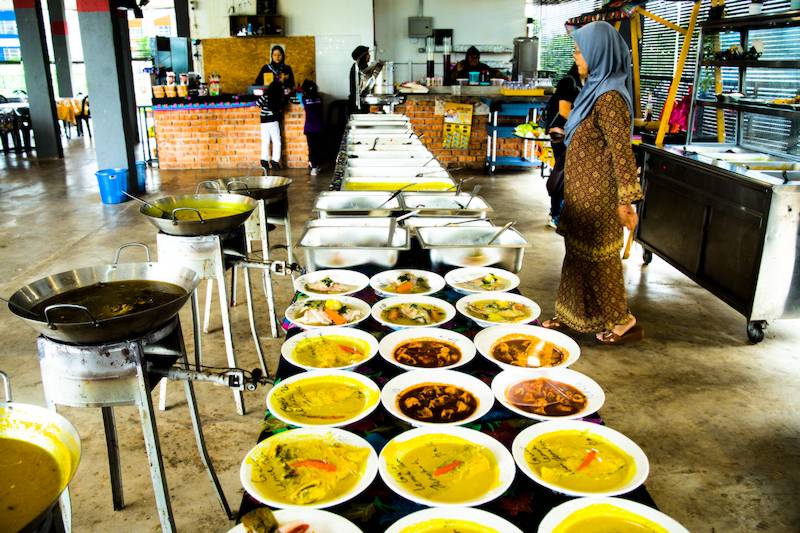
We arrived a little late, but there were still plenty of dishes to choose from. The place is huge and spacious. There is no air conditioning, but it is very airy and comfortable, which makes it a pleasant place for a casual meal.
We ordered mainly fish and chicken, along with several traditional Malay-style dishes. The food was good, and I was also impressed that the place was clean and well-kept.
After lunch, we started exploring Kuala Lipis.
Exploring Jalan Besar and the Old Town
We drove around town along Jalan Besar and immediately noticed the number of old buildings from the colonial era.
Unfortunately, many of the shops were already closed by the time we arrived. Rather than rushing through the town when much of it was quiet, we decided to return the following morning when the shops and other places would be open.
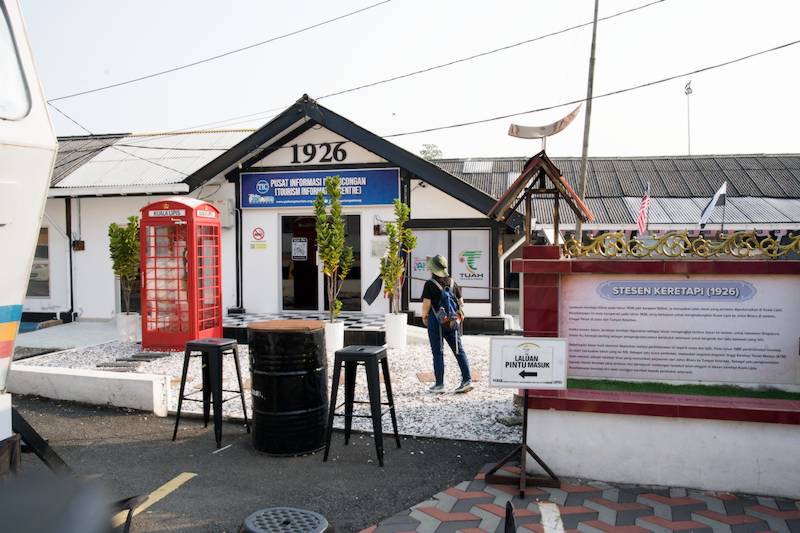
We also took a walk near the railway station, where we came across a large mural. The railway station is just off the main road, and there is a café next to it, although it appeared to no longer be operating.
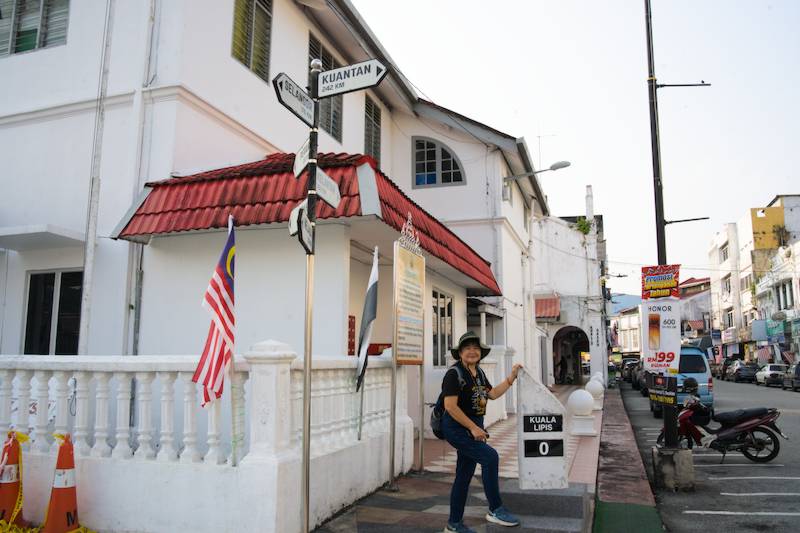
From there, we walked back towards the main road and headed to the post office, where we found Kuala Lipis’s Mile Zero marker.
I have noticed that many of the smaller towns we visit have a clearly marked Mile Zero. Gua Musang, which we had just visited, is another example.
Tian Hou Temple
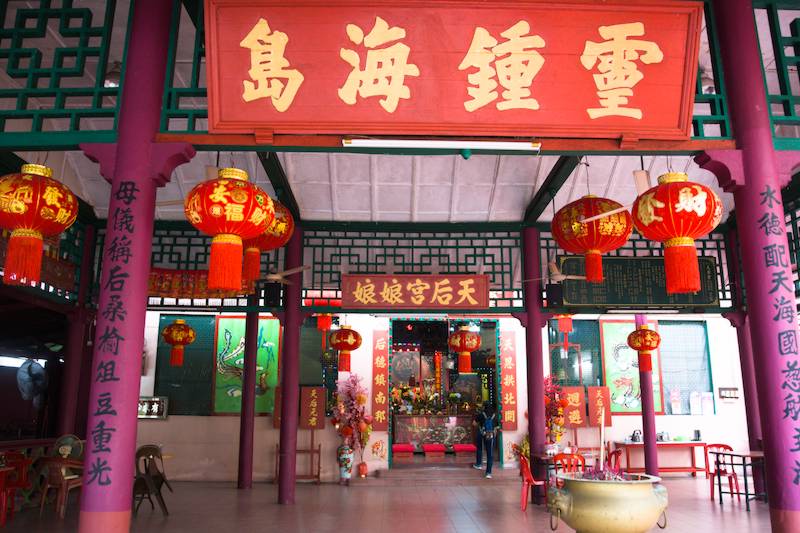
We then walked towards the Tian Hou Temple, but unfortunately, it was closed.
It looked like we would have to come back the following morning.
We continued walking along the back road towards Jeti Lipis. There was not much happening there, and it looked as though the jetty was no longer in use.
Although there was not much to see, this was part of what made exploring Kuala Lipis interesting. We were simply walking around and seeing what we could find.
Tangga 100 and the Old State Secretariat Building
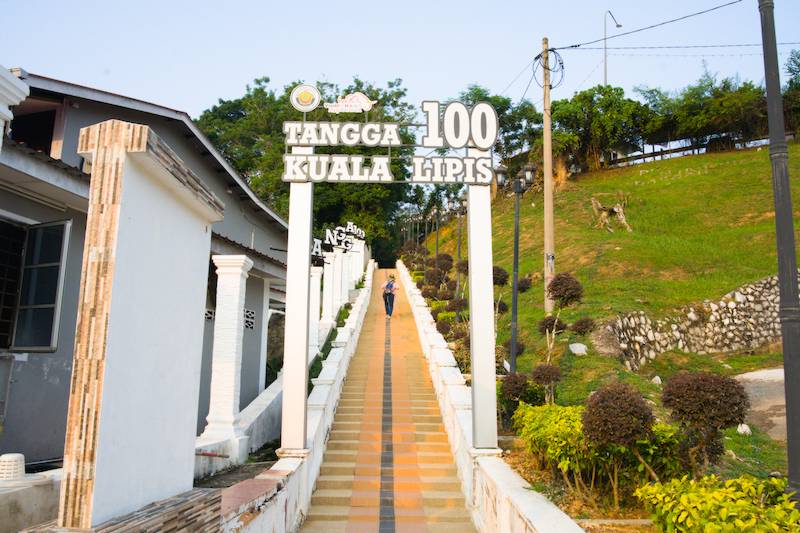
From Jeti Lipis, we drove to Tangga 100 Kuala Lipis.
The name Tangga 100 means “100 stairs,” although we did not actually count them, so I cannot confirm whether there are really 100!
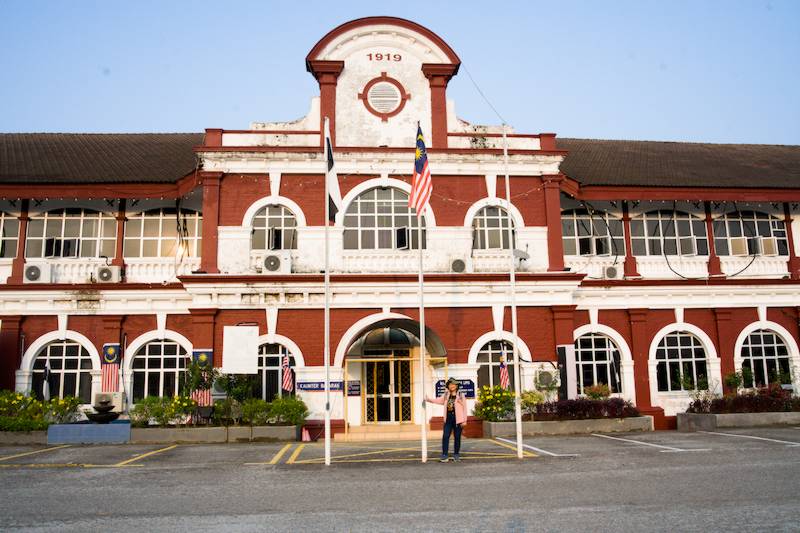
But once you reach the top, there is a magnificent old building waiting for you.
This is the former State Secretariat Building, dating back to 1919. During the British colonial period, it served as an administrative headquarters when Kuala Lipis was the capital of Pahang.
From the top, we could also see a beautiful garden at the crossroads below. We slowly made our way down along the back road to have a closer look.
The garden really was beautiful, and we stopped to take a few photographs before continuing for dinner.
Dinner at Azmi Ikan Stim Tempoyak
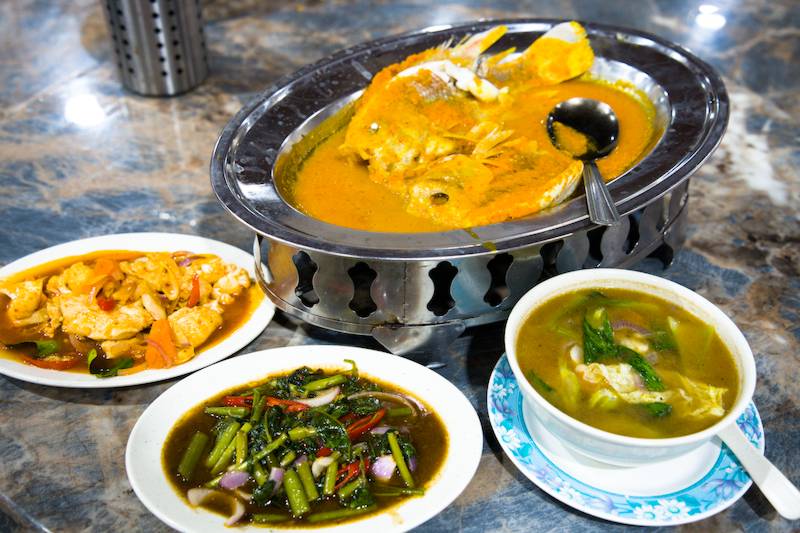
For dinner, we went to Azmi Ikan Stim Tempoyak.
Naturally, we ordered their specialty: steamed fish with tempoyak sauce. The dish was quite different from other steamed fish dishes I have tried, and it was an interesting taste of the local cuisine.
We also ordered some chicken and vegetables. The restaurant had a very nice and comfortable atmosphere, and the prices were fairly reasonable, around the mid-range.
After dinner, we called it a day.
A Second Morning in Kuala Lipis
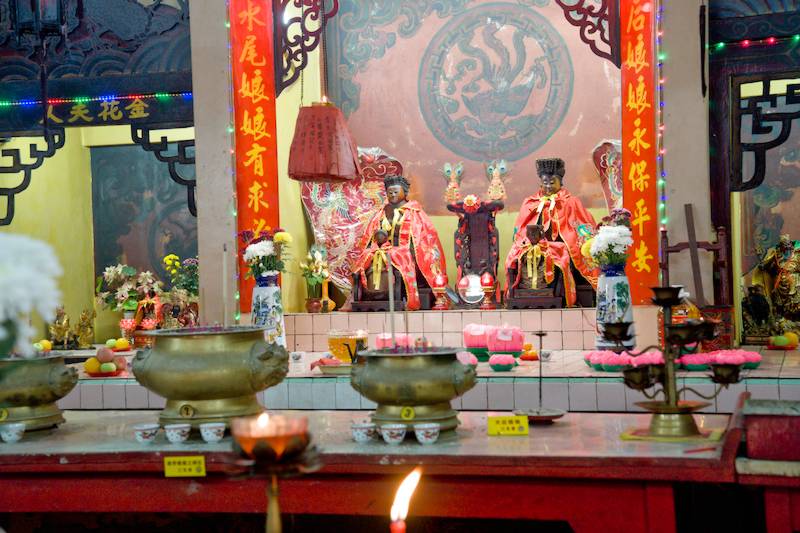
The following morning, we returned to the Tian Hou Temple, which had been closed the previous day.
The temple is a traditional Chinese temple, much like many others you can find around Malaysia. It is located in an area with a large Chinese community, which is quite typical of where these traditional Chinese temples are found.
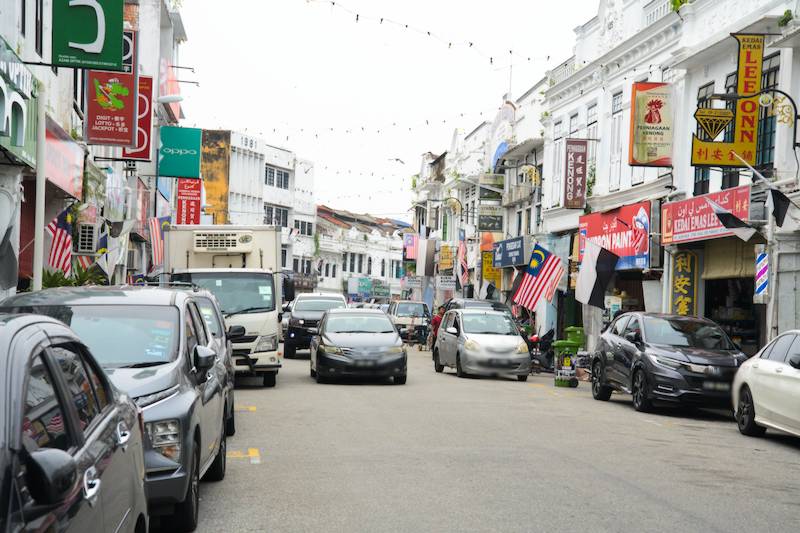
The surrounding streets were also worth exploring.
Many of the buildings here are around 100 years old, and quite a few still retain their original structure and traditional design. Many have now been converted into modern shops, retail stores, and eateries, but you can still feel the strong colonial character of the town as you walk along the streets.
This combination of old buildings and modern businesses is one of the things I enjoyed about exploring Kuala Lipis. The town has changed, but much of its historical character is still visible.
Two Mosques from Different Periods
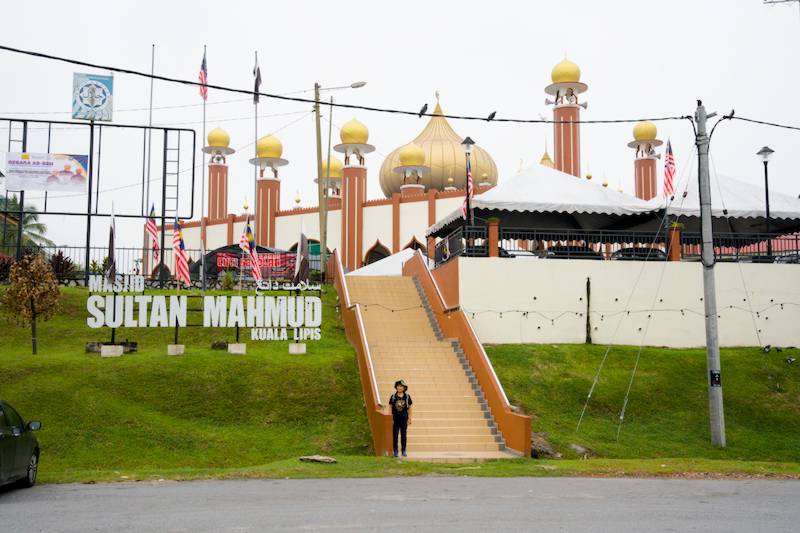
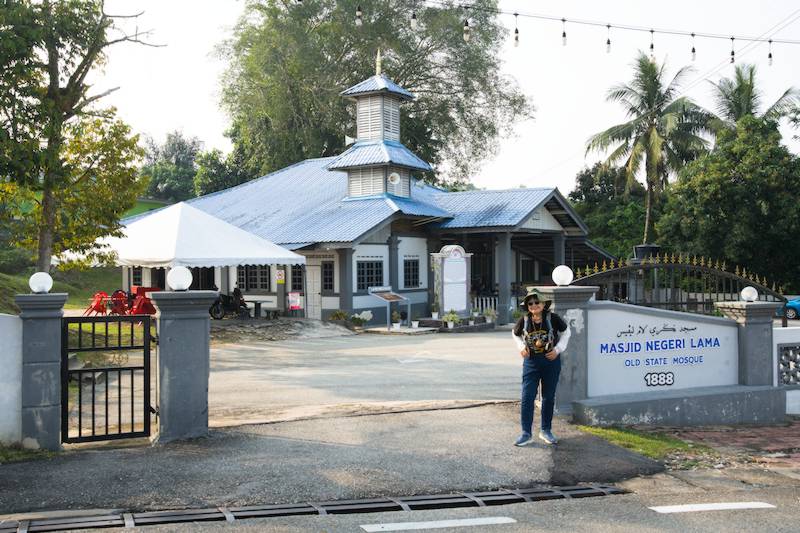
We then walked back to the main street, where we came across the old Masjid Negeri Lama.
The mosque was built in 1888 and is still functioning as a mosque today.
We also visited Masjid Sultan Mahmud, which is much newer, having been built in 1970.
It was interesting to see these two mosques from very different periods, yet both continue to serve the local community today.
Muzium Warisan Lipis
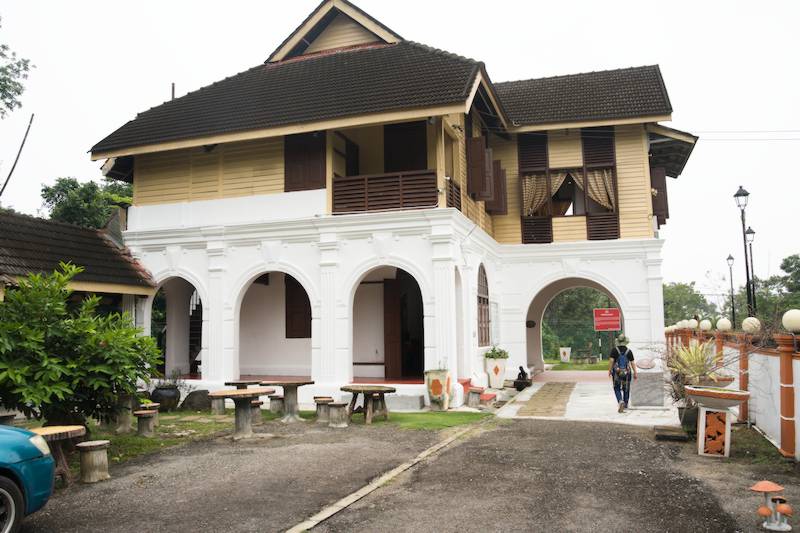
One of the highlights of our visit was Muzium Warisan Lipis, sitting quietly on top of a hill.
The colonial house was built in 1920 and was once the official residence of the British Resident when Kuala Lipis was the capital of Pahang.
We went inside to have a look.
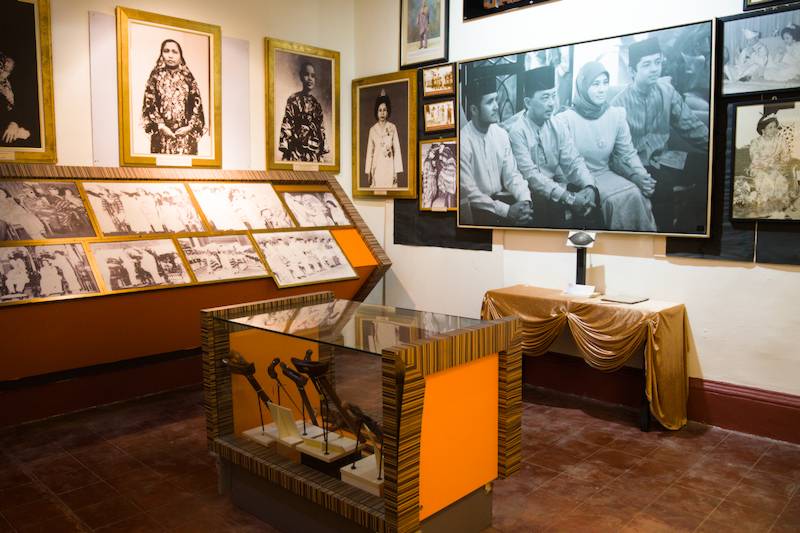
The museum is housed in a two-storey building. As soon as you step inside, you can see the original wooden floors and a collection of historical displays.
The exhibits include Pahang royal regalia, traditional ceremonial weapons, and artifacts from the early days of gold mining, which played an important role in the history of Kuala Lipis.
Walking from room to room gives you a better idea of how this small riverside settlement developed into an important administrative centre during the British colonial period.
For me, this helped put many of the old buildings and streets we had seen around town into perspective.
Breakfast at Kedai Kopi Stesen
Of course, no trip is complete without trying some local food.
For breakfast, we went to Kedai Kopi Stesen.
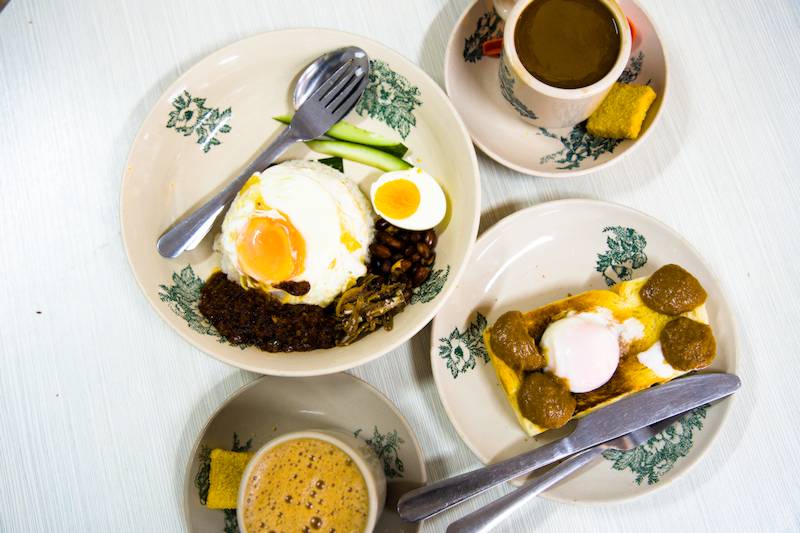
One thing that caught my attention was the way they decorated the toast. It came with four scoops of kaya, with an egg on top. It was a simple breakfast, but the presentation was unique.
Nasi Kerabu at Kedai Makan Kuzah
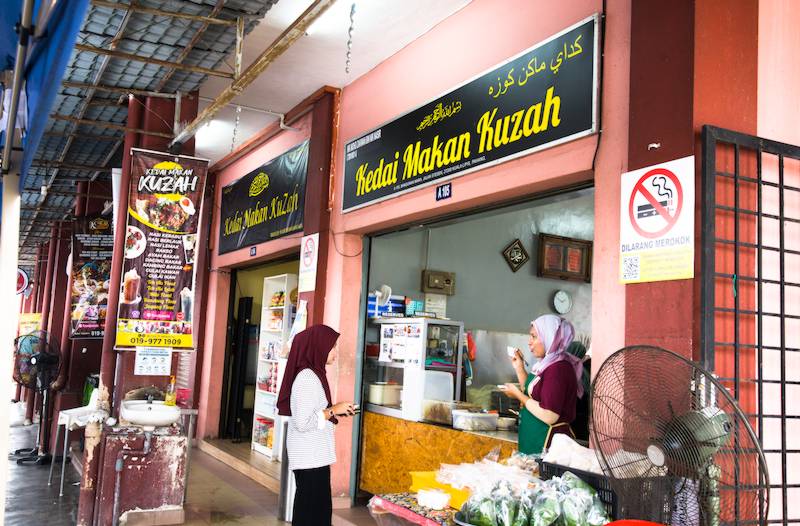
For lunch, we stopped at Kedai Makan Kuzah, a small eatery right next to the railway station.
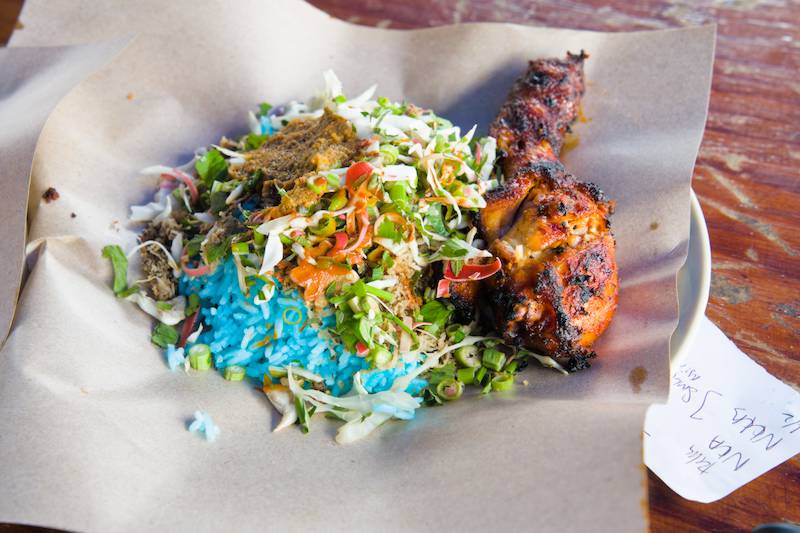
They specialize in Nasi Kerabu, so that was what we came here to try.
It was another opportunity to sample local food while exploring the area around the railway station.
Md. Jamil Pulut Rendang
But our food hunt was not over yet.
We did not want to miss one of the most famous food spots in Kuala Lipis, Md. Jamil Pulut Rendang.
We had actually tried to come the previous day, but we were too late because they had already closed. So this time, we purposely came much earlier.
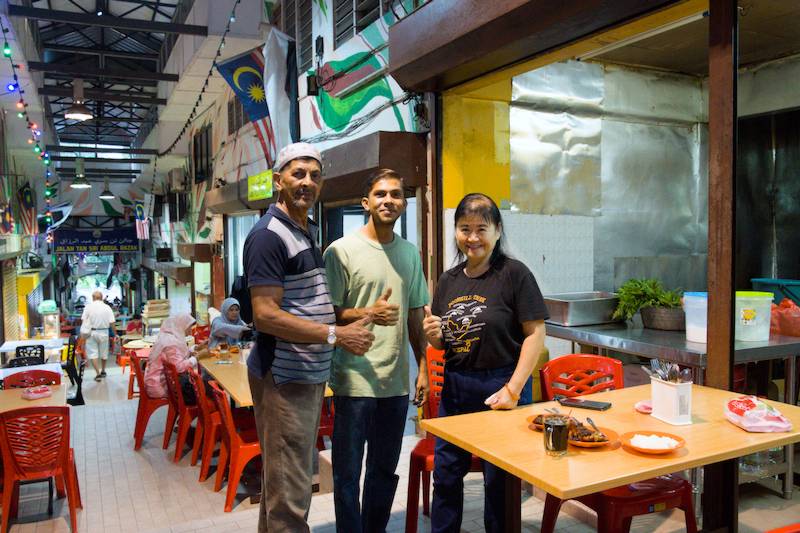
And this time, the owner, Encik Jamil, was there.
The place is so well known that even the King has visited before.
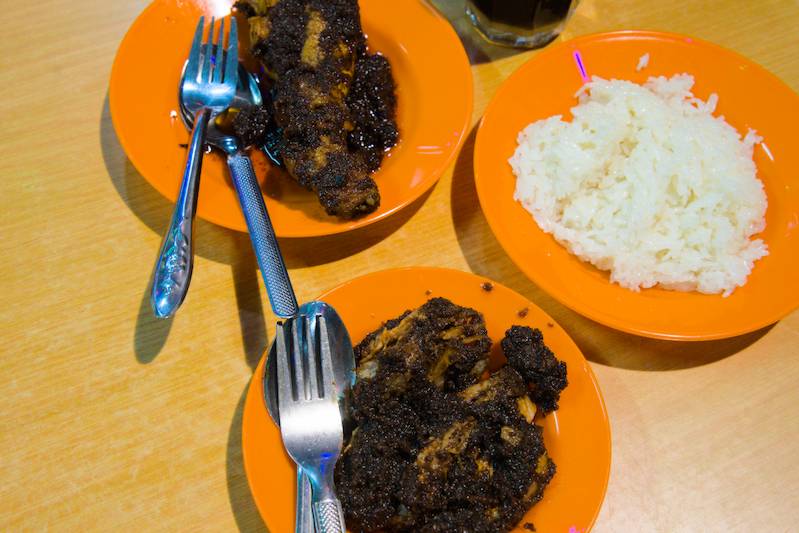
As for the food, I have to say, the taste was exceptional. I’m not going to lie — this is probably the best Rendang Minang I have ever tried.
It also reminded me of another type of rendang, Rendang Tok from Kuala Kangsar. Both are equally tasty, but the flavors are quite different. If you are interested, you can also check out our video about Rendang Tok to see the difference.
Our Kuala Lipis Journey
And that brings us to the end of our visit to Kuala Lipis, and also the end of our one-week journey through central Peninsular Malaysia.
During this trip, we travelled through places including Dabong, Gemas, Bahau, and Kuala Lipis, each with its own character and stories to tell.
Kuala Lipis was particularly interesting because of the way its history is still visible in everyday life. Old colonial buildings, traditional places of worship, the railway station, historical landmarks, and local food all come together to tell the story of a town that was once the capital of Pahang.
Now, it is time for us to head back to Kuala Lumpur.
If you would like to discover more about the other places we visited on this trip, check out our other Travel with Lens videos. There are plenty more stories and places to explore.
And as always, I’ll see you again on our next journey.
🎬Watch our video
We’ve put together a video from this trip, which you can watch on YouTube by clicking the image below.