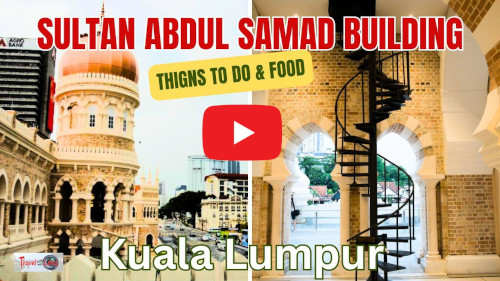
I’ve passed by the Sultan Abdul Samad Building many times over the years, but only recently did I slow down to take a closer look. What immediately caught my attention was how striking it looks today, with its fresh paint and vibrant colors following a major renovation completed in February 2026.
Stretching approximately 137 meters along Jalan Raja, directly opposite Dataran Merdeka in Kuala Lumpur, this iconic landmark is one that many visitors feel they already know. However, stepping inside reveals a completely different side of the building—one that goes far beyond its historic façade.
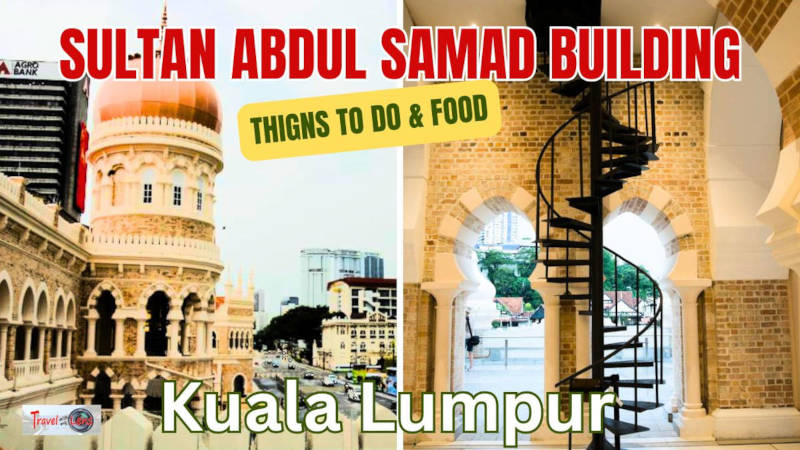
No longer functioning as a high court or government office, the building has been thoughtfully reimagined as a cultural and lifestyle destination. Today, it houses galleries, cafés, and event spaces, while also serving as one of the most photogenic spots in Kuala Lumpur. Whether it’s for weddings, graduations, birthdays, or simply capturing everyday moments, the setting offers beautiful photo opportunities from almost every angle.
A Glimpse Into Its History
Before my visit, I took some time to understand the history behind the Sultan Abdul Samad Building. Here is a simplified timeline to put things into perspective:
- April 4, 1897 – Sir Frank Swettenham, the first Resident General of the Federated Malay States, officially inaugurated this building, which served as the administrative center for the Federated Malay States.
- 1948 – Following the formation of the Federation of Malaya, the building is renamed the Federal Secretariat.
- August 31, 1957 – A defining moment in the nation’s history takes place right in front of the building at Dataran Merdeka. At midnight, the British Union Jack is lowered, and the Malayan flag is raised for the first time, marking independence.
- 1974 – The building is renamed Bangunan Sultan Abdul Samad, in honor of Sultan Abdul Samad, who ruled during its construction.
- 1984 – A major RM17.2 million renovation is completed, after which the building becomes the home of Malaysia’s superior courts.
- 2007 – It is officially gazetted as a National Heritage site and later houses the Ministry of Information, Communications, and Culture.
- February 2, 2026 – The building reopens to the public as a cultural and heritage destination, now featuring galleries, exhibition spaces, and cafés.
What Makes This Building So Unique
The reasons the Sultan Abdul Samad Building stands out from other colonial-era buildings in Kuala Lumpur are its distinctive architectural style. Many structures from that period follow a more traditional European Neoclassical design, but this one feels completely different.
It brings together colonial influences with strong Islamic elements. This style is often described as Indo Saracenic, sometimes also referred to as Neo Mughal or Moorish.
Moorish-inspired architecture traces its roots to the Islamic traditions of North Africa and Spain. You will often see features like red brick facades, graceful arches, domes, and intricate decorative details. All of these come together beautifully here, making it one of the most recognizable landmarks in Kuala Lumpur.
Let me walk you through a few details that really caught my eye.
Arches and facade
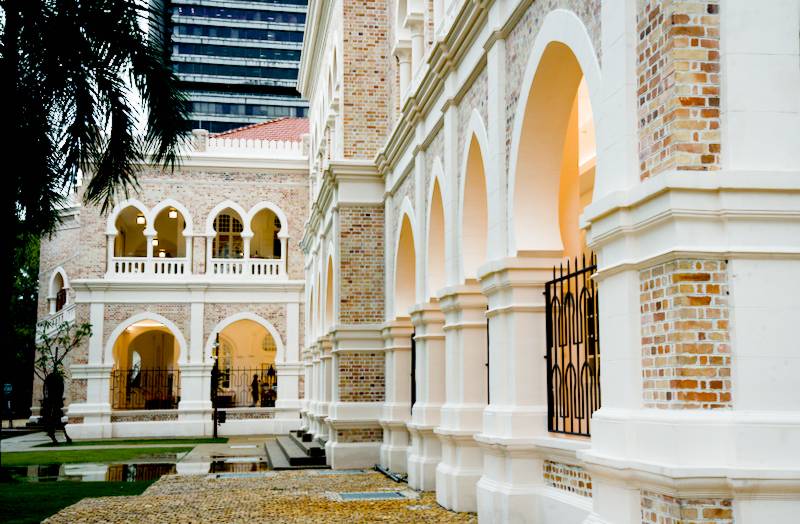
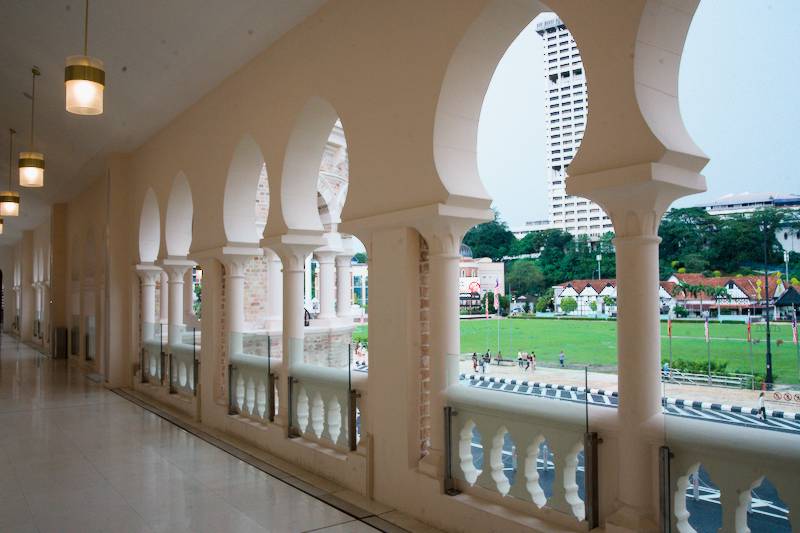
The building is lined with horseshoe and multi-foiled arches that create a smooth, almost rhythmic flow along the corridors. Paired with the red brick walls and white plaster details, the building’s design significantly differs from the usual grey stone buildings often associated with British colonial architecture.
Copper domes and chattris
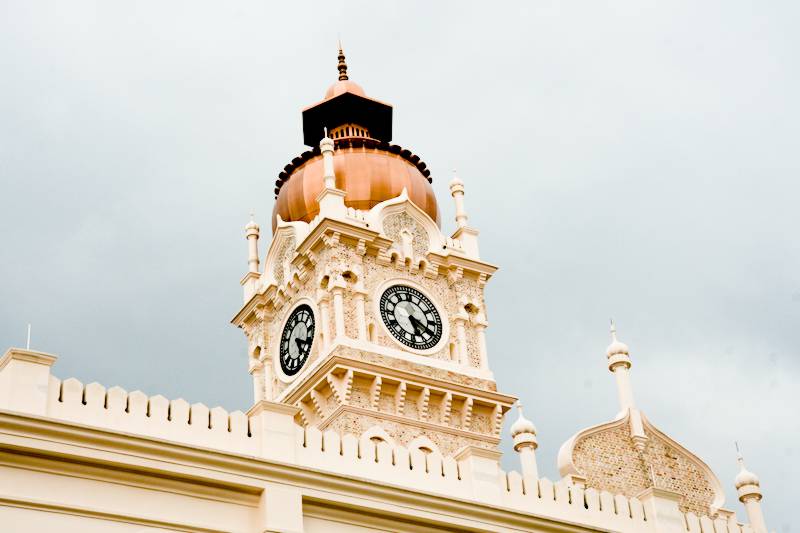
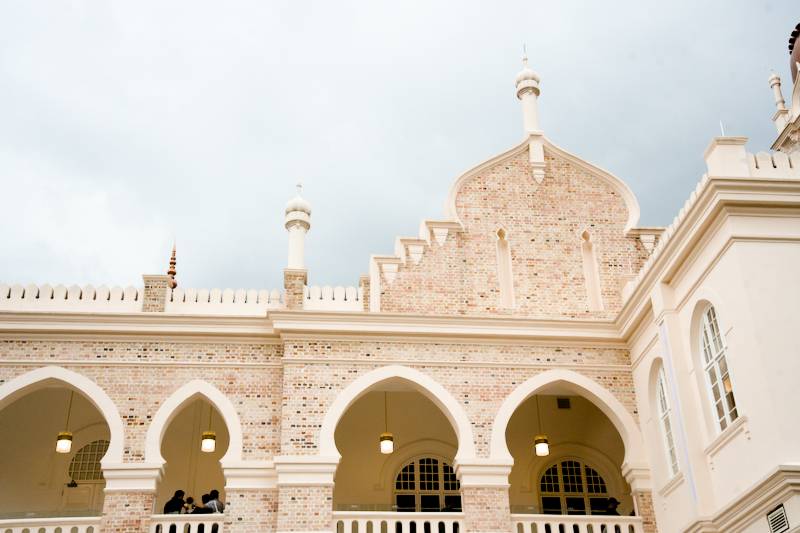
The onion-shaped domes are covered in copper, which has aged over time into a deep, rich tone. Around them are smaller domed structures known as chattris, supported by columns. These are commonly seen in Indian palace architecture and add another layer of detail to the roofline.
The clock tower
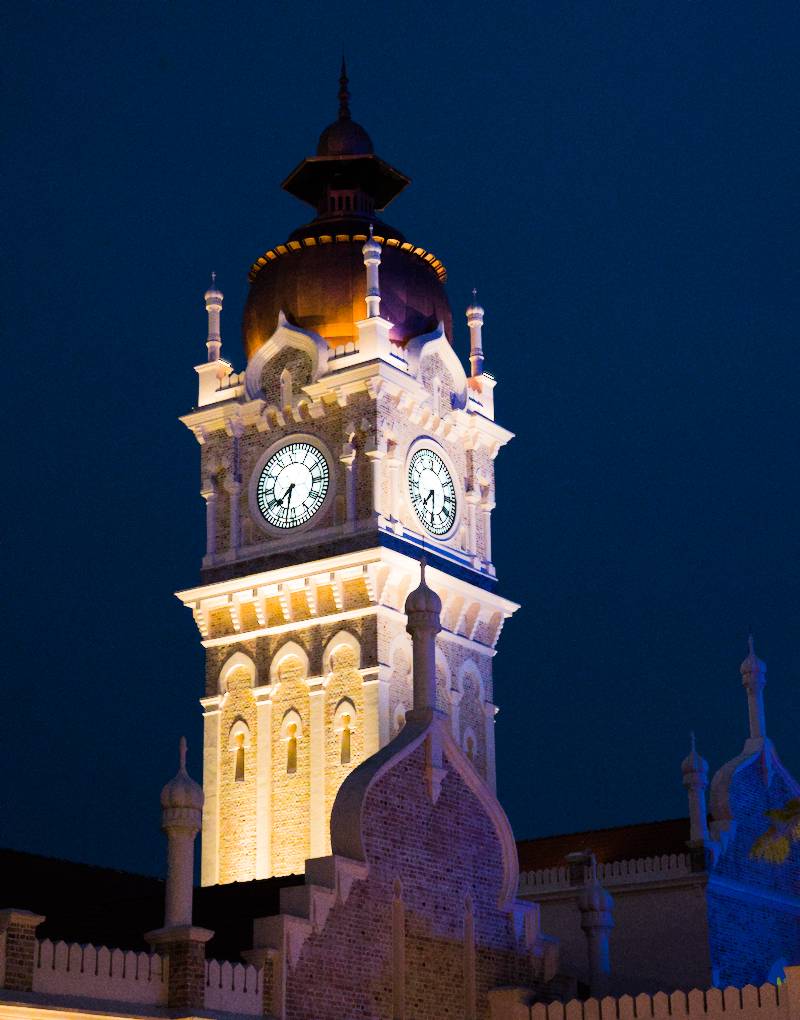
Standing at about 41 meters tall, the central clock tower is often compared to Big Ben in London. It looks especially impressive in the evening when the lights come on, and the whole building stands out against the darkening sky.
The spiral staircases
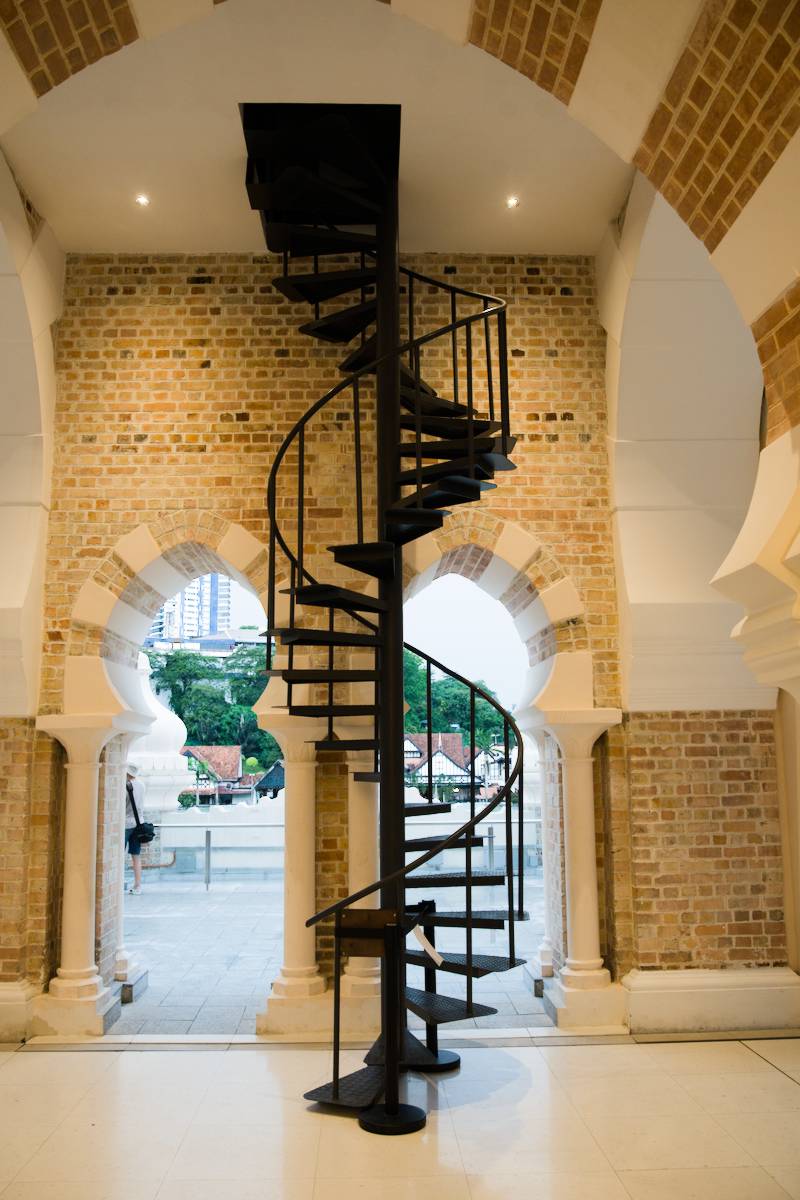
There are several black cast-iron spiral staircases. These are beautiful examples of Victorian engineering, which shows how Western craftsmanship blends seamlessly with the building’s Moorish style.
Things to See While Visiting the Abdul Samad Building
Let me take you on a walk around the Sultan Abdul Samad Building. I will start from the ground floor. As I walk in, facing the inner courtyard, that will be my point of reference. So whenever I mention left or right later, I am referring to that direction.
Ground floor
Stepping Into the Courtyard
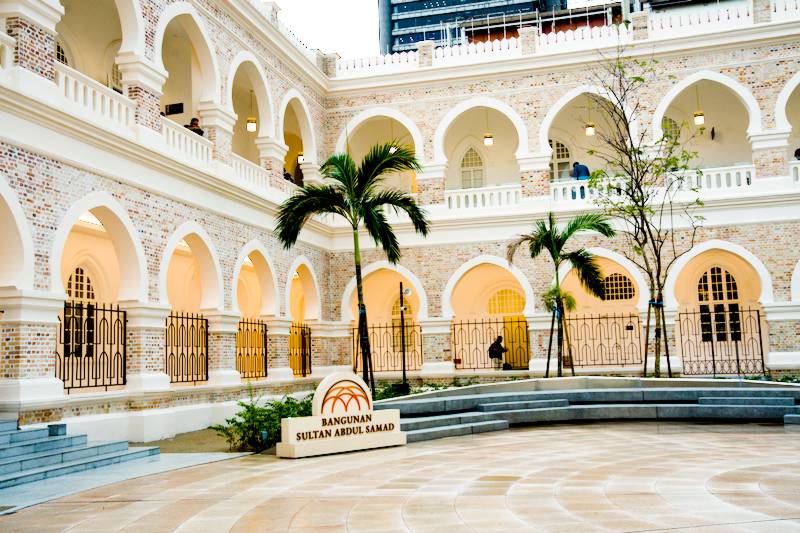
I headed straight ahead once I entered from the main entrance, and it opened up into a lovely courtyard. From here, you can really take in the red and white walls up close and see all the details that make the building so striking.
The courtyard feels calm and inviting, with the building wrapping around you on all sides. It is also one of the best spots for photos.
Exploring the Left Side: Selangor Pewter and Tourism Information
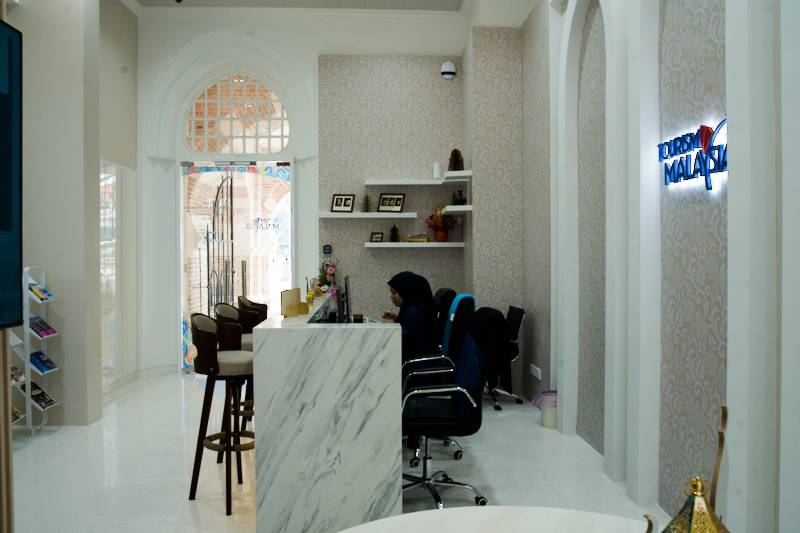
On the left side of the ground floor, the first stop is the Malaysia Tourism Information Center, where you can pick up useful information about getting around and exploring the area.
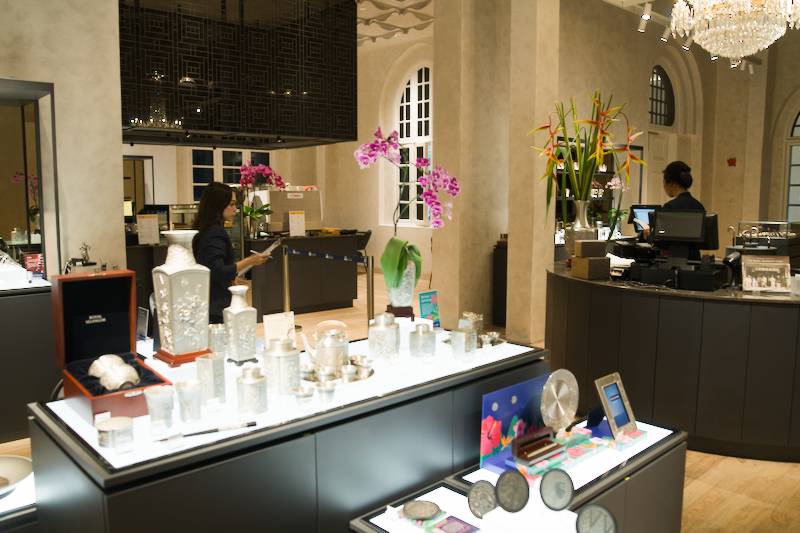
Right next to it is Selangor Pewter. This is one spot you really should not miss when visiting the Sultan Abdul Samad Building. It has a pewter workshop, a café, and a retail section, all in one space.
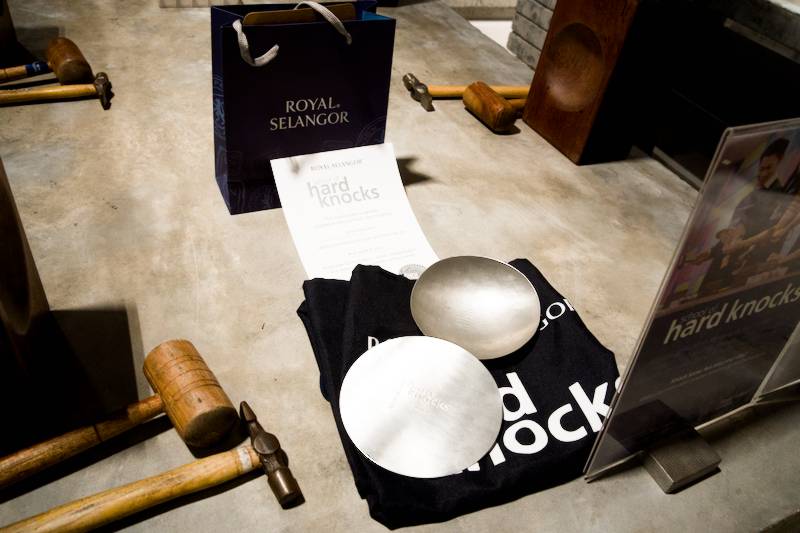
The School of Hard Knocks pewter workshop sits just across from the retail gallery and is connected by an underground passage. This tunnel is only open to visitors who take part in the workshop, which costs RM80 per person. During the session, you are guided step by step to create your own pewter bowl.
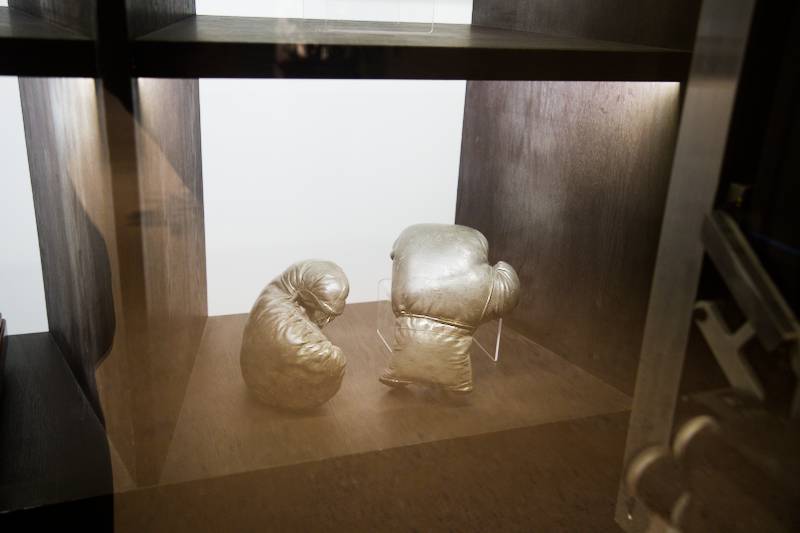
There is an impressive collection of pewter items on display inside the gallery. One of the highlights is a wall-to-wall showcase of rare and unique pieces. For example, there is a pewter replica of the glove used by Muhammad Ali during his fight with Joe Bugner in Kuala Lumpur in 1975. The display is interactive. When I selected an item on the touchscreen, the pointer moved to highlight the exact piece I had chosen.
At the far end of the gallery, there is a Selangor Pewter café where you can take a break. The café is air-conditioned and also offers outdoor seating that overlooks Dataran Merdeka. It is a nice spot to sit, relax, and enjoy the view. This café leans more toward Western-style desserts and cakes, and you can also enjoy a cup of coffee brewed from their espresso machine.
A Walk Through the Right Side of the Ground Floor
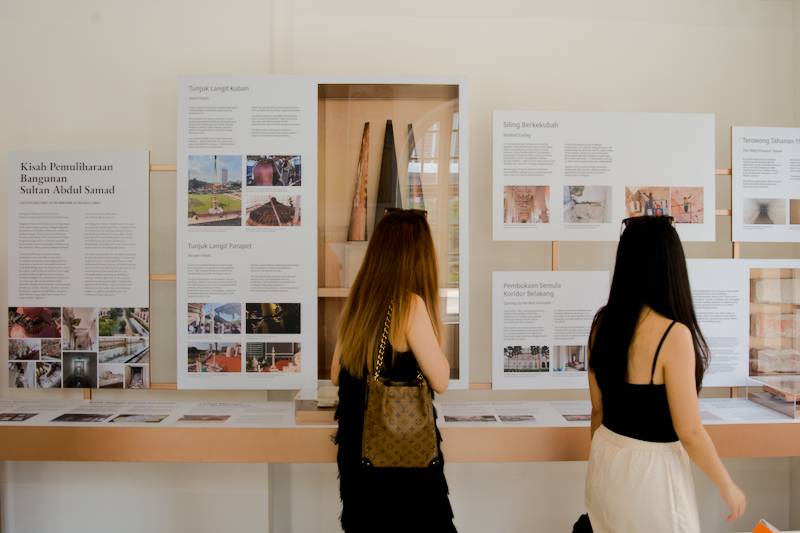
If you turn right after entering through the main gate, the visitor center will be on your left. This is where you can learn more about the development of Kuala Lumpur, along with the history and restoration of the building.
More importantly, this is where you purchase tickets to enter the exhibition halls. The entry fee is RM40 (with a free RM10 voucher at the Gift Shop) for non-Malaysians, while Malaysians are free, although this may change from time to time.
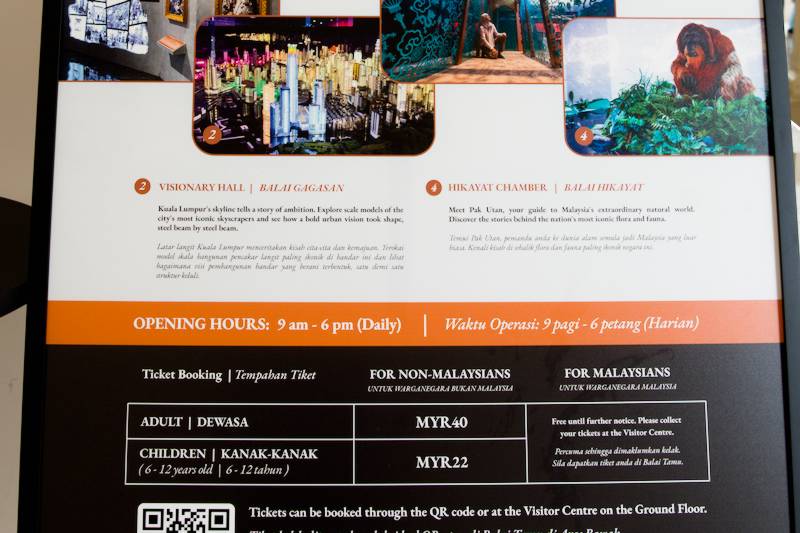
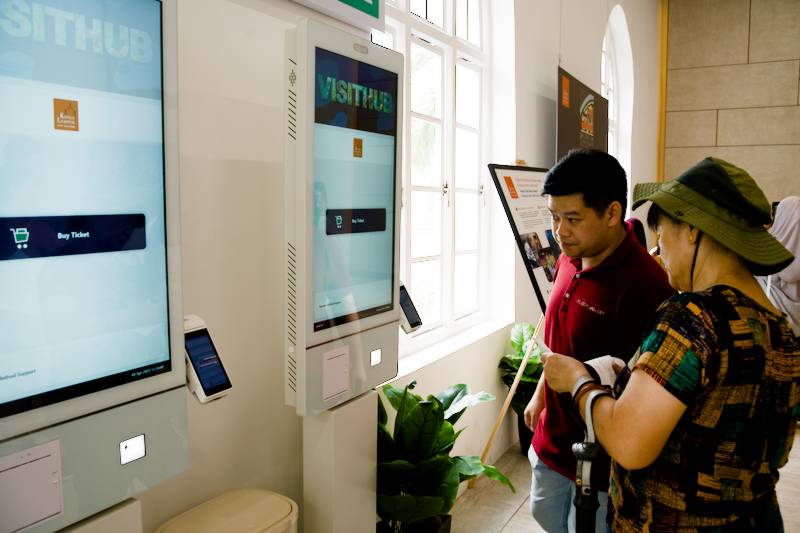
Note: Please purchase your ticket using the ticketing machine before visiting the exhibition halls. Please note that entry to Confluence Hall, Harmony Hall, Visionary Hall, and the Hikayat Chamber is only allowed with a valid ticket.
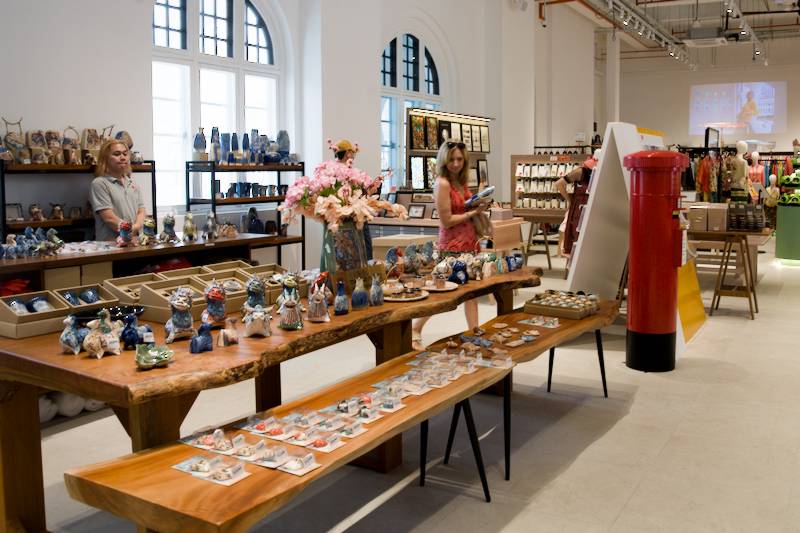
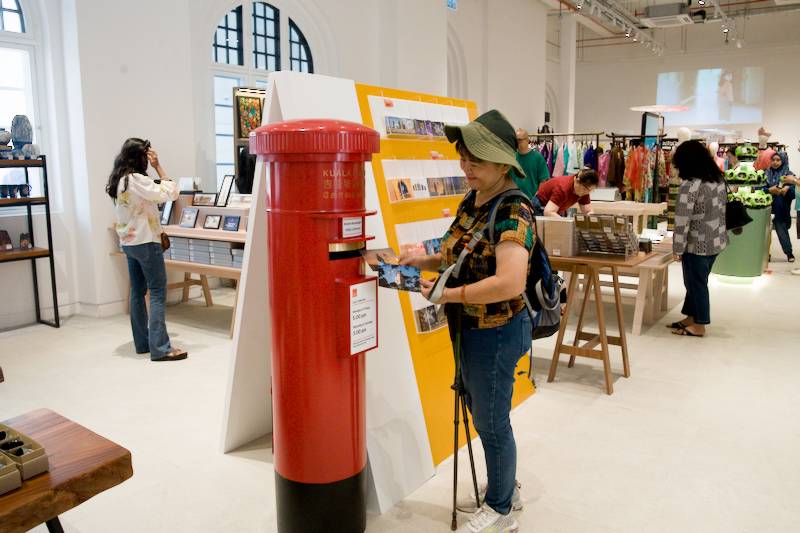
Opposite the visitor center is the Gift Shop, where you can find a variety of souvenirs. One of the more interesting items is the postcard. Each postcard costs only RM6, and that includes postage to anywhere in the world. Right beside it, you will find a red post box to send the postcard off immediately.
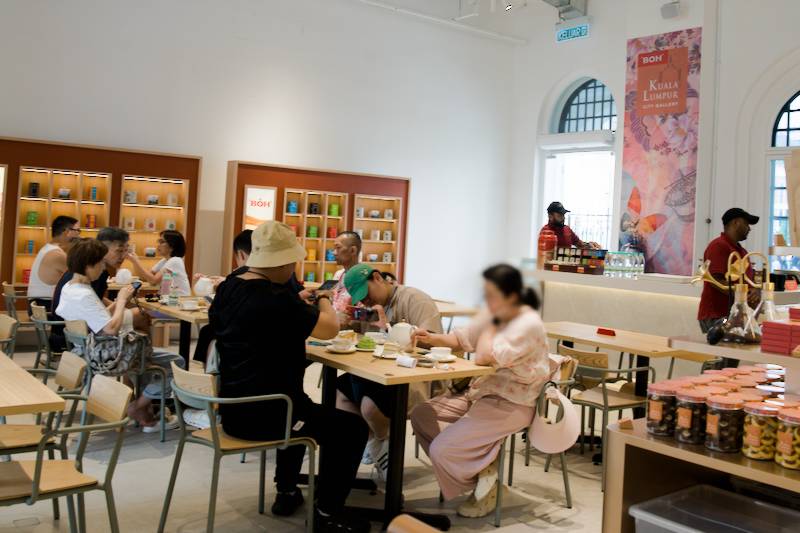
At the far end is a small café by BOH Tea where you can take a short break.
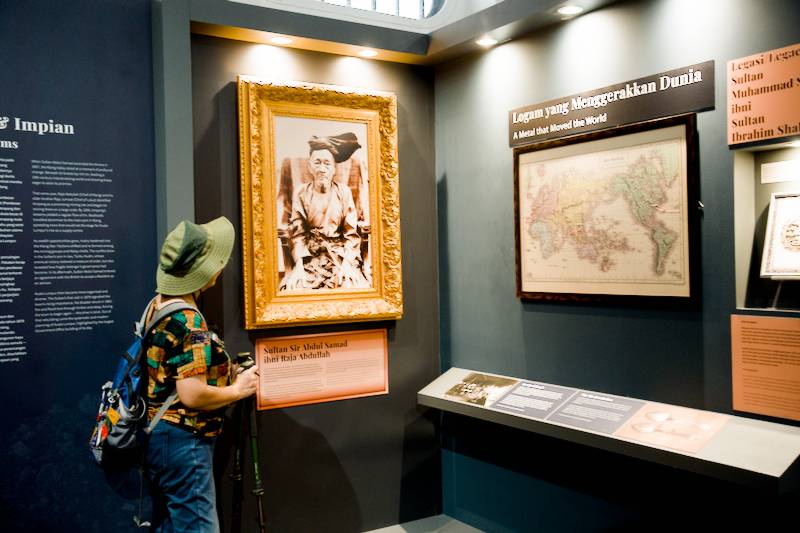
Next to the gift shop is Confluence Hall, which tells the story of Kuala Lumpur from its early mining days to its growth into a thriving capital. It traces the city’s journey from around 1820 to the formation of the Federal Territory in 1974.
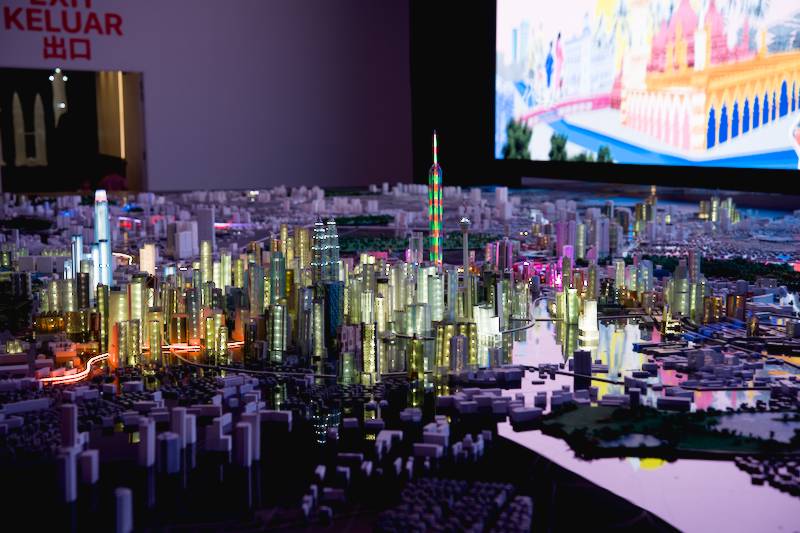
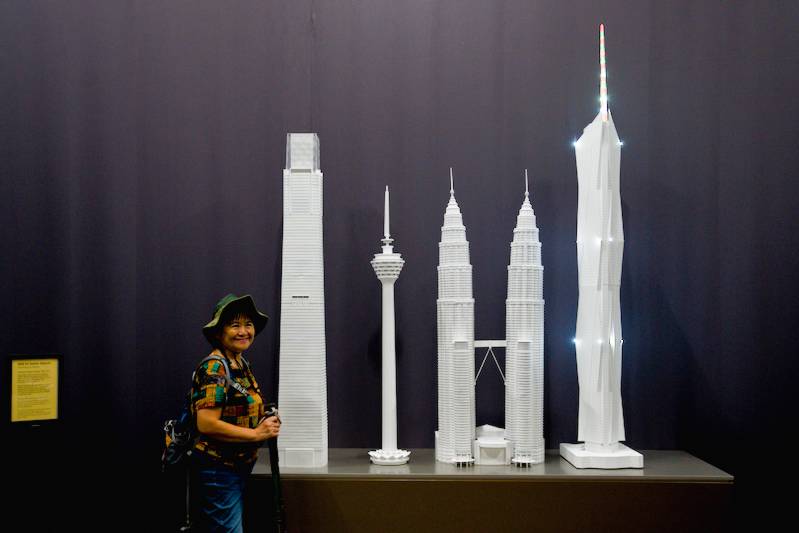
Further along on the right, you will come to Visionary Hall. This space showcases the Kuala Lumpur skyline, future development plans, and some of the city’s most iconic skyscrapers. There is also a large 3D model of Kuala Lumpur. Behind is a large screen presenting a video about the city’s development.
If you continue walking to the end, you will reach the Bake House Café.
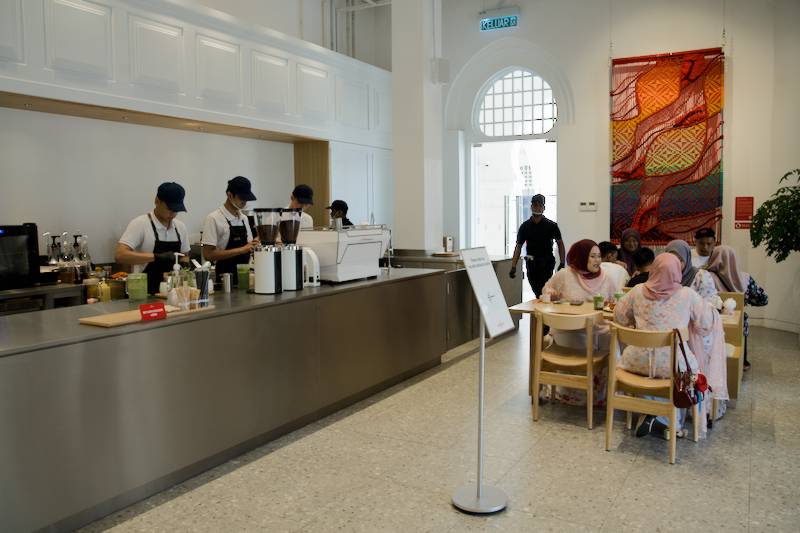
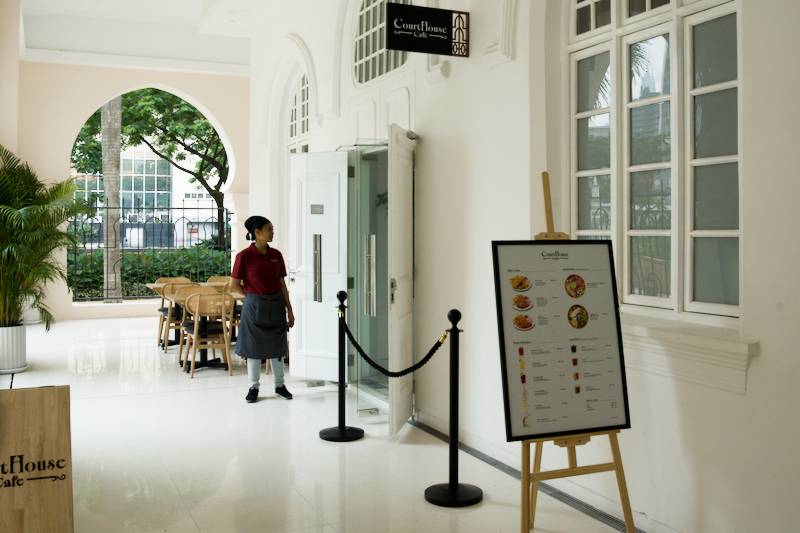
If that is not what you are in the mood for, you can head to the back end of the corridor to the Court House Café instead, which mainly serves Western-style dishes.
First Floor
Front and Left: Views, Staircases, and the Café
Let’s head back to the entrance and take the staircase up to the first floor. As you walk up, you will notice a striking black spiral staircase. If you continue past it, you will come out into an open area overlooking Dataran Merdeka. This is one of the most popular photo spots, and during our visit, we even saw a few couples taking their wedding photos there.
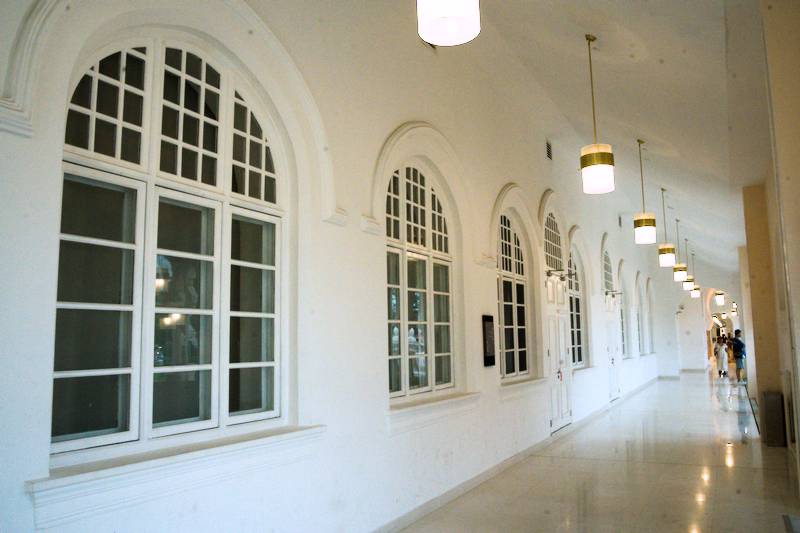
Back inside the first floor, you will find a long corridor on the left with a unique design. One side features traditional Islamic patterns, while the opposite side showcases colonial-style window designs, creating a beautiful contrast.
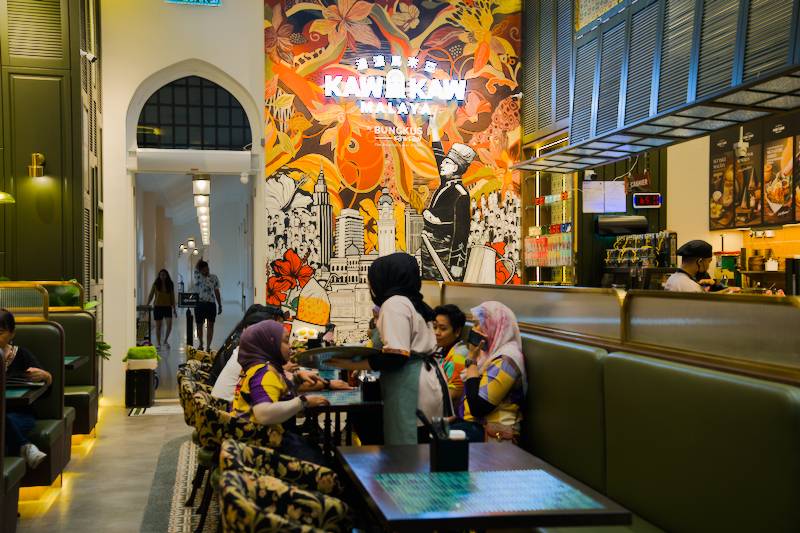
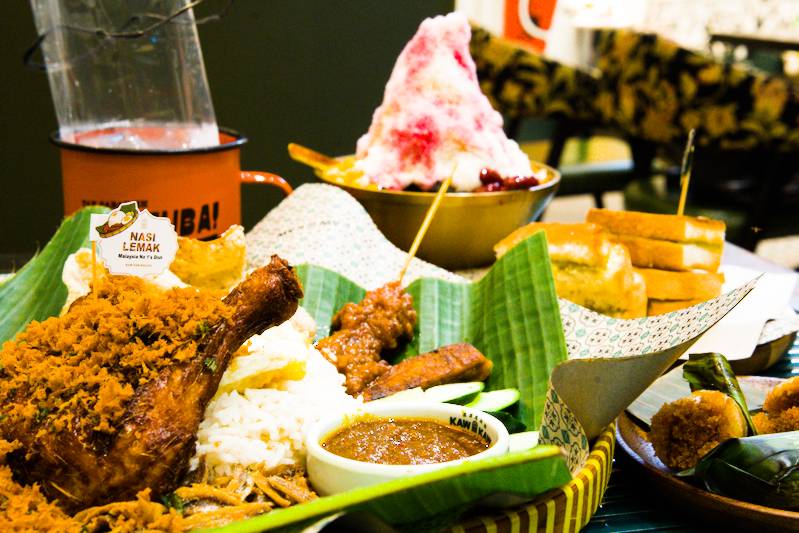
If you head to the right instead of the left and continue all the way to the far end, you will reach Malaya Kaw Kaw Café. This is where we stopped for a meal during our visit. The café offers both air-conditioned indoor seating and an outdoor area. We tried several of their signature dishes, including nasi lemak with ayam berempah, ais kacang, pulut panggang, and toasted bread. The interior has a warm, old-school Malaysian kopitiam feel that is both nostalgic and inviting.'
Back Corridor: Chambers and Cultural Exhibits
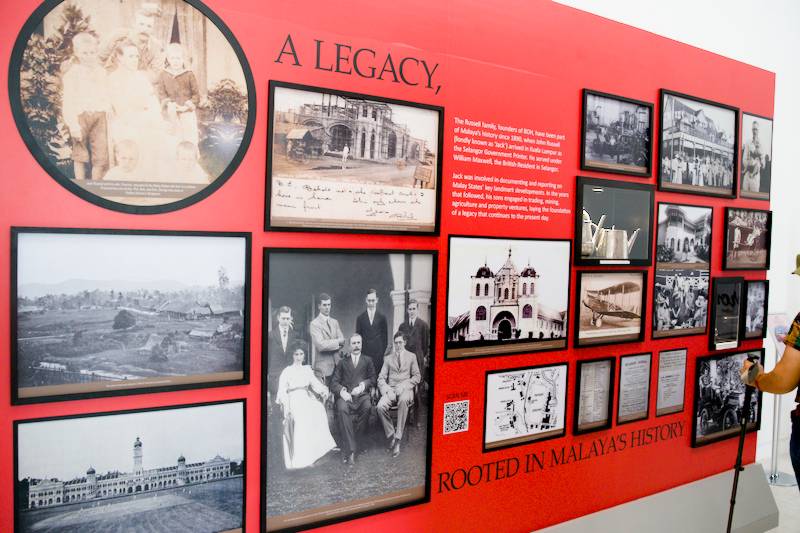
Next, we explored the perpendicular corridor on the first floor. Not far from there is the Heritage Chamber, a small exhibition space that highlights the history of BOH Tea.
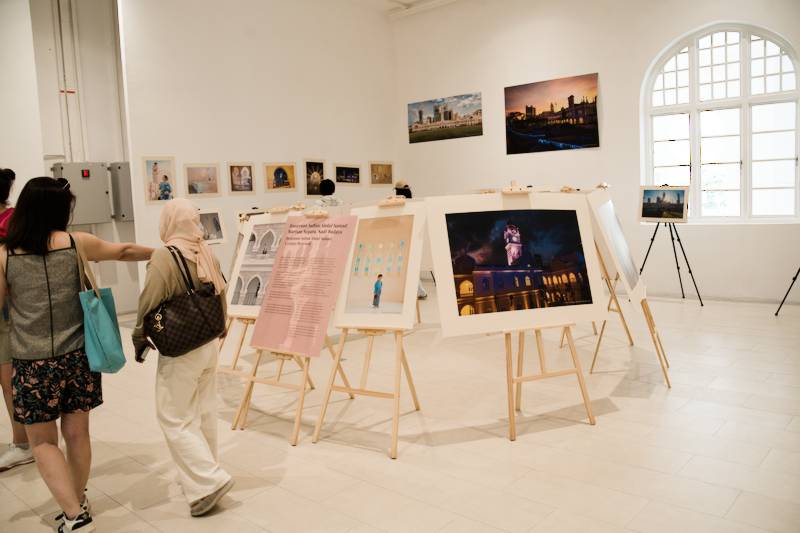
The next stop is the Collector Chamber, where artists showcase mainly their drawings.
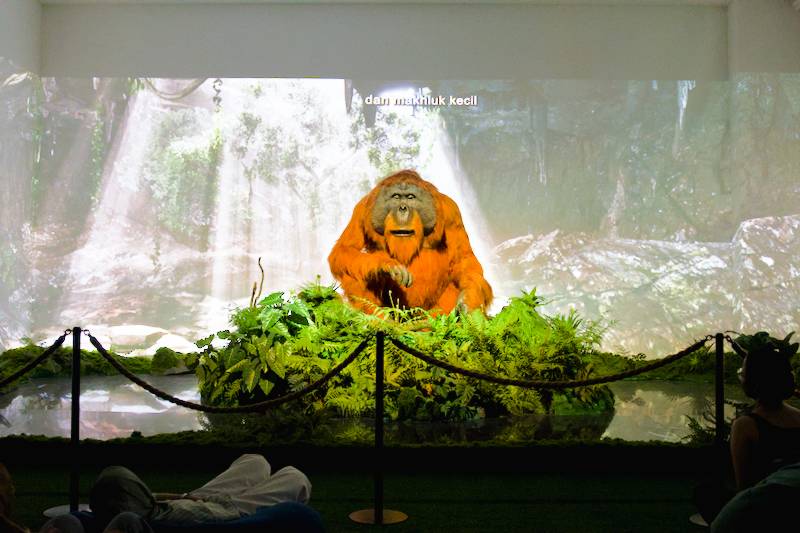
After that, we entered the Hikayat Chamber, which features a short film introducing the diverse and rare wildlife of Malaysia.
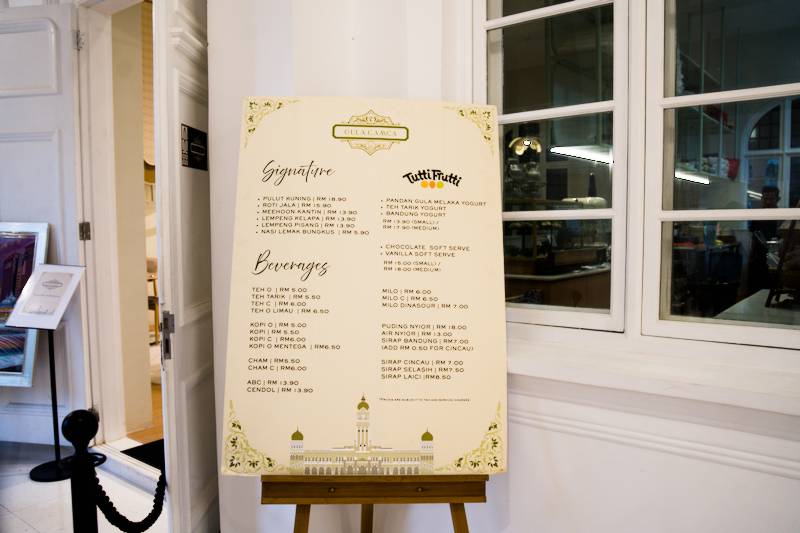
As you walk further in, you will come across Gula Camca Café, where we enjoyed a cup of Teh Tarik during our visit. This café serves sweet drinks and desserts, but it also offers more filling options such as mee hoon, lempeng, and nasi lemak
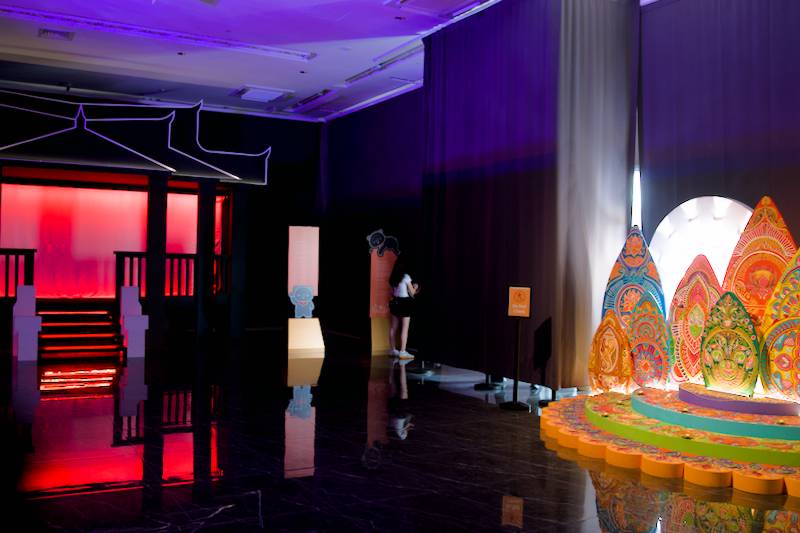
Right next to it is the Harmony Hall, where cultural buildings from the Malay, Chinese, and Indian communities are displayed together in one space.
Best Time to Visit & Photography Tips
I’ve been here twice, and I can confidently say the best time to visit is either early in the morning or after 5 pm. If you plan to walk around the exterior, midday and early afternoon can feel uncomfortably hot.
That said, some eateries and exhibition spaces close earlier in the day, so if you only plan to visit once, the morning is a better choice. On my last visit, I came in the late afternoon and stayed until dusk to capture the golden hour light. Later in the evening, the building becomes even more striking as the lights bring out its details in a whole new way.
Getting There
The Sultan Abdul Samad Building is very well connected, so getting there is quite straightforward, whether you are using the rail or the bus.
- For train access, the most convenient stop is Masjid Jamek Station, which serves both the LRT Kelana Jaya Line and the Ampang Sri Petaling Line. From there, it is an easy and pleasant five-minute walk past the historic Masjid Jamek before you reach the building.
- Another option is to get off at Pasar Seni MRT Station. From there, you can enjoy a ten-minute walk through the heritage area.
- If you are taking the bus, the Pasar Seni Bus Hub is nearby and served by many RapidKL routes. From there, it is only an eight to ten-minute walk.
- If you are driving, parking can be tricky. I recommend parking at Central Market’s paid parking area, which is about a five to ten-minute walk away, depending on your pace.
Where to Eat Inside the Building
Here is a clear summary in a table format based on your blog, focusing on where to get food and drinks inside the Sultan Abdul Samad Building:
| Name | Location | Food Type |
| Selangor Pewter Café | Ground Floor (Left ++side, far end of gallery) | Western-style desserts, cakes, coffee |
| Court House Café | Ground Floor (Right side, back area) | Western-style meals and light dishes |
| BOH Tea Café (small café) | Ground Floor (Right side, near visitor/gift area) | Tea, light drinks, simple refreshments |
| Bake House Café | Ground Floor (Right side, end area) | Café-style food, baked goods, light meals |
| Kopitiam Kaw Kaw (Malaya Kaw Kaw Café) | First Floor (Right side) | Local Malaysian kopitiam food (nasi lemak, toast, traditional dishes, drinks) |
| Gula Camca Café | First Floor (Right-side corridor) | Local drinks (Teh Tarik), desserts, and Malaysian dishes (mee hoon, lempeng, nasi lemak) |
List of Places to Visit
Here is a clear summary table of the main places to visit (excluding eateries) inside the Sultan Abdul Samad Building:
| Name | Location | What to See |
| Malaysia Tourism Information Center | Ground Floor (Left side) | Visitor information, travel guidance |
| Selangor Pewter Gallery | Ground Floor (Left side) | Display of pewter items, interactive exhibits, including rare collections and historical pieces |
| School of Hard Knocks (Workshop) | Ground Floor (Left side, connected via underground passage) | Hands-on pewter workshop where you can create your own pewter bowl |
| Visitor Center | Ground Floor (Right side, near entrance) | Information on Kuala Lumpur’s development, building history, and ticketing for exhibitions |
| Confluence Hall | Ground Floor (Right side) | Story of Kuala Lumpur’s growth from a mining town (1820) to the Federal Territory (1974) |
| Visionary Hall | Ground Floor (Right side) | Kuala Lumpur skyline, future city plans, large city model, multimedia displays |
| Gift Shop | Ground Floor (Right side) | Souvenirs, postcards, and heritage-themed items |
| Internal Garden | Ground Floor (Central area) | Open courtyard surrounded by the building, great for photos and appreciating architecture |
| Heritage Chamber | First Floor (Right side) | Exhibits on BOH Tea history |
| Collector Chamber | First Floor (Right side) | Art displays and drawings by various artists |
| Hikayat Chamber | First Floor (Right side) | Short film about Malaysia’s wildlife and natural heritage |
| Harmony Hall | First Floor (Right side) | Cultural displays showcasing Malay, Chinese, and Indian heritage |
| First Floor Corridor (Architecture Walk) | First Floor (Front & Left) | Contrast of Islamic and colonial architectural styles along the corridor |
| Open Viewing Area (Dataran Merdeka Viewpoint) | First Floor (Front) | Scenic view overlooking Dataran Merdeka, a popular photography spot |
🎥 Watch our video at Sultan Abdul Samad Building
We’ve put together a video from this trip, which you can watch on YouTube by clicking the image below. Until then, we’ll continue to explore new places and share our experiences with you on our next adventure.