
I traveled to northern Vietnam two years ago, captivated by the energy of Hanoi, the stunning limestone scenery of Ninh Binh, and the spectacular seascape of Ha Long Bay. That journey left a lasting impression and made one thing clear: there was still so much more of Vietnam to explore.
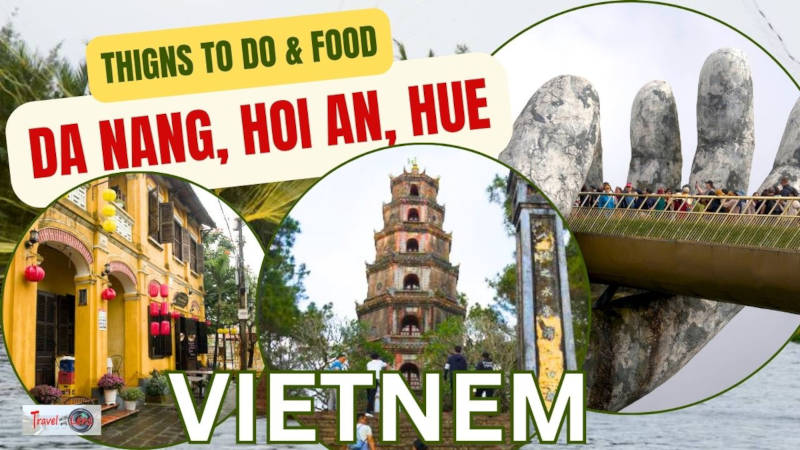
This time, the destination was Central Vietnam. Over six days, we explored the coastal city of Da Nang, the lantern-lit streets of Hoi An, and the historic imperial capital of Hue.
Day 1 – Arrival in Da Nang and Transfer to Hoi An
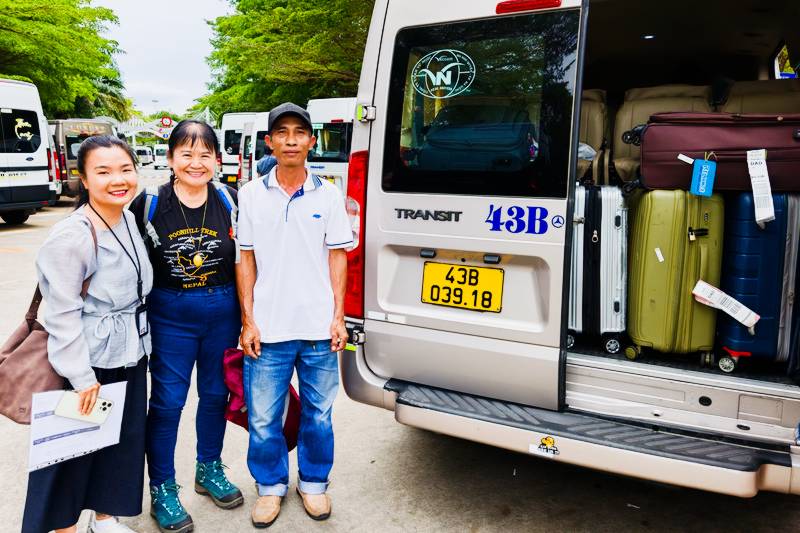
Our journey began with a morning flight from Kuala Lumpur to Da Nang. After landing at Da Nang International Airport, we were greeted by our local guide, Di, before heading south toward Hoi An.
The drive took less than an hour, passing coastal scenery and small villages along the way. The plan was to arrive in Hoi An first and then have their specialty noodles, called Cao Lầu, for lunch.
Cao Lầu for Lunch
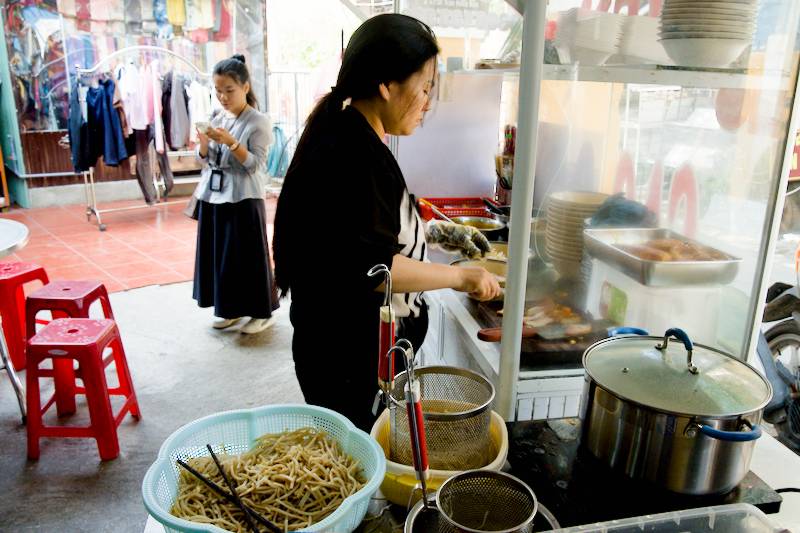
Cao Lầu is a famous dish unique to Hoi An. Di took us to a small shop that specializes in this noodle dish, the kind locals love to patronize.
The noodles are thick and chewy, topped with slices of marinated pork, fresh herbs, bean sprouts, and crispy fried rice crackers. Only a small amount of savory clear broth is added, making it more of a dry noodle dish than a soup.
One standout ingredient is a type of leaf called fish mint, or Giấp Cá. It has a slightly fishy taste, which is actually how it got its name. It has a unique flavor I haven’t encountered anywhere else.
We were delighted to enjoy authentic local food from the start of our trip, rather than dishes prepared specifically for tourists.
Bay Mau Water Coconut Forest
After enjoying the delicious Cao Lầu, we made our way to the countryside near Cam Thanh village. This area is known for its sprawling water coconut forest.
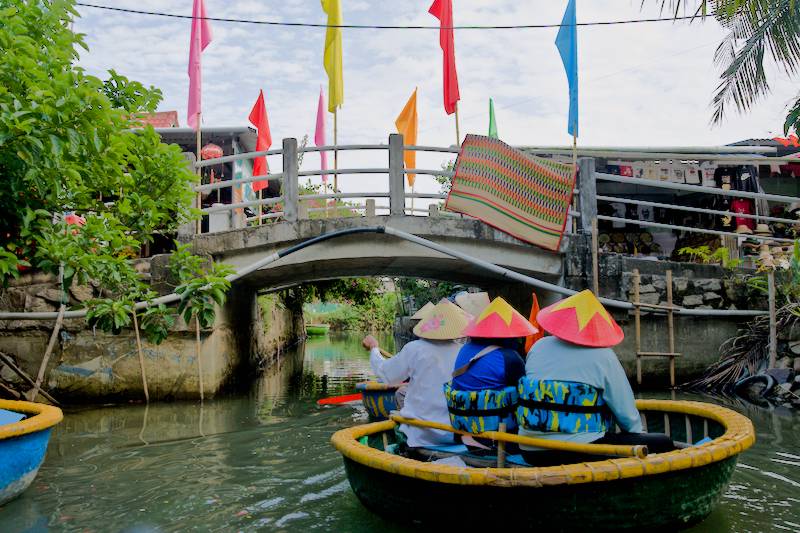
Bay Mau Coconut Forest carries an interesting history. During the Vietnam War, its thick palms and winding canals provided natural cover for villagers and resistance fighters. Now, it has transformed into a unique eco-tourism spot, with nipa palms (water coconut tree) lining a maze of narrow waterways, creating a serene, almost magical landscape.
We hopped onto round basket boats, each holding two to three passengers plus the boatman. They are colorful, surprisingly comfortable, and traditionally made from woven bamboo coated with resin.
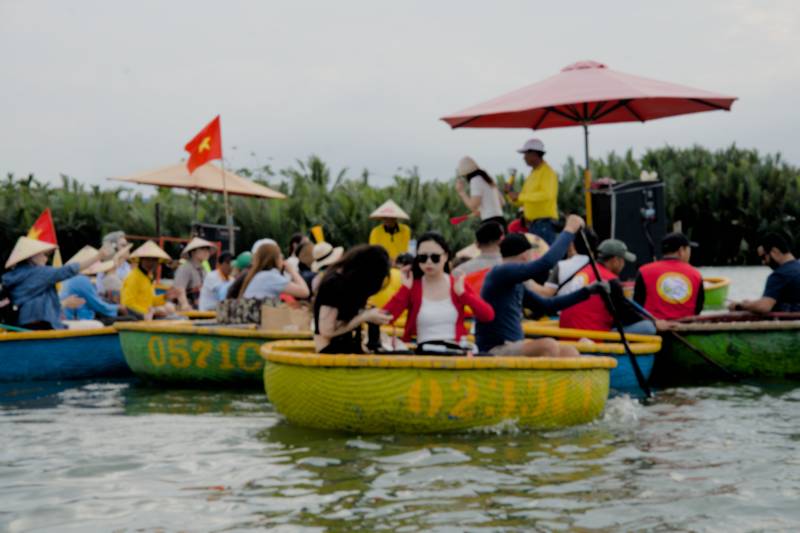
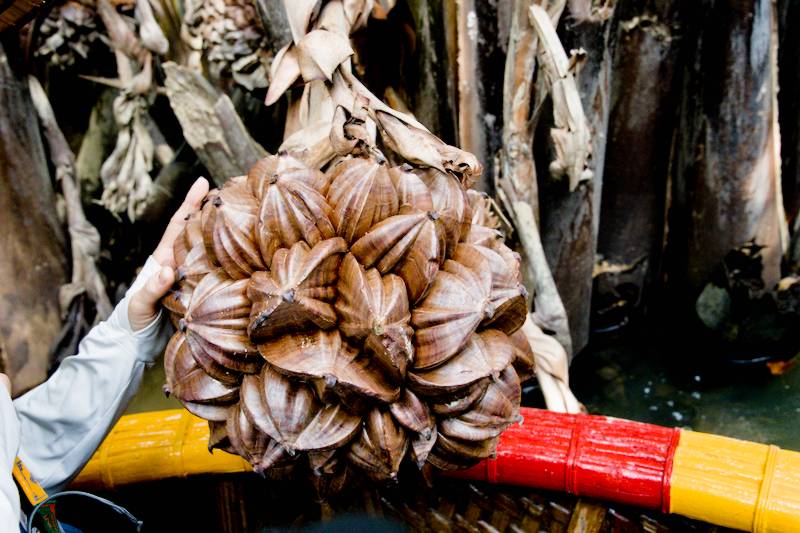
Our boatman paddled us gently through the coconut groves along the calm canals. The air was cool, the water smooth, and the palm shade kept the afternoon sun at bay. Along the way, the boatmen pointed out the sea coconuts, which look quite different from the coconuts we usually eat.
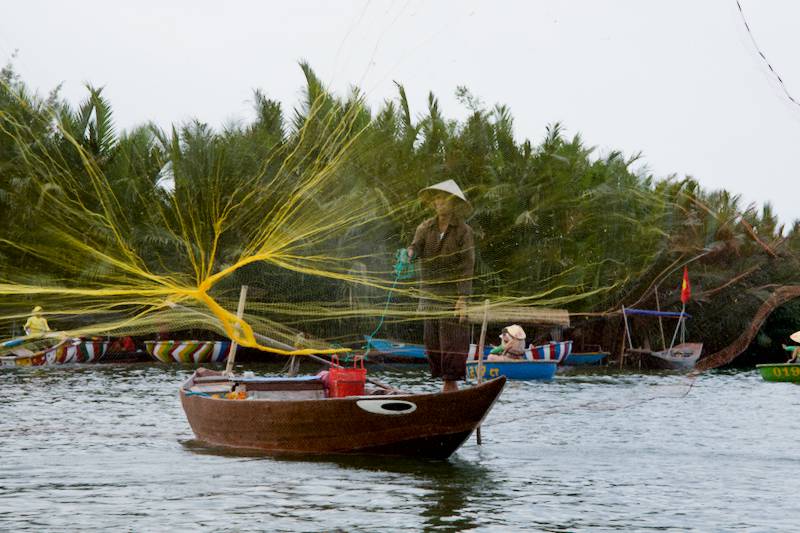
Some of the boatmen even showed off their skills by spinning the boats in fast, rocking circles, which was thrilling to watch. There was also a small stage along the canal where locals sang and danced. Sure, it felt a little touristy at times, but it was still a really fun experience from start to finish.
The Ancient Town of Hoi An at Night
Later in the afternoon, we headed back to Hoi An and checked into the Royal Riverside Hoi An Hotel, right along the Thu Bồn River. The ancient town was just a fifteen-minute leisurely walk away, which made our stay super convenient.
As evening fell, we wandered along the riverbank toward the ancient city, a UNESCO World Heritage site. The streets leading into town were already buzzing with energy. Vendors were selling all kinds of local street food, and riverside cafes offered the perfect spot to soak in the lively atmosphere.
Once inside, tourists strolled past well-preserved ancient buildings, and colorful lanterns lit up the streets, reflecting beautifully on the river. With no motor vehicles allowed, exploring on foot was easy and safe.
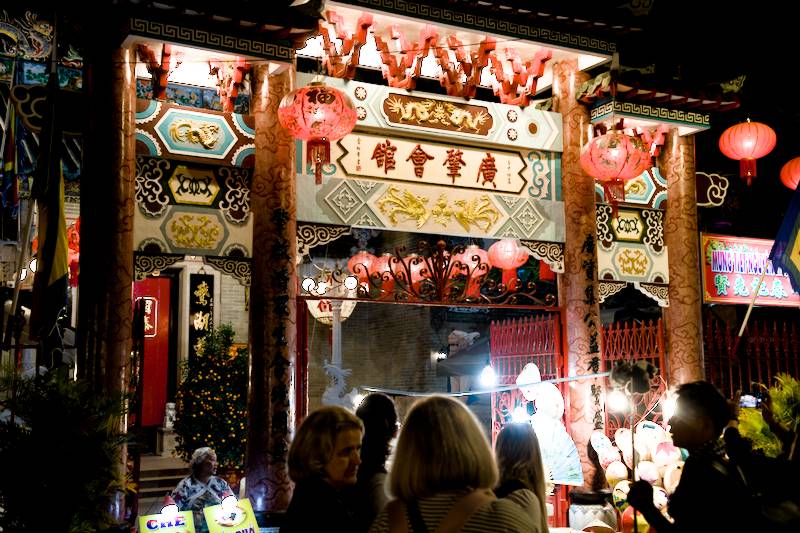
Some of the highlights we visited included the Japanese Covered Bridge, a 16th–17th century bridge built by the Japanese community, and the assembly halls built by Chinese traders from the Fujian and Cantonese regions.
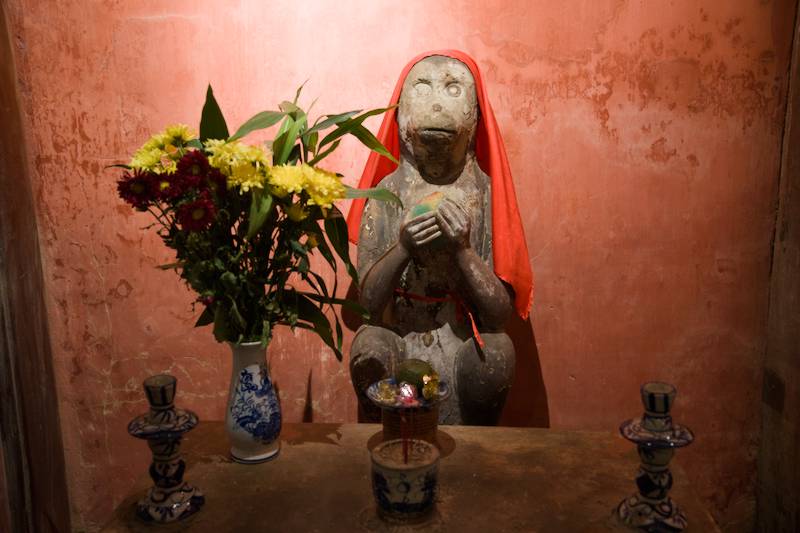
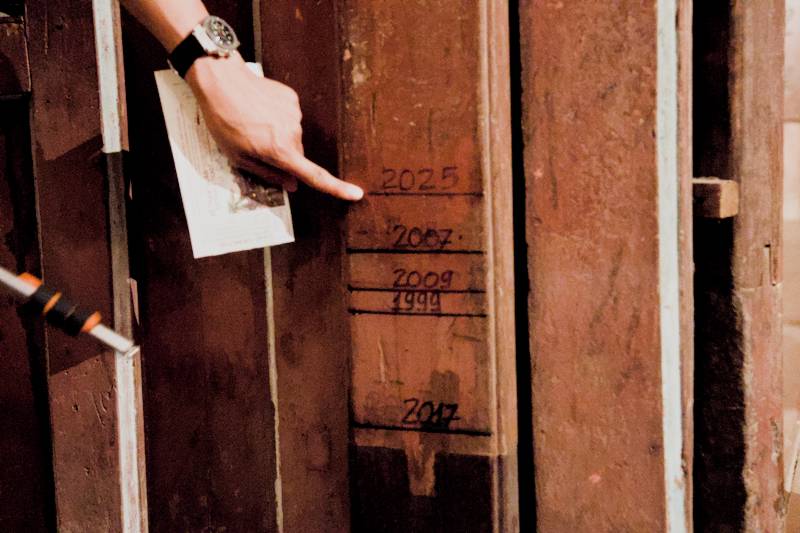
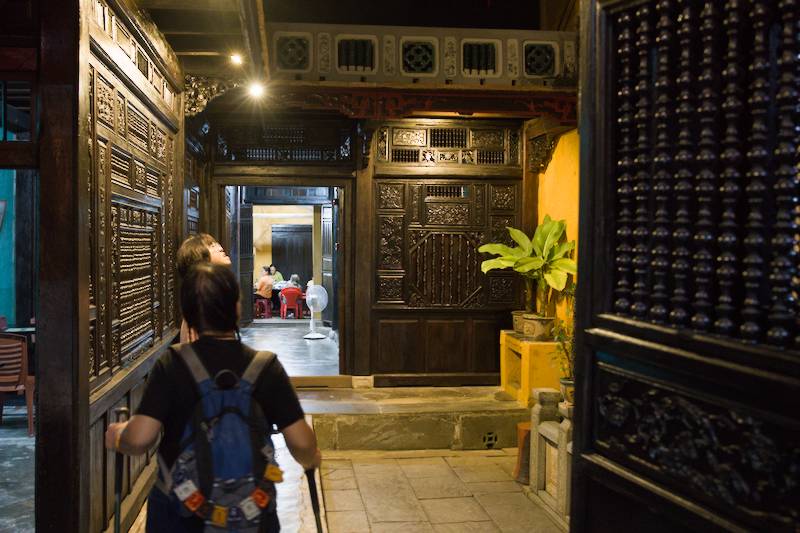
These halls once served as meeting spots, temples, and social centers for merchants. We also checked out a centuries-old house and tried some traditional handmade dumplings.
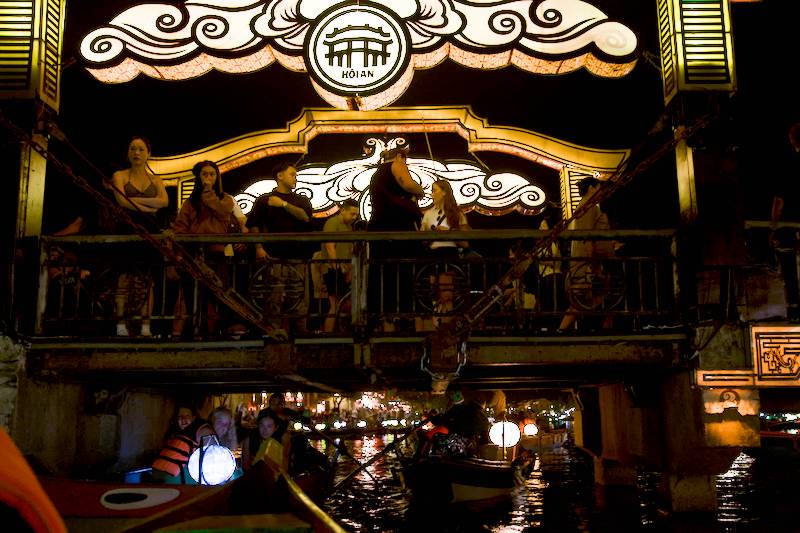
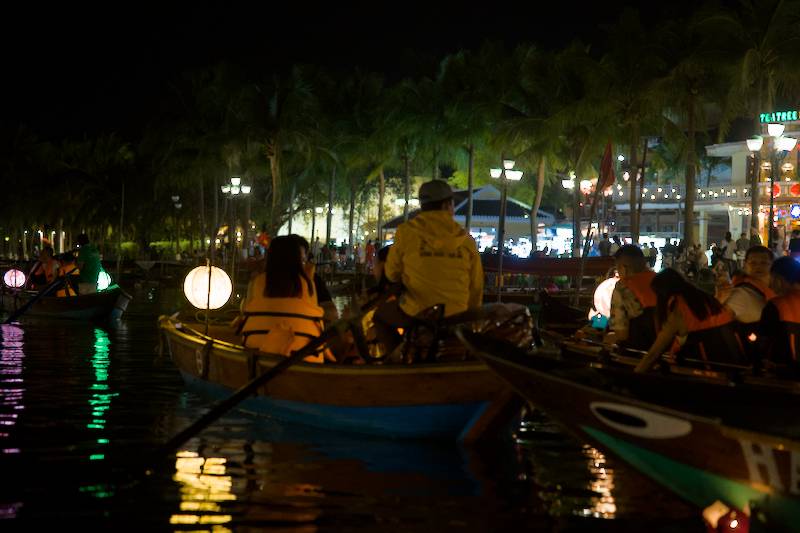
To wrap up the evening, we took a boat ride along the Bồn River. The boatman handed us small lanterns and asked us to set them afloat. I’m not sure what the exact meaning was, but releasing them and letting them drift away slowly was just plain fun.
Chicken Rice at Bà Vân
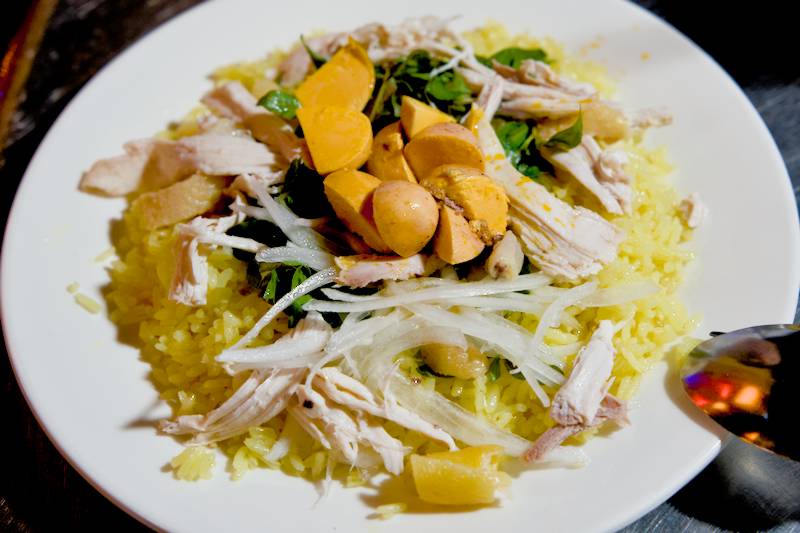
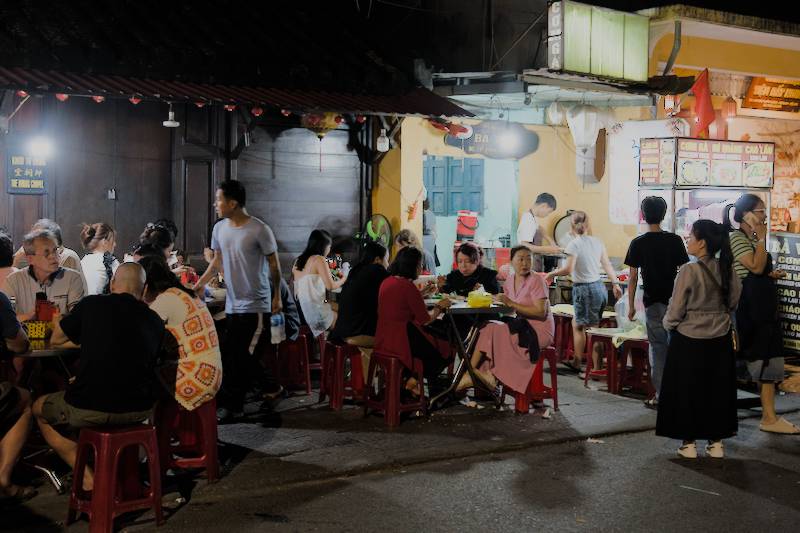
For dinner, we tried the local Vietnamese chicken rice, or Cơm Gà. We had planned to go to a place called Hong Chicken Rice just outside the ancient town, but it was closed. Instead, we ended up at another spot called Bà Vân, which was just as busy. The restaurant is small and right by the roadside, but we knew that little street-side spots often serve the best local flavors.
The chicken rice here was quite different from that in Malaysia. The chicken came boneless, and the rice was much wetter, probably drizzled with some savory stock, though I couldn’t tell exactly. Whatever it was, it was absolutely delicious.
Day 2 – Hoi An and My Son Sanctuary
With some free time the next morning, we returned to the ancient town once more. With the soft sunlight and far fewer crowds, the place felt completely different. It was peaceful and unhurried, and the gentle morning light created perfect conditions for photography.
The Ancient Town of Hoi An in the Morning
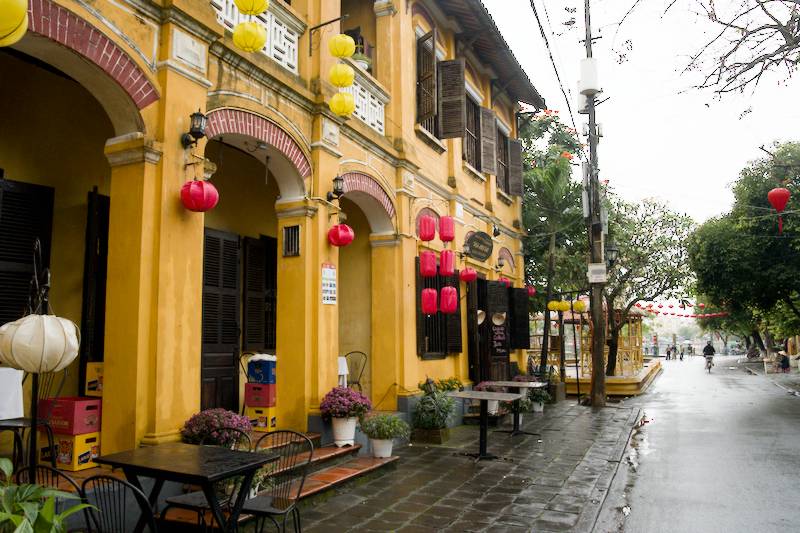
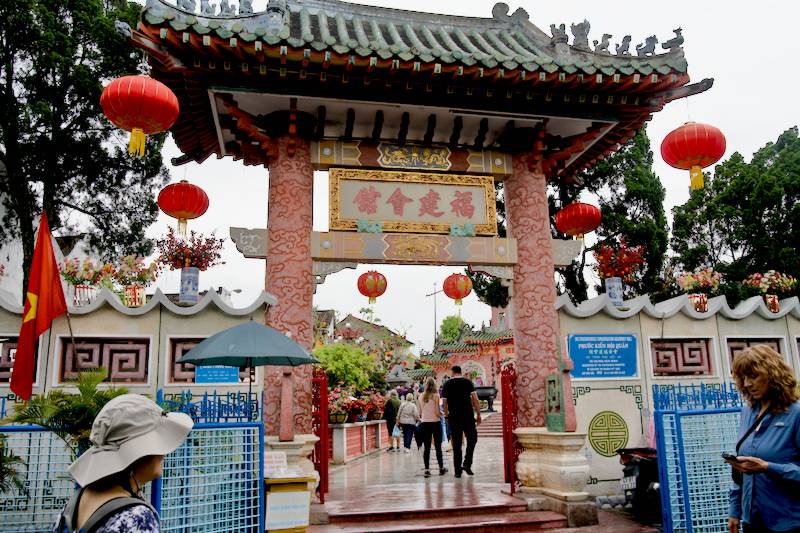
We visited a few places we had missed the night before, including the Fujian Assembly Hall. Besides serving as a gathering place for the Fujian community in the past, the hall also functions as a temple. The architecture is beautiful, with ornate decorations and a calm atmosphere that invites you to slow down and take a closer look.
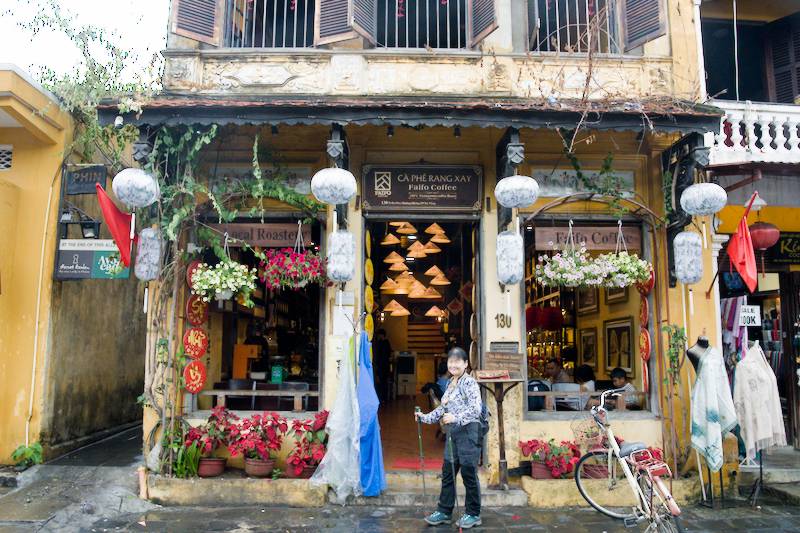
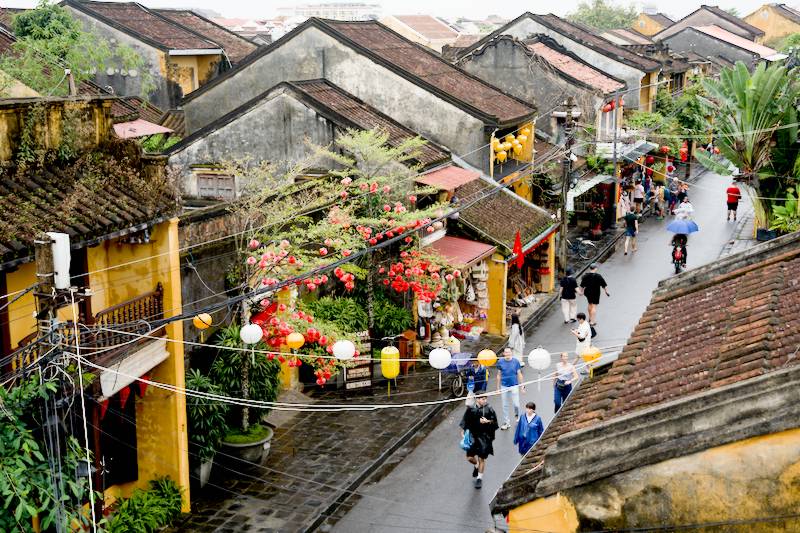
After that, we stopped at Faifo Coffee, recommended by our guide, Di. The café is located in a traditional three-story building. We ordered their famous salt coffee and headed up to the top floor. From there, we had a wonderful bird's-eye view of the entire ancient town.
We also stopped by the nearby Hoi An Market to get a glimpse of everyday local life. The market has different sections selling all kinds of goods. One area is packed with dried foods, while another sells fresh vegetables. As we walked further, we reached the section near the river where vendors were selling live fish.
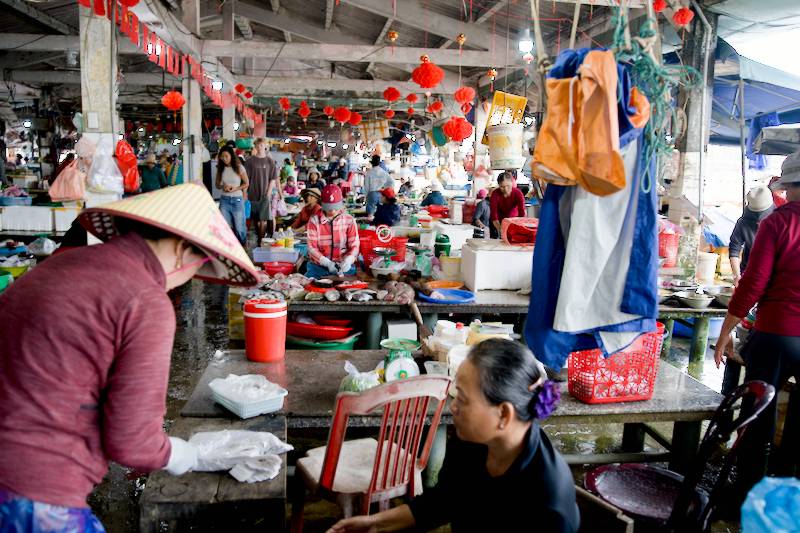
There were also many food stalls serving local street food. Still, we decided to save our appetite and head to Madam Khanh to buy a bánh mì for lunch instead.
Madam Khanh
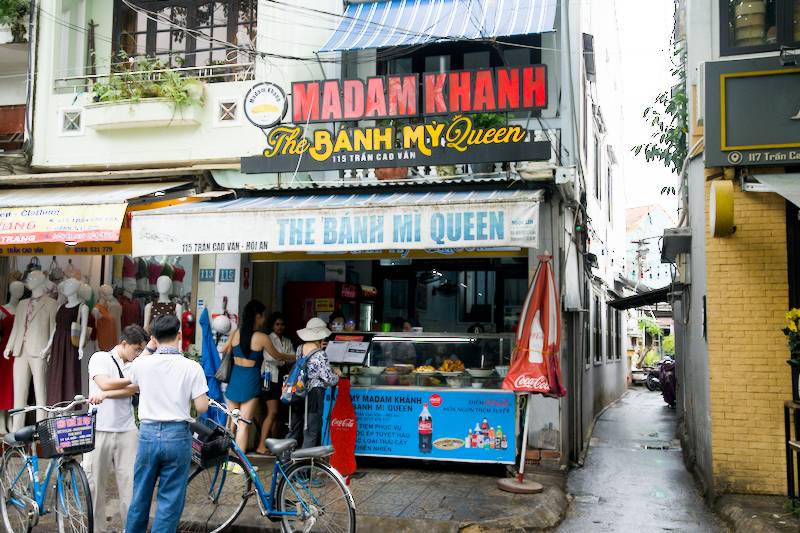
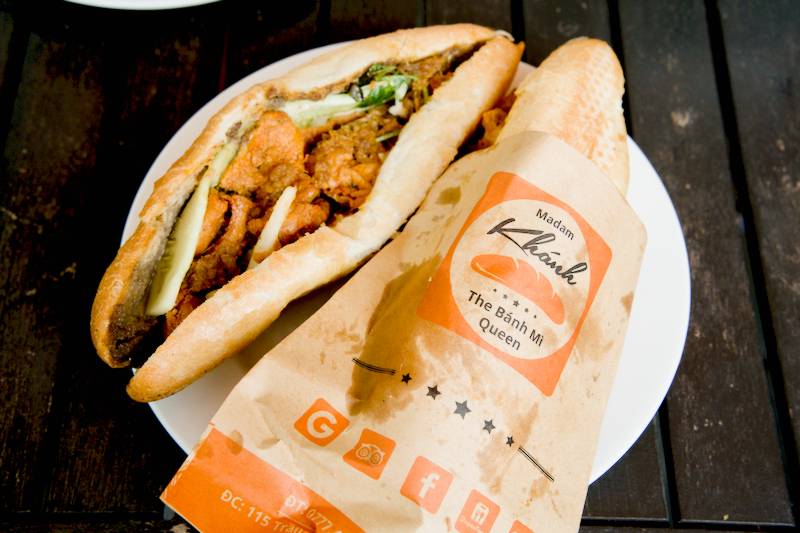
Madam Khanh is one of the most popular Banh Mi spots in Hoi An. It started in 1975 and is widely known as The Banh Mi Queen because of the many positive reviews on travel sites. We grabbed some to take away and ate them in front of our hotel. They stayed perfectly crispy even after the short trip back, and the flavors and textures were perfectly balanced.
My Son Sanctuary
Later in the day, we headed inland to visit the ancient ruins of My Son Sanctuary. This was an extra stop we added on our own, as it was not part of our original tour package. We really wanted to include it because it is one of the most important historical and archaeological sites in Vietnam.
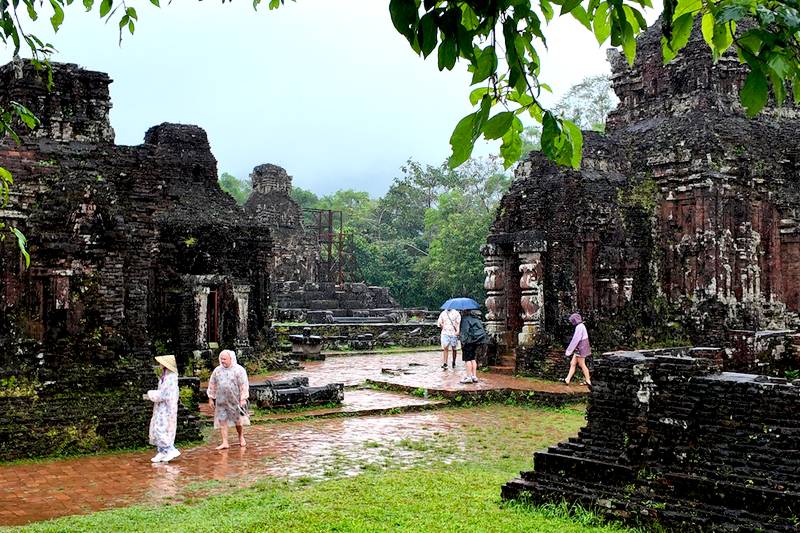
It took about an hour to get there from Hoi An. By the time we arrived, a drizzle had started, and we were a bit caught off guard since the visit involved quite a bit of walking in open areas.
After buying our tickets, we stopped at the exhibition hall before heading into the ruins. Large display panels explained the history of the site, including the damage it suffered during the war. Artifacts from archaeological excavations were also on display. Together with the detailed explanations on the wall panels, it gave us a good overview before exploring the ruins.
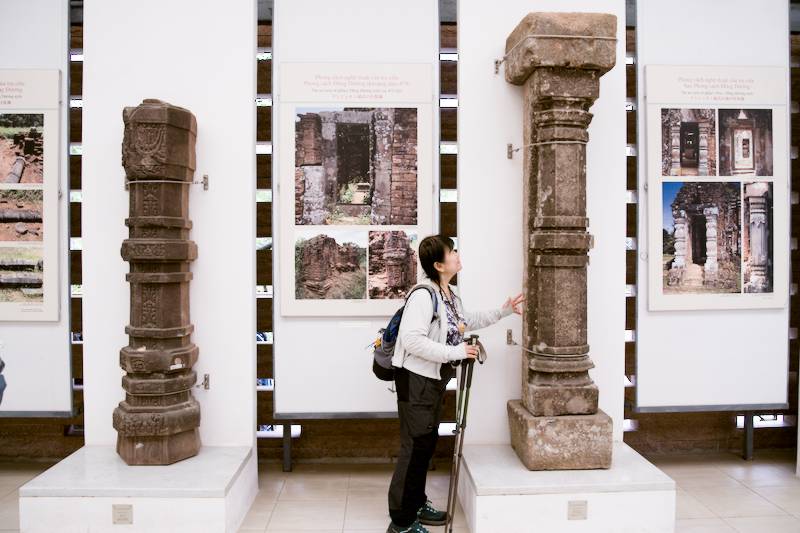
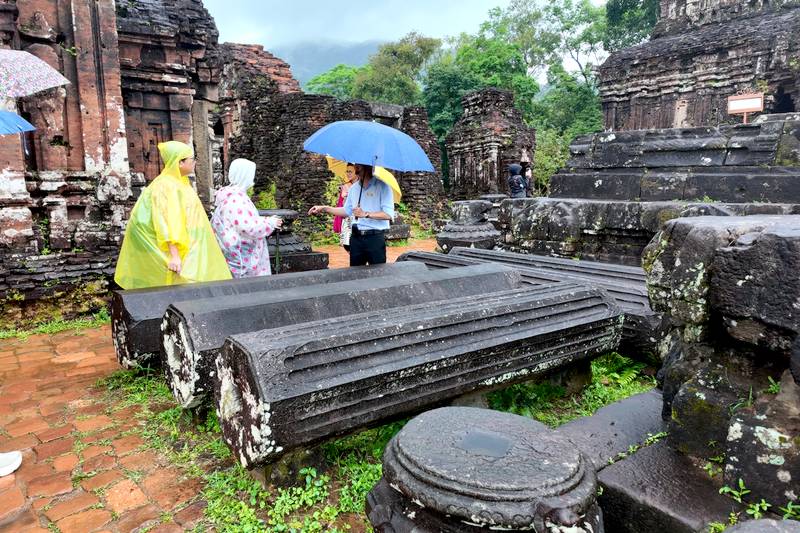
We decided to hire an English-speaking guide to walk us through the site. With the rain coming down, we had to put on our raincoats and open our umbrellas.
Before visiting the ruins, we watched a traditional Cham dance performance at the hall. It was a nice introduction and helped set the mood for what we were about to see.
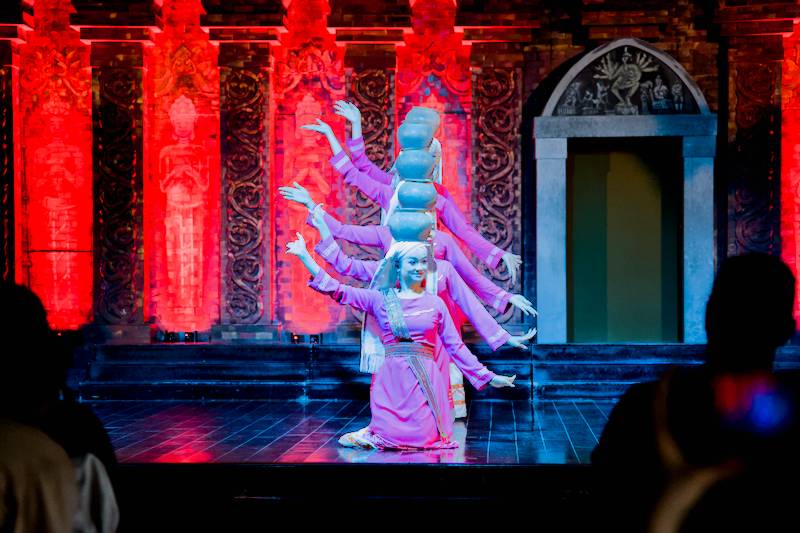
My Son once served as the spiritual and religious center of the Champa Kingdom. This powerful kingdom thrived in central Vietnam for many centuries and maintained strong cultural and trading connections with India and other parts of Southeast Asia. Because of these influences, many of the temples at My Son were dedicated to Hindu deities, especially Shiva, who was seen as the protector of the Cham kings.
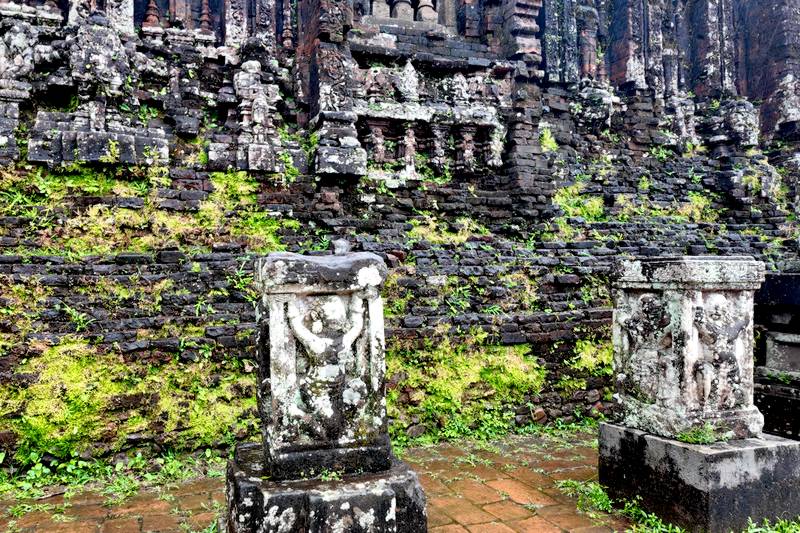
The sanctuary is divided into several groups of ruins. We mainly explored the main clusters known as Groups A, B, and C. Many of the remaining towers have intricate carvings of deities, mythological creatures, and religious symbols, giving a glimpse into the artistic and spiritual world of the Champa civilization.
Our guide, Dau Van Nhan, a local Vietnamese, is very knowledgeable. He explained that the brick temple structures were built between the fourth and thirteenth centuries, with red bricks fitted so precisely that the joints are barely visible. Despite the war damage, some temples have been partially restored.
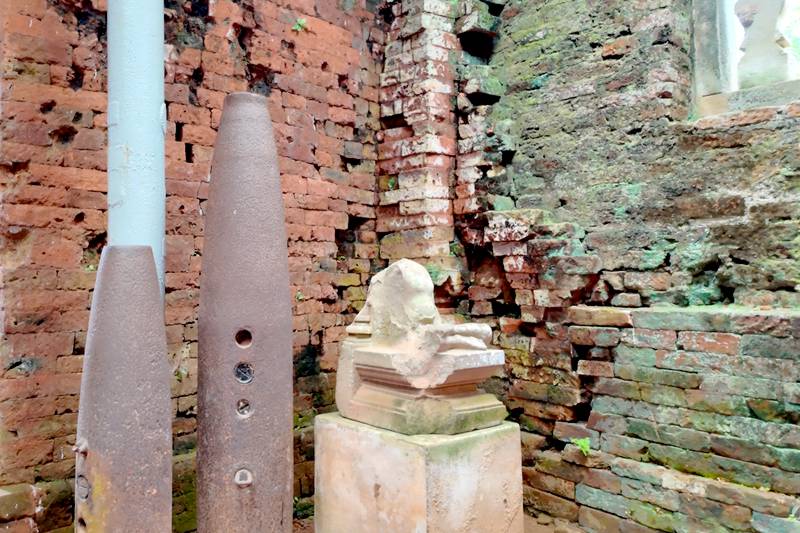
The difference is quite noticeable—the newer bricks are not as tightly fitted, and moss has already started to grow on them.
An All-Vietnamese Food Dinner
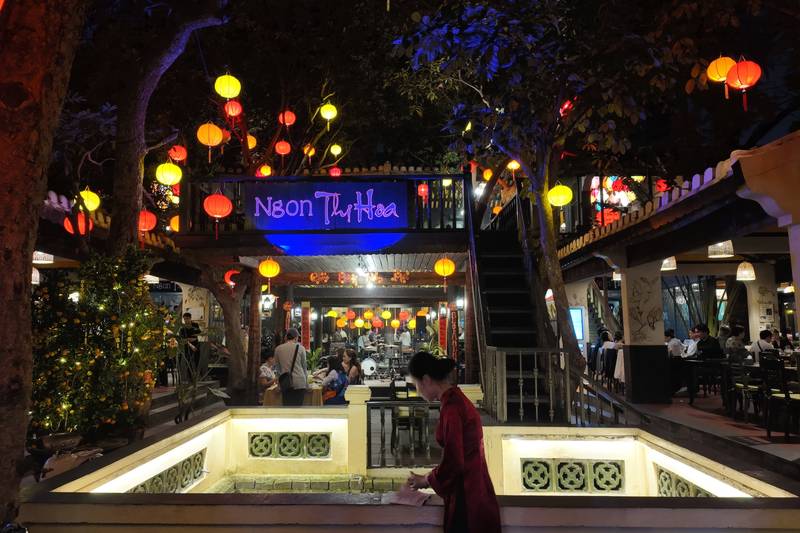
We got back to Da Nang later in the evening and checked into the Santa Luxury Hotel, which is located close to the beach.
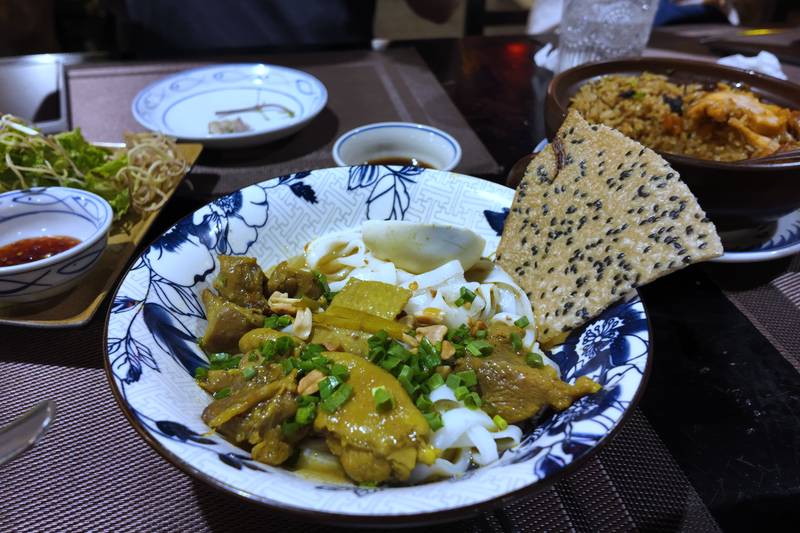
For dinner, we followed our tour guide’s recommendation and headed to Ngon Thi Hoa Restaurant. This place offers a wide variety of traditional Vietnamese dishes. We ordered a selection of local specialties, including Mì Quảng, a well-known noodle dish from central Vietnam that I had been wanting to try for a long time.
The restaurant has quite an elaborate setup, and there was even a live band performing while we were there. It made the whole evening feel lively and added a nice touch to the dining experience.
Day 3 – Discovering Da Nang
The third day of the trip was spent exploring the city of Da Nang.
Marble Mountains
We visited the famous Marble Mountains in the morning. This site is made up of five limestone and marble hills rising from a flat coastal plain just south of Da Nang. In Vietnamese, it is called Ngũ Hành Sơn, which means the Mountains of the Five Elements. Even though the hills are mostly limestone, large deposits of marble were discovered there in the past, which is how the name Marble Mountains came about.
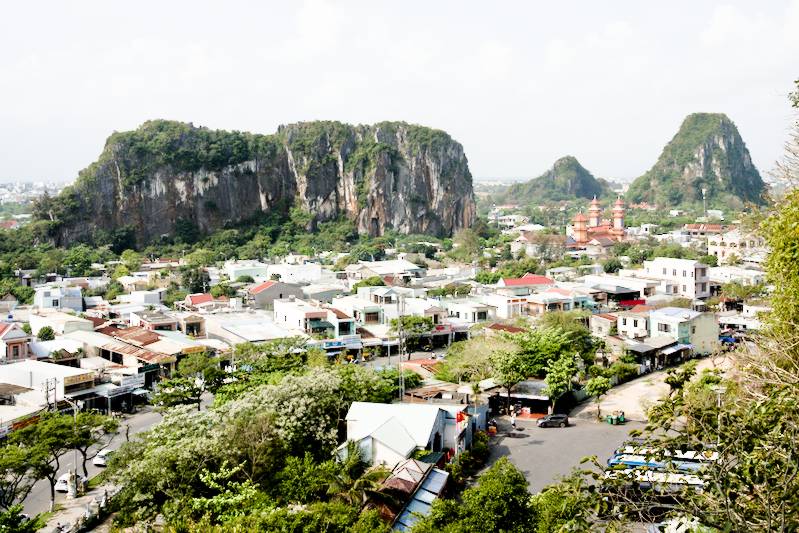
We arrived at Thuy Son, also known as Water Mountain, the main and most visited of the five hills.
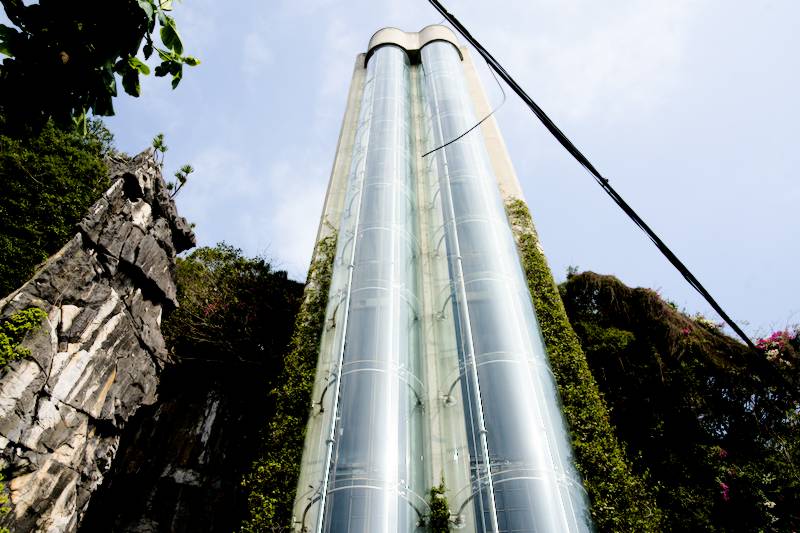
Once at the top, a network of pathways leads through caves, temples, and small shrines. Not all the sculptures are purely Buddhist; some represent figures from Taoism and traditional Vietnamese folk beliefs. There are also traces of Cham influence in certain carvings and artistic details, which originally came from Hindu traditions.
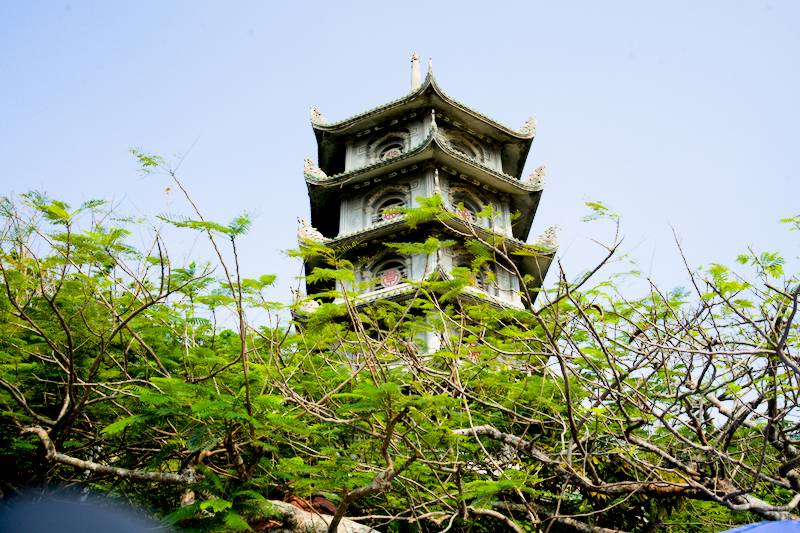
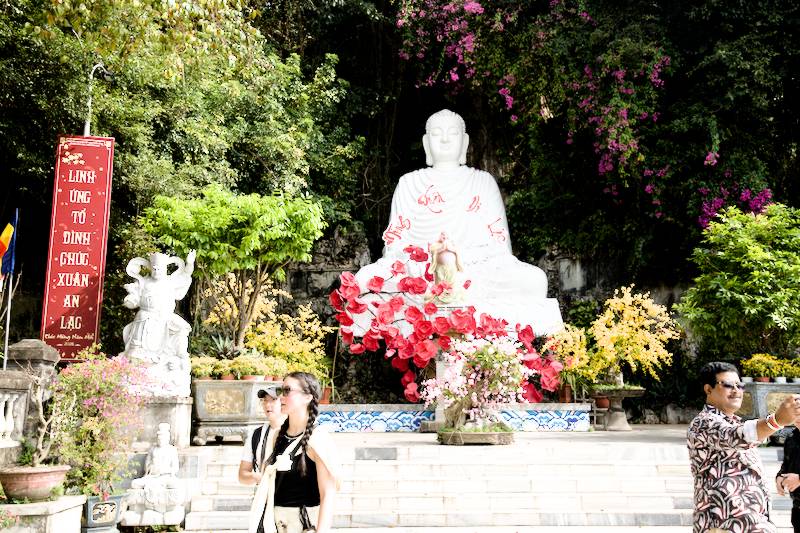
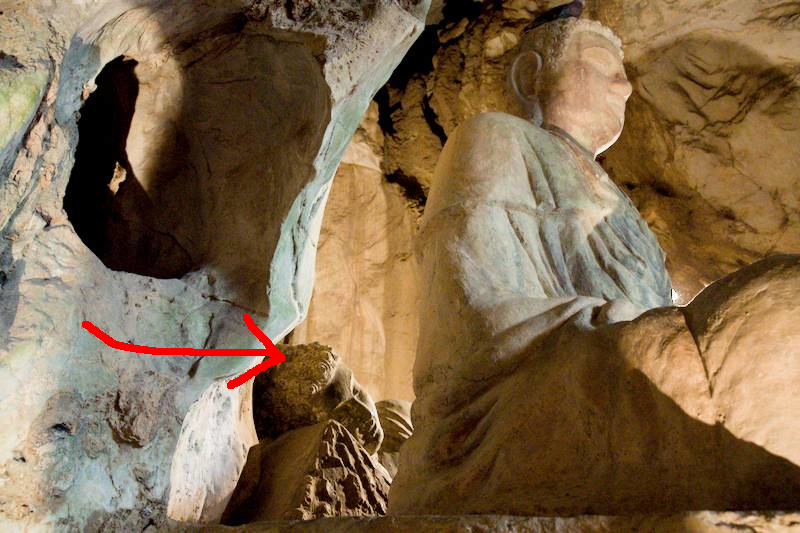
One statue that really caught my attention was inside Tan Chon cave. At the front sits a Buddha statue, but behind it, there is another reclining Buddha statue. Our guide explained that there is a steep drop just behind the statue, which can be dangerous. To prevent accidents, the reclining Buddha was placed there to block access and make the area safer.
Monkey Mountain
After that, we drove to the scenic Son Tra Peninsula, a stretch of land that extends into the sea northeast of Da Nang. The area is often referred to as Monkey Mountain because of the large population of monkeys that live there, although we did not spot any that day.
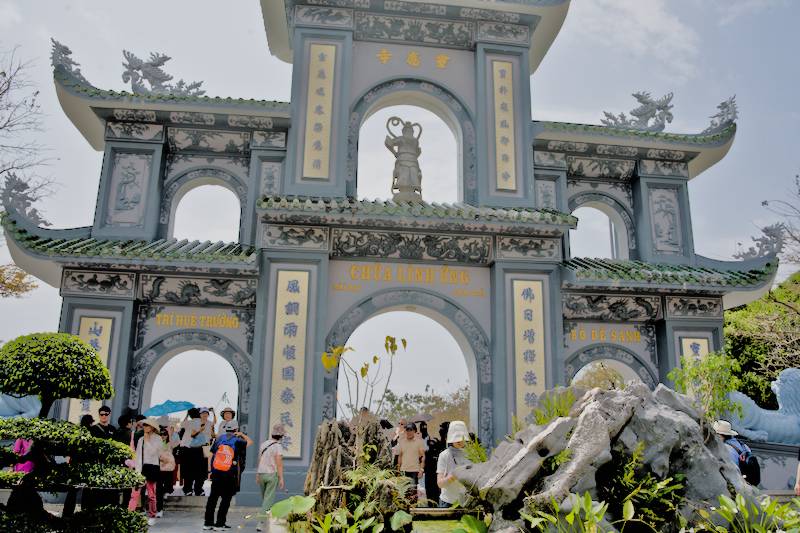
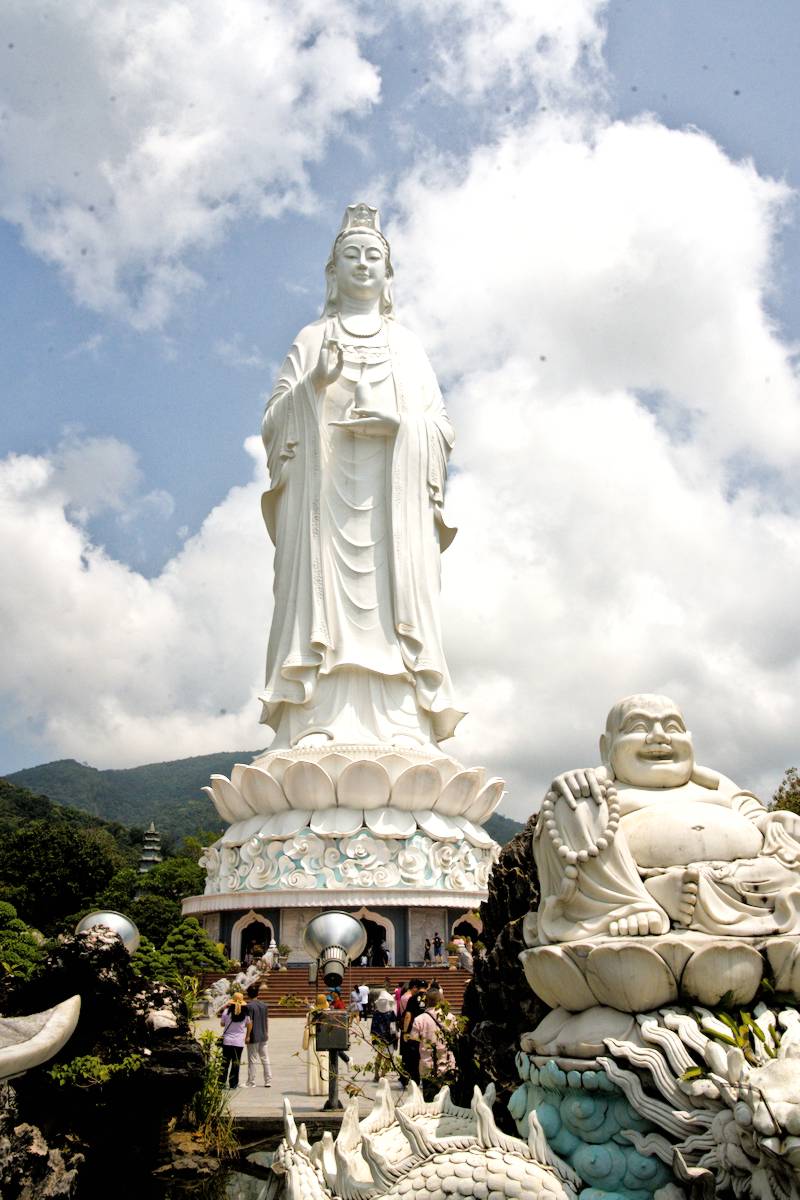
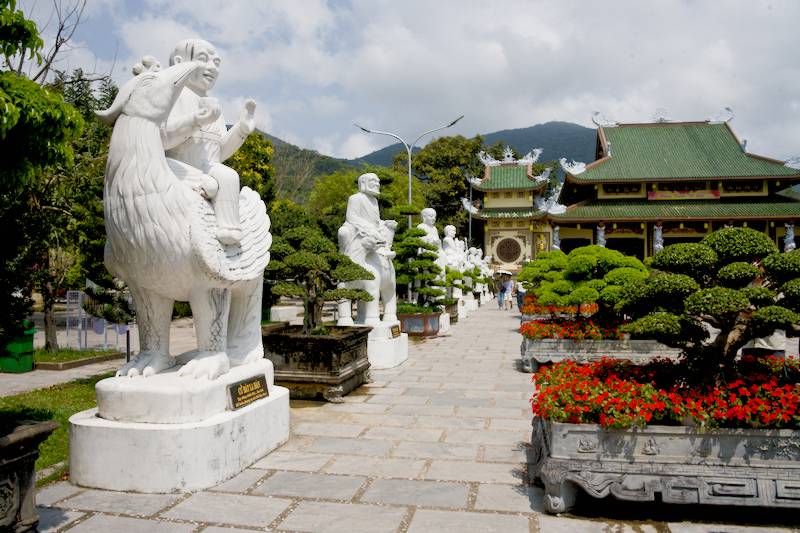
The most important landmark here is Linh Ung Pagoda. We had actually visited another pagoda with the same name earlier at the Marble Mountains, so now we knew there is more than one. There is a towering white statue of the Goddess of Mercy (Guanyin), also called the Lady Buddha in English, though she is actually a bodhisattva in Buddhism.
Bánh Xèo for Lunch
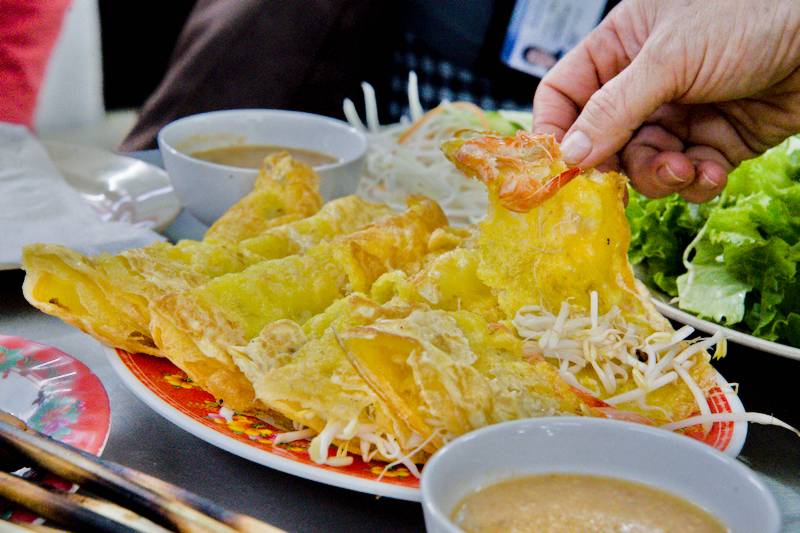
We had lunch at Bà Ngọc, where we tried bánh xèo, often translated as the Vietnamese pancake in English. But it is very different from the Western pancake.
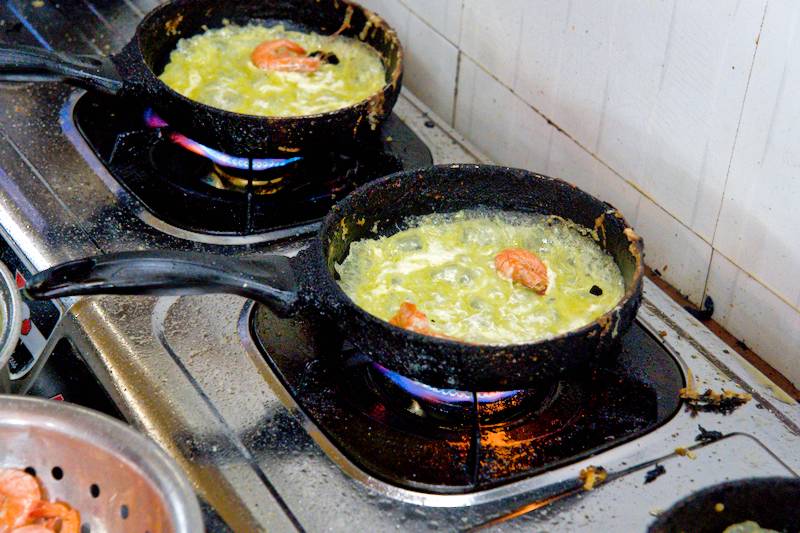
Our guide showed us how to eat it: wrap the crispy pancake with fresh vegetables and grilled pork in a piece of rice paper, then dip it into nước chấm, the classic Vietnamese fish sauce.
We really appreciated that our guide often brought us to specialty shops focusing on just one dish. Bà Ngọc is known for its bánh xèo, and it did not disappoint.
Han Market
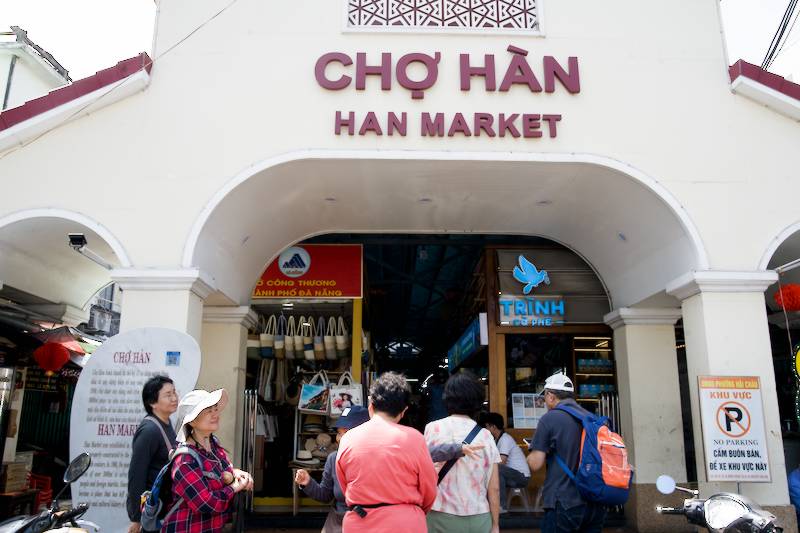
Han Market is one of the busiest markets in Da Nang, and stepping inside gives you a strong sense of the city’s energy. The market has two levels. The ground floor mainly sells fresh fruits, vegetables, seafood, meat, and dried goods. Upstairs, the focus shifts to non-food items like clothing, shoes, accessories, and household goods.
The place is packed and constantly buzzing. We picked up a pair of shoes, but what really stayed with me was how tight and crowded everything felt. It is a full sensory experience, with a mix of smells, colors, and sounds all around. The aisles are so narrow that barely two people can pass at the same time. There were moments when it felt almost impossible to turn around without bumping into someone or knocking into something.
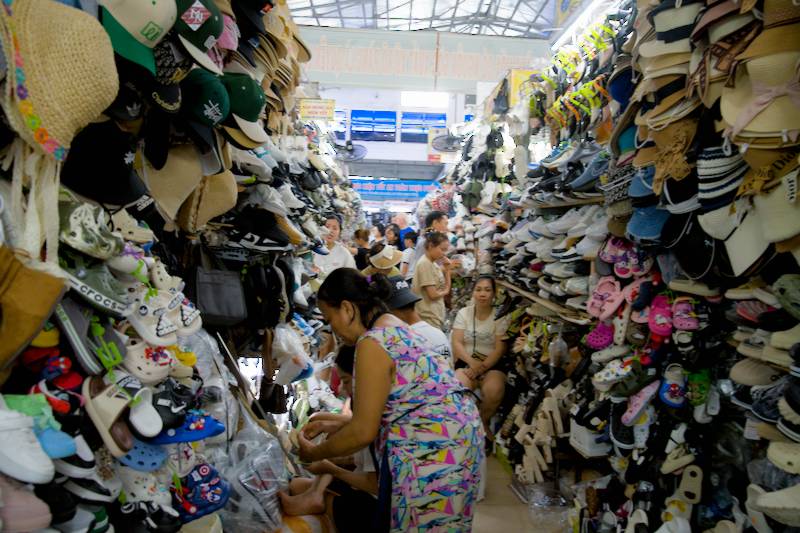
That intense, crowded atmosphere ended up being the most memorable part of the visit and is the first thing that comes to mind whenever I think about this market.
Da Nang Cathedral
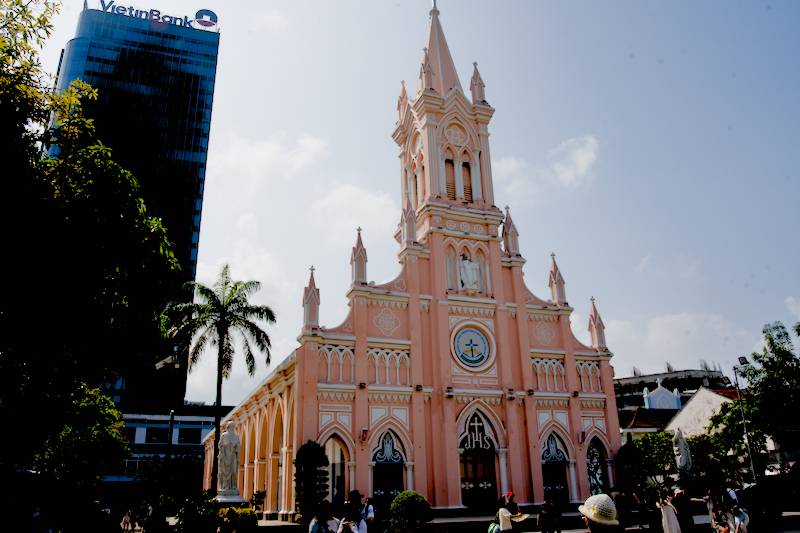
Da Nang Cathedral, playfully known as the Chicken Cathedral, has a large weathercock perched on its steeple. It is also called the Pink Church because of its distinctive pastel pink exterior. It is within walking distance of Han Market.
Built by the French in 1923, the cathedral is one of the most recognizable landmarks in the city. Visiting it offers a chance to admire both its architecture and quirky local personality, making it a favorite stop for tourists and photographers alike.
Love Bridge and Dragon Bridge
Before heading back to the hotel, we made one last stop at the Love Bridge. As the name suggests, couples write their names or messages on a padlock and attach it to the railing as a symbol of their love.
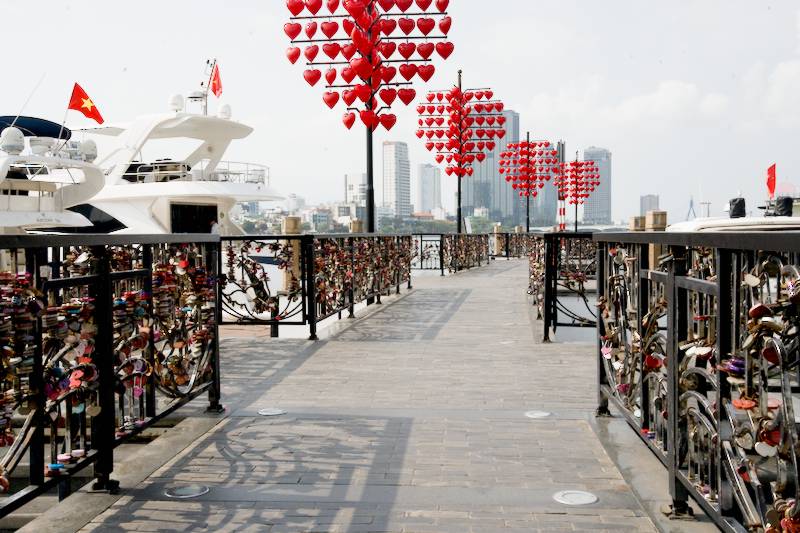
Love Bridge offers one of the best views of the famous Dragon Bridge. Stretching across the Han River, the bridge is designed in the shape of a golden dragon. On weekends at night, there is a special show where the dragon breathes fire. Unfortunately, we did not catch the performance that evening since no show was scheduled. Still, the area was lively, and we learned that when the show happens, nearby roads are usually closed before dusk so people can gather safely to watch.
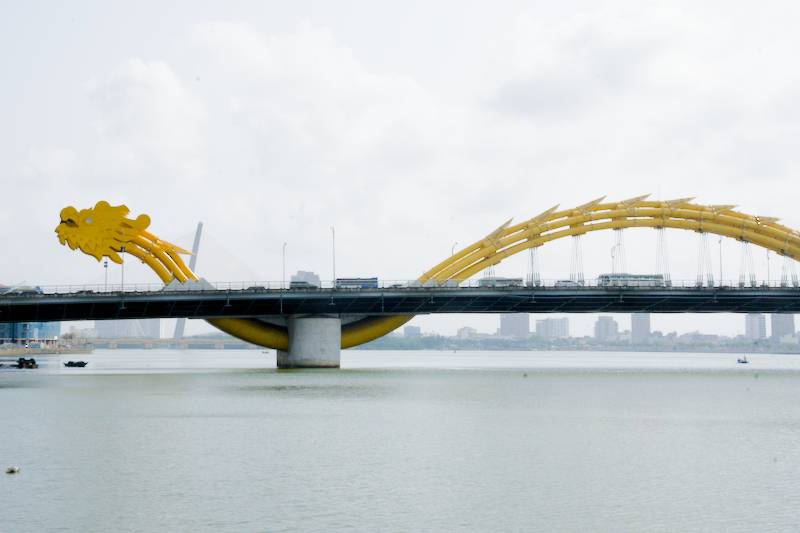
After a full day exploring the highlights of Da Nang, we had the rest of the evening free to relax.
Day 4 – Ba Na Hills and the Golden Bridge
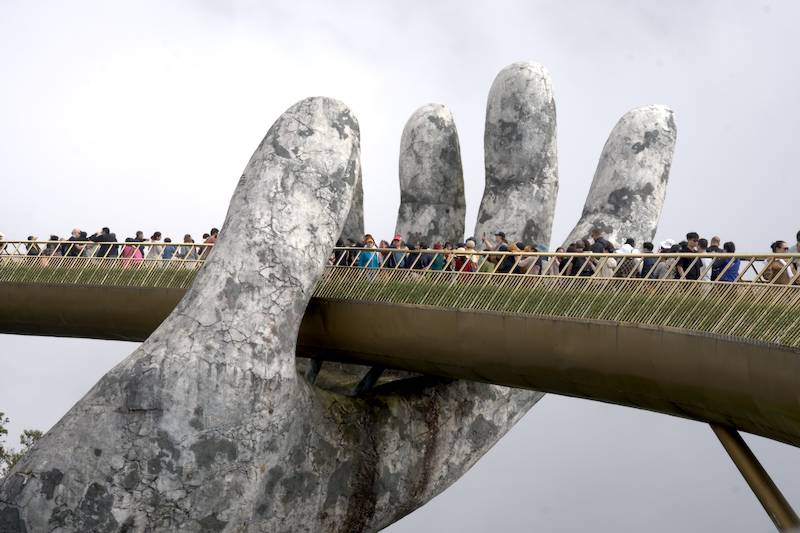
The highlight of our Central Vietnam trip had to be Ba Na Hills.
We grabbed our tickets and headed to the cable car station. Our guide told us it is apparently the longest cable car in the world, going straight to the top without stopping.
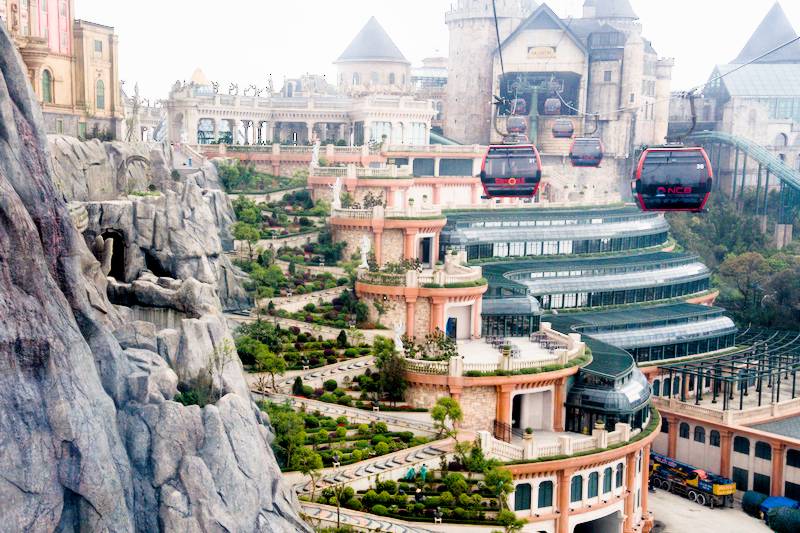
As we slowly floated over a tiny stream and through mist that made everything look dreamlike, the air grew colder the higher we went. By the time we reached the summit, it felt like we had entered a world of fog and mystery.
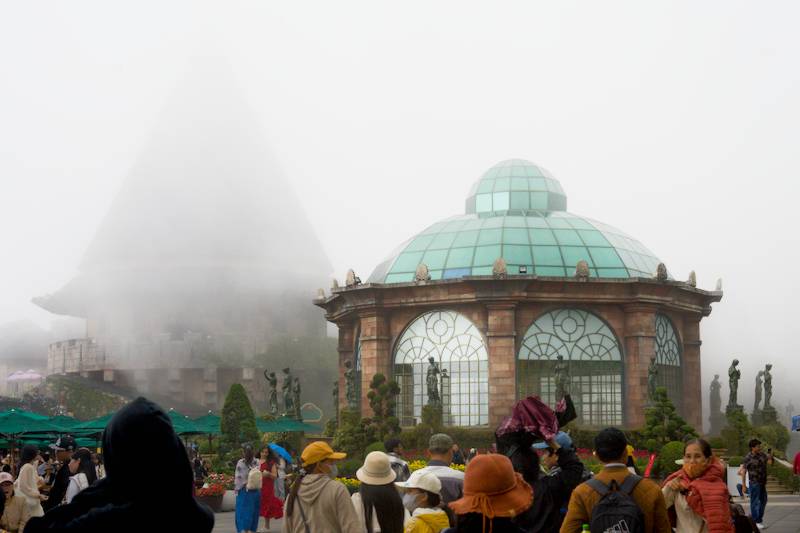
The Golden Bridge
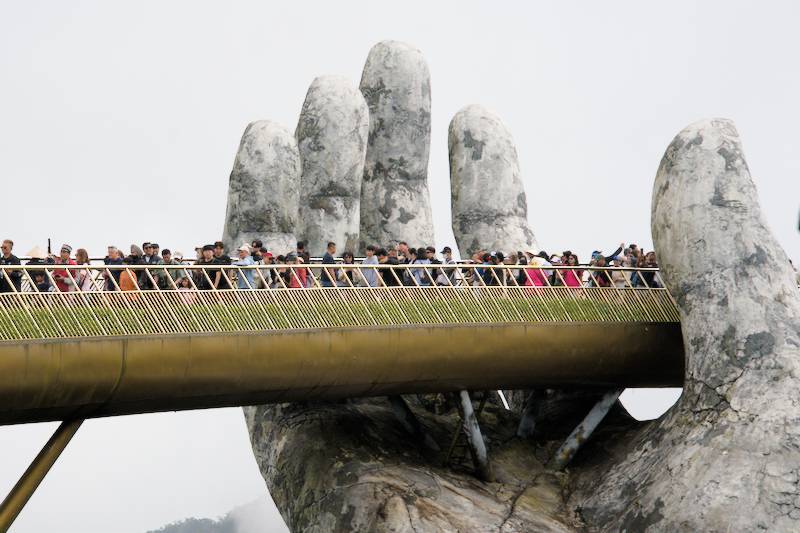
Our first stop after the cable car was the Golden Bridge. Surely, if you Google it or check any tour company promos, the Golden Bridge is always featured. There it was, just like the photos we had seen online: two giant hands reach up from the hill to support the bridge. It is made of gray cement, yet looks elegant and enormous at the same time. Everyone was snapping photos, and we tried our best to capture a shot without too many people in the frame.
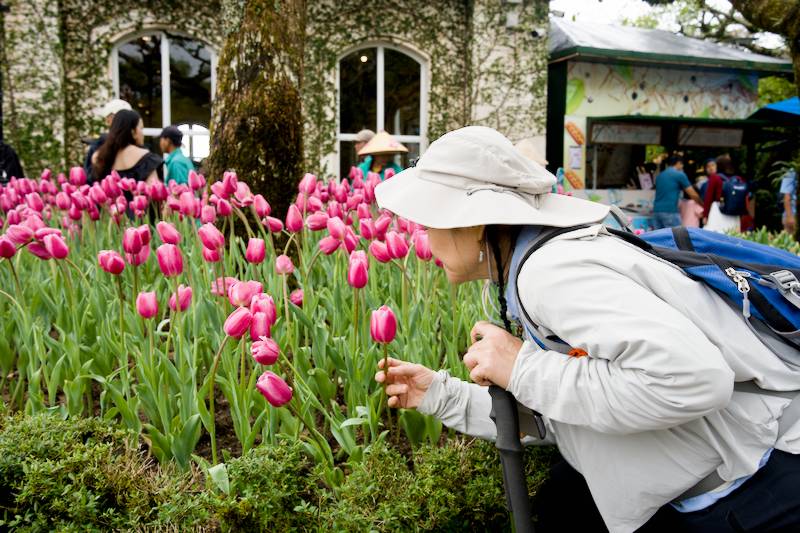
Ba Na has so much more to explore than just the bridge. We wandered through the Tulip Garden, bursting with reds, yellows, and purples. There is even a giant chess set that was fun to walk around.
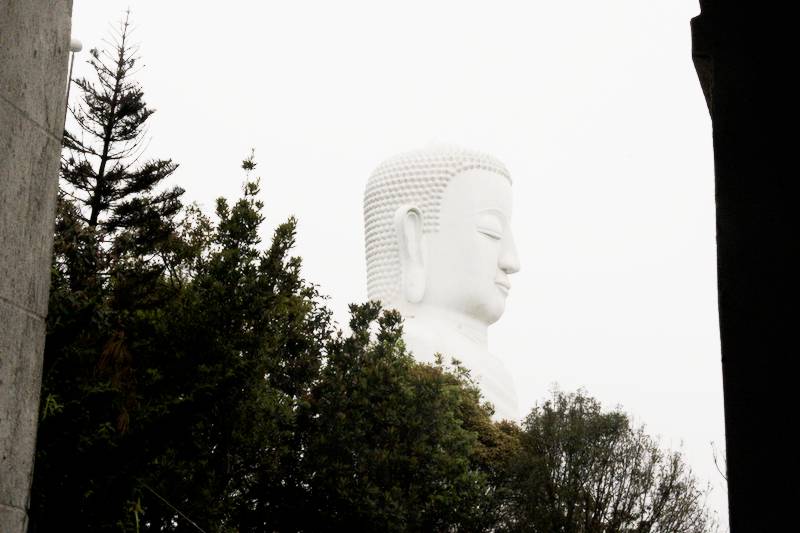
Next, we visited Linh Ung Pagoda with its big white Buddha statue, then explored the French Garden.
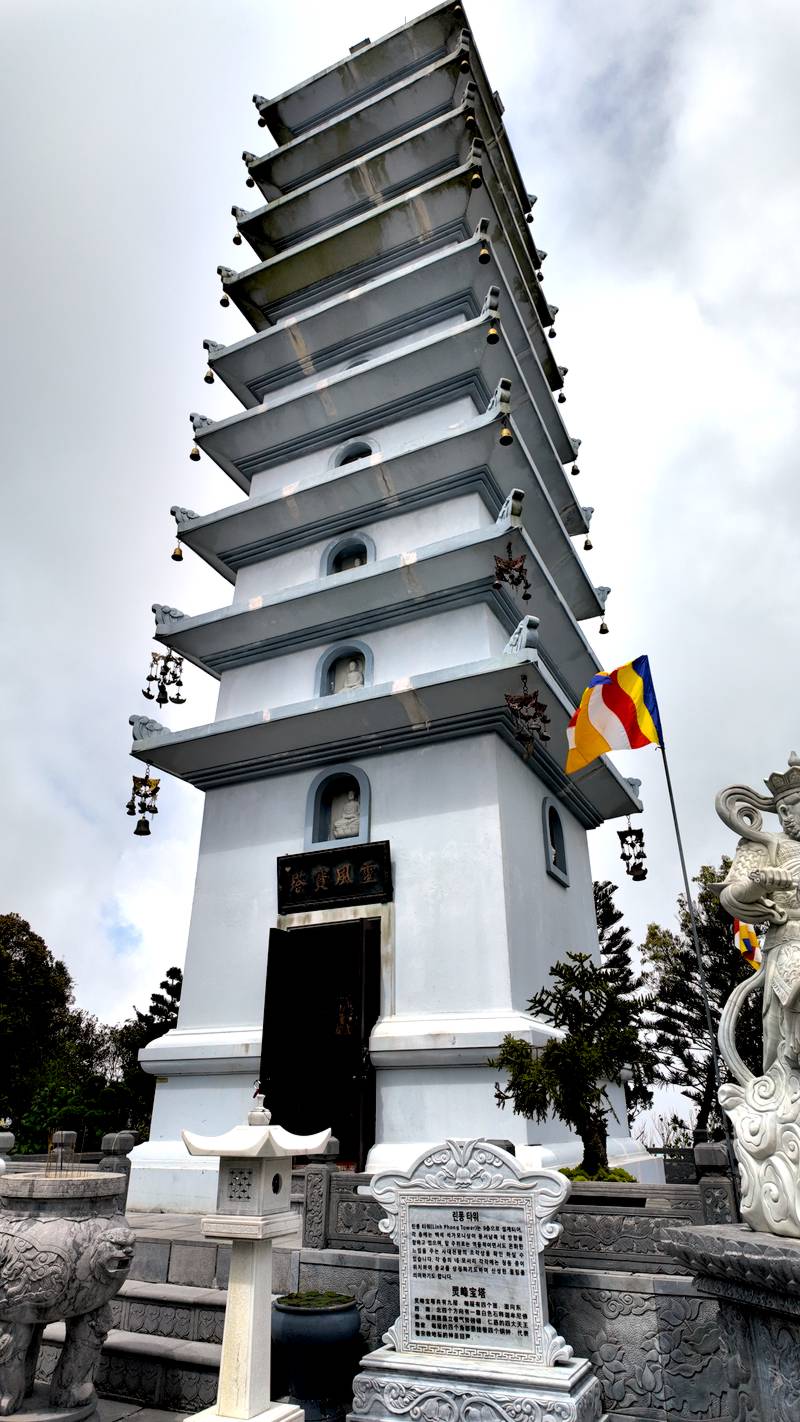
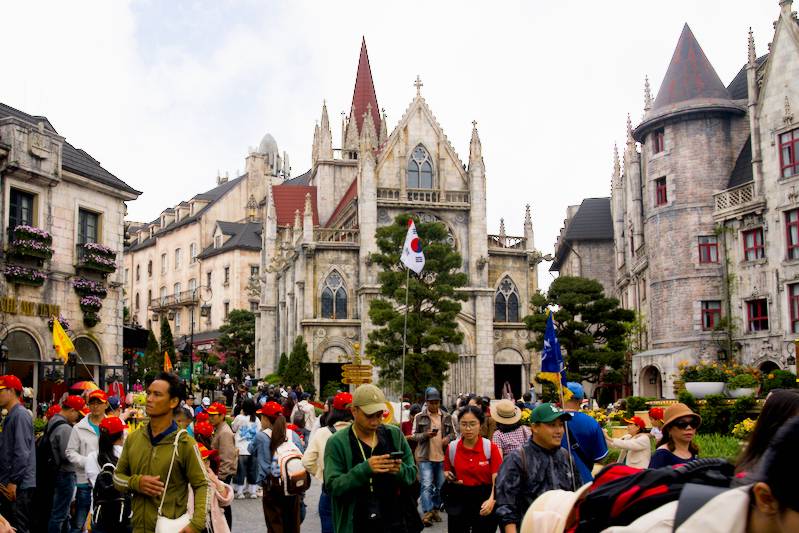
The French Garden has many quaint buildings, all designed in a French style, with eateries scattered throughout as well, and a Fantasy Park tucked in. But the best part was climbing the stairs to Linh Chua Linh Tu Temple at the very top of the hill. Up there is the Linh Phong Stupa, a nine-story white tower overlooking the French Village.
After all that wandering, we enjoyed the buffet lunch included with our ticket. It was a perfect way to recharge before heading back down to the city.
Bánh Canh for Afternoon Tea
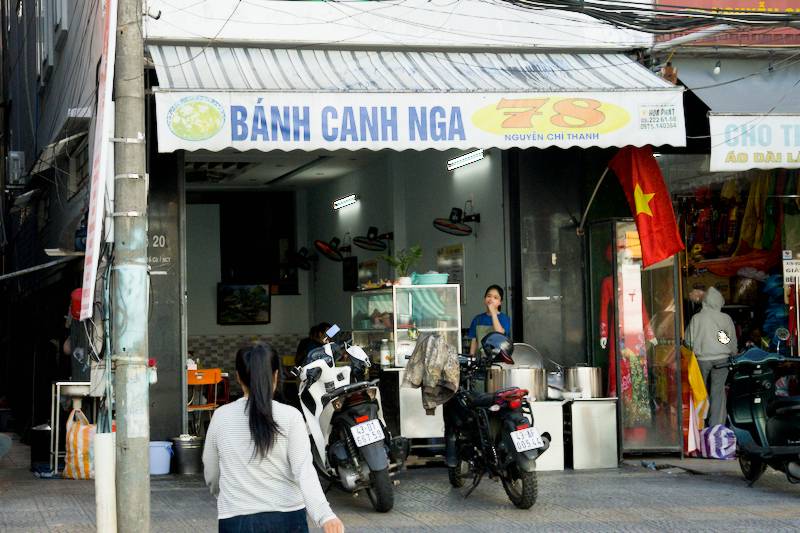
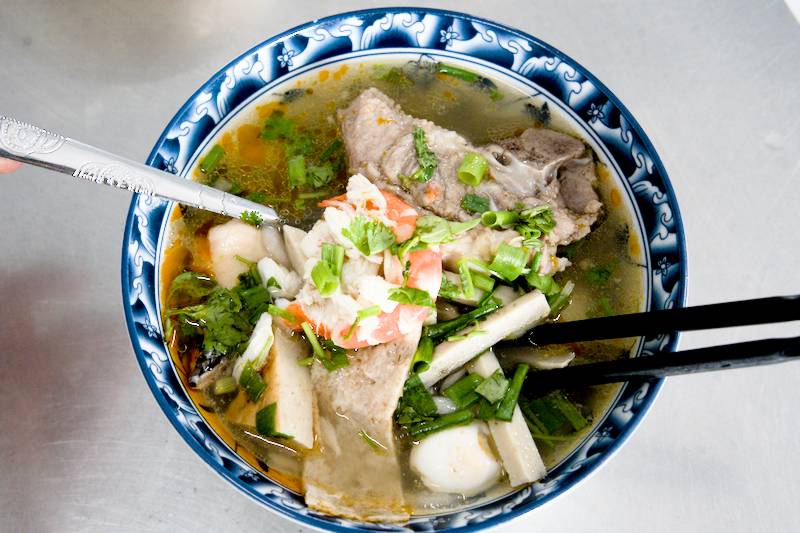
Back in Da Nang, we tried one more local noodle dish, Bánh Canh, at a specialty shop that only serves this dish. It was perfect because it is exactly where the locals eat.
Bánh Canh is a type of thick, slightly chewy noodle, a little like Japanese udon. The toppings included shrimp, pork spare ribs, quail eggs, and even crab meat. We went all in and ordered everything in one bowl.
The broth was clear but packed with flavor. Every bite had a little bit of everything, and the noodles held up perfectly, which was thick, hearty, and satisfying.
Day 5 – A Day Trip to Hue
We got an early start and headed to Hue City on the fifth day, an ancient city and former imperial capital of Vietnam.
To get there from Da Nang, we drove through the Truong Son Mountain Range, including the famous Hai Van Pass. The road winds along the hillside with the ocean on one side and mountains on the other. The views are absolutely stunning. At the same time, we noticed a lot of construction and new development along the route. It is clear that next time we visit, this area will have new resorts, attractions, and perhaps a lot more tourists.
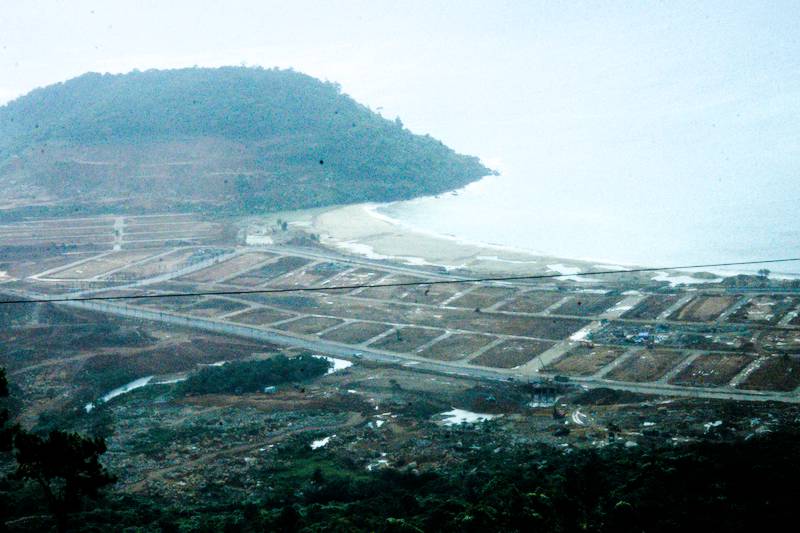
Hai Van Gate
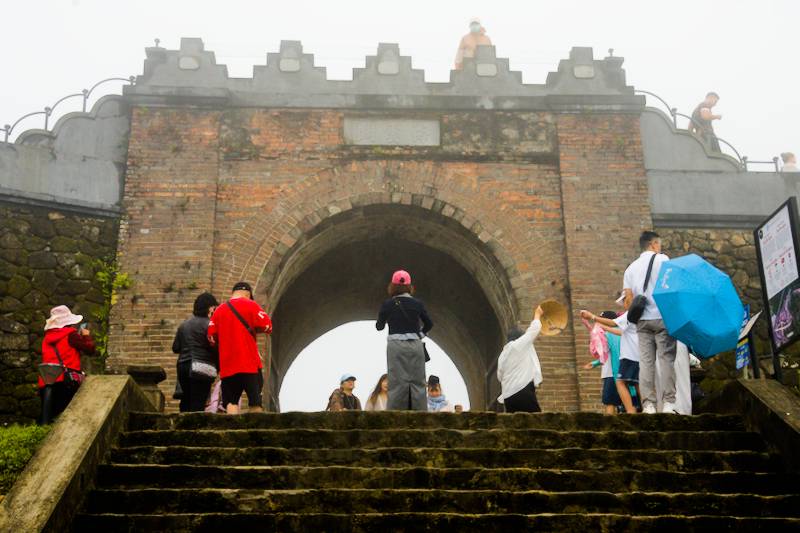
Our coach stopped halfway for a break at Hai Van Gate. This historical military complex was originally built to protect the imperial capital of Hue.
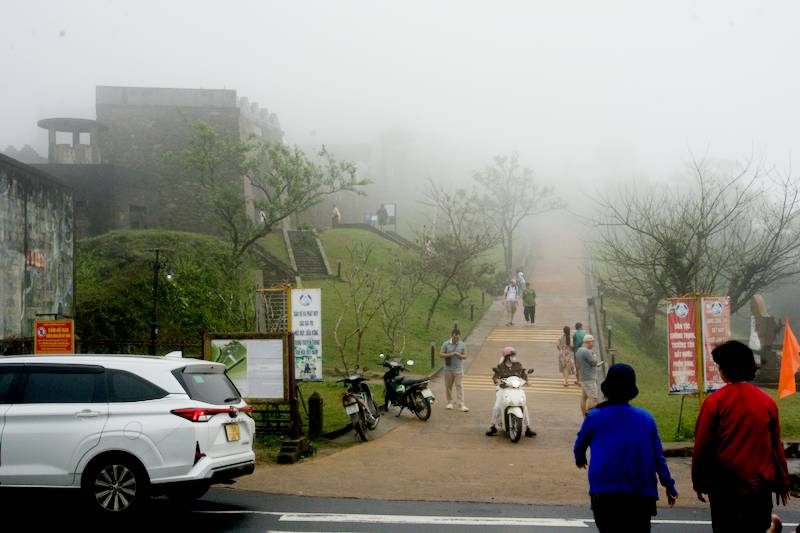
At the entrance, there is an imperial gate made entirely of stone and brick. Inside, two smaller buildings, which originally were the Guard House and the Armory, have been rebuilt using traditional bricks, wooden pillars, and stone bases. Both serve as exhibition areas now. At the back of the main buildings are wartime bunkers and a small shrine.
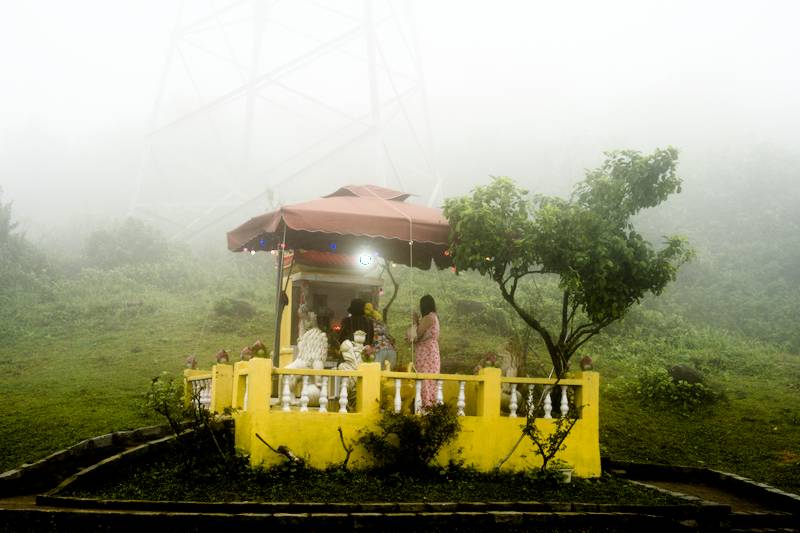
Tự Đức Tomb
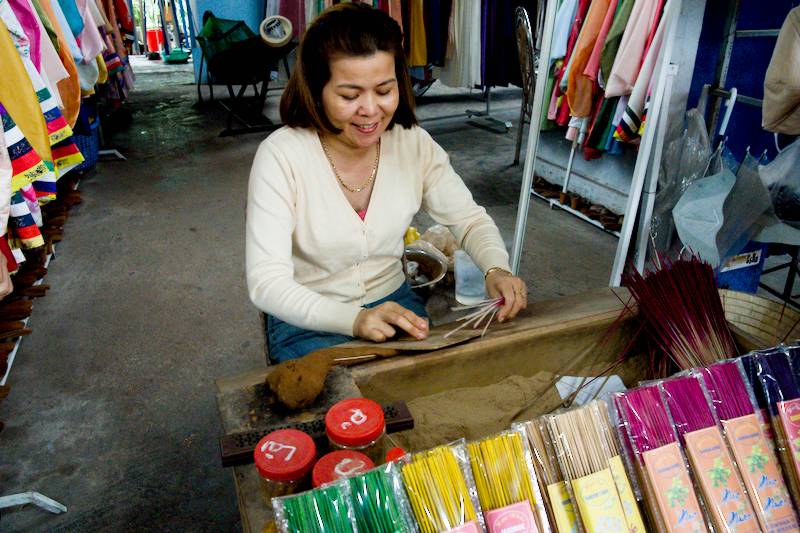
As we got closer to Tự Đức Tomb, the road was lined with rows of incense shops. One caught our eye, so we stopped at a shop called Hue Lang Huong.
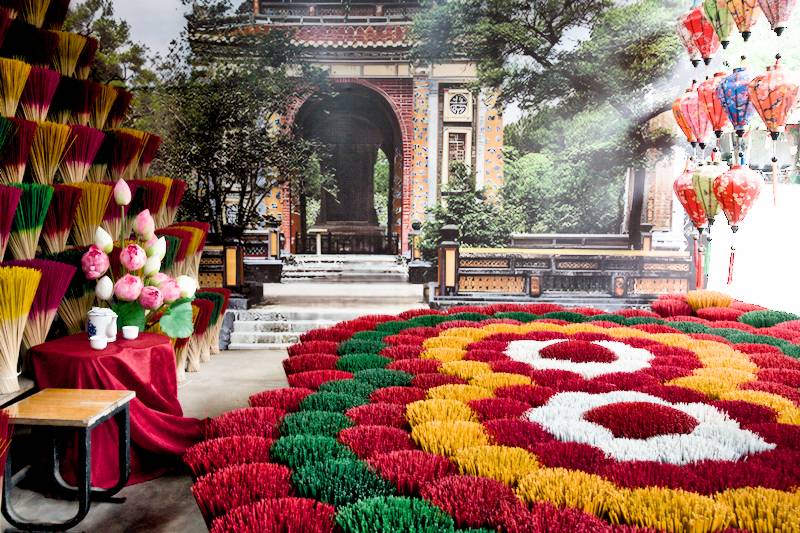
They use bamboo sticks to make the incense, with one end dyed in bright colors. These are then arranged in front of the shop in elaborate displays that look almost like tiny flower gardens.
A few minutes down the road, we reached the tomb itself. Tự Đức Tomb was built by Emperor Tự Đức of the Nguyễn Dynasty while he was still alive. He actually lived here for years. It was not just a tomb. It was his private escape, a place to relax, write poetry, and enjoy the nature around him.
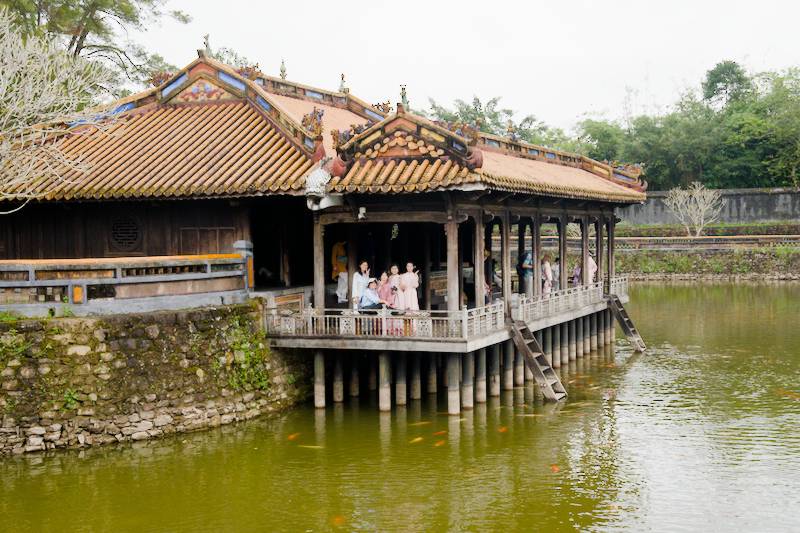
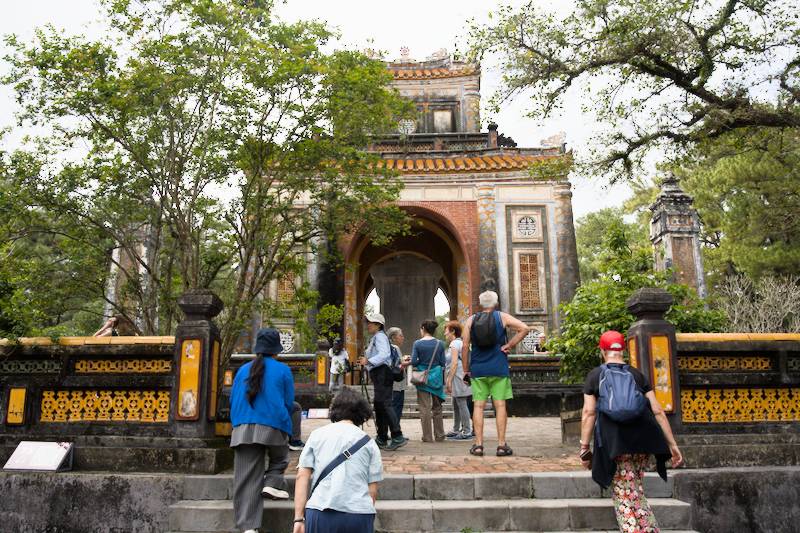
To the right, there’s a pond that looks like it belongs in a painting. A little further in, there’s a building where the emperor used to entertain guests. Then, after a short two-minute walk to the left, we reached the tomb itself. The structure has faded over the years, but the intricate carvings still catch your eye.
Bún Bò Huế for Lunch
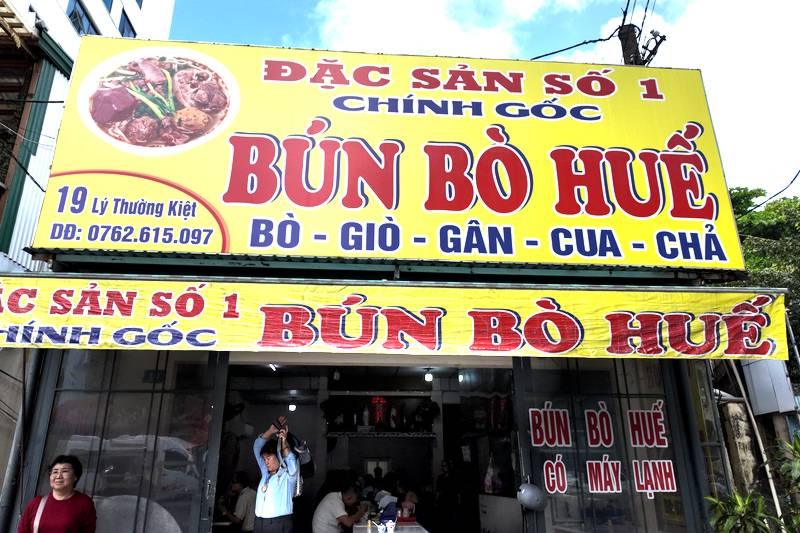
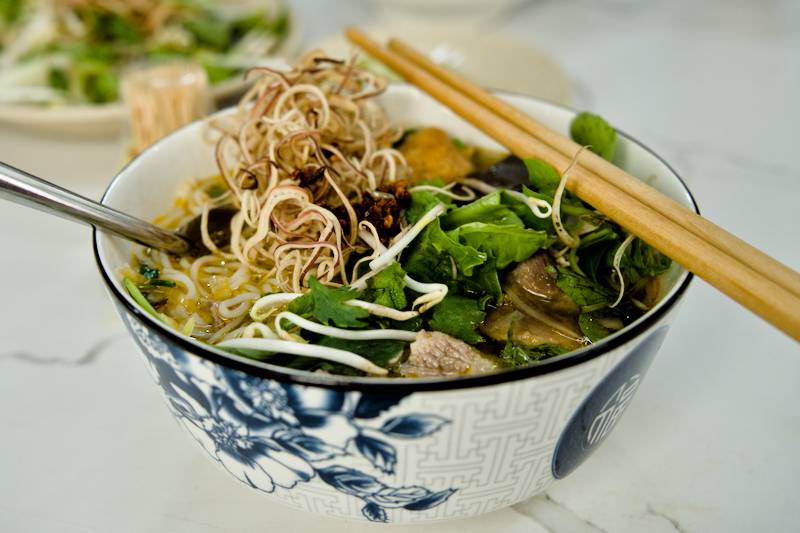
Our foodie adventure in Hue continued with the city’s specialty noodle, Bún Bò, at a shop that only serves this dish.
The noodle is made from rice vermicelli, thick and slippery. We went all out and ordered the full version with everything: beef, pork, chả (Vietnamese ham), huyết (congealed pig’s blood), crab, and shrimp.
It also came with heaps of fresh vegetables. My favorite was shredded banana blossom, which added a nice crunch and subtle flavor. There was also fish mint, giving each bite a slightly ‘fishy’ note. It is one of those bowls where every spoonful is a little surprise.
Hue Historical Citadel
After lunch, we visited the Imperial City of Hue, also called the Hue Historical Complex. The main entrance is a grand structure called Ngo Mon Gate. Back in the day, only the emperor was allowed to use the central gate. Everyone else, including officials and animals, had to use the side passages, including us!
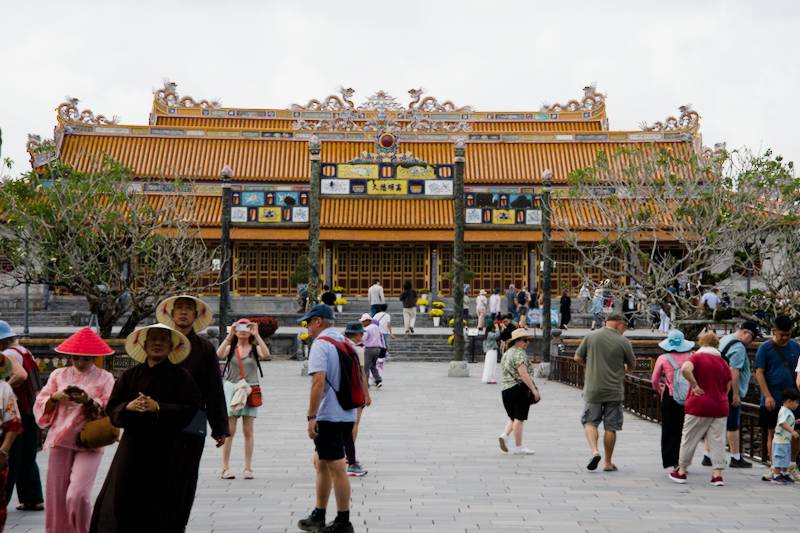
At the top of the gate sits the Ngo Mon Bell, a national treasure dating back to the reign of Minh Mang. As we walked further in, we entered the Forbidden City, the most private section of the complex, once reserved for the emperor and his family. Today, much of it shows signs of damage. Time, war, and weather have all left their mark. Some buildings have been restored, while others remain in ruins.
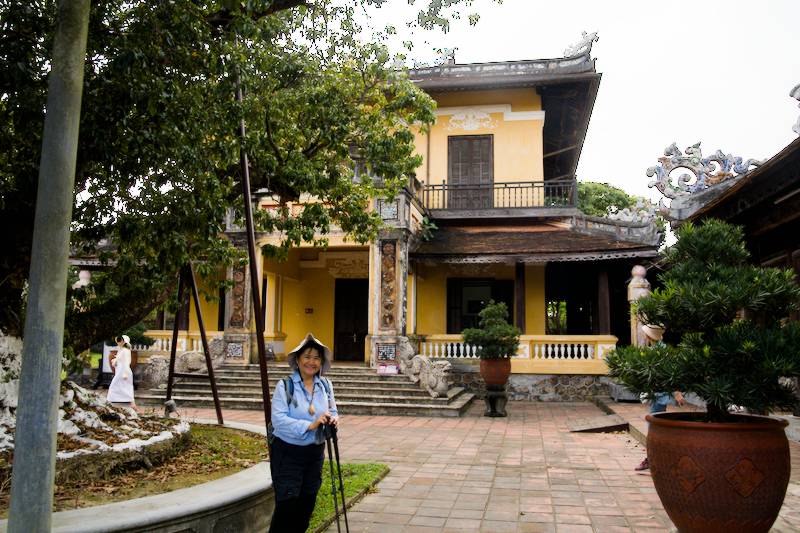
One of the best-maintained buildings was the former residence of the Queen Mother (Empress Dowager Tu Vung), where the mother of Emperor Bao Dai lived after he abdicated in 1945, bringing the Nguyen Dynasty to an end.
Thien Mu Pagoda
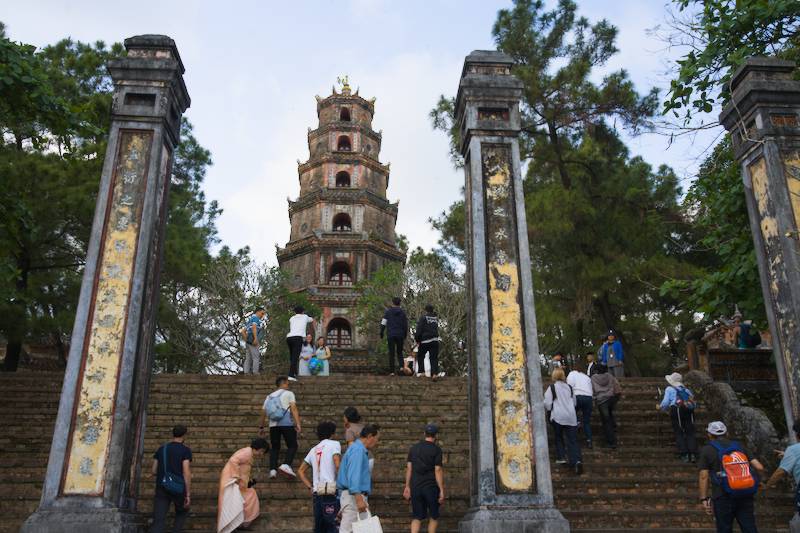
Our final stop in Hue was Thien Mu Pagoda, which sits on a small hill overlooking the Perfume River. The pagoda was built during the Nguyen Dynasty, and its most famous feature is the seven-story octagonal tower called Phuoc Duyen Tower.
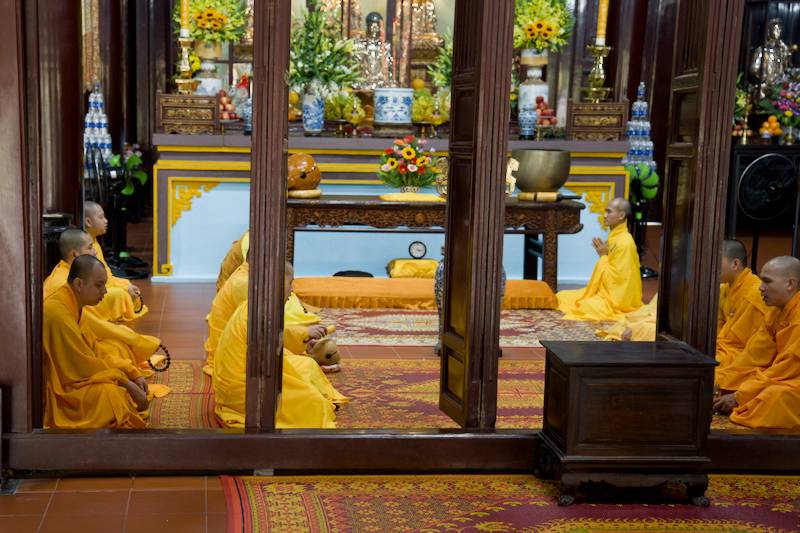
Behind the tower is a small, quiet sanctuary with a main hall for prayer. When we visited, monks were busy chanting.
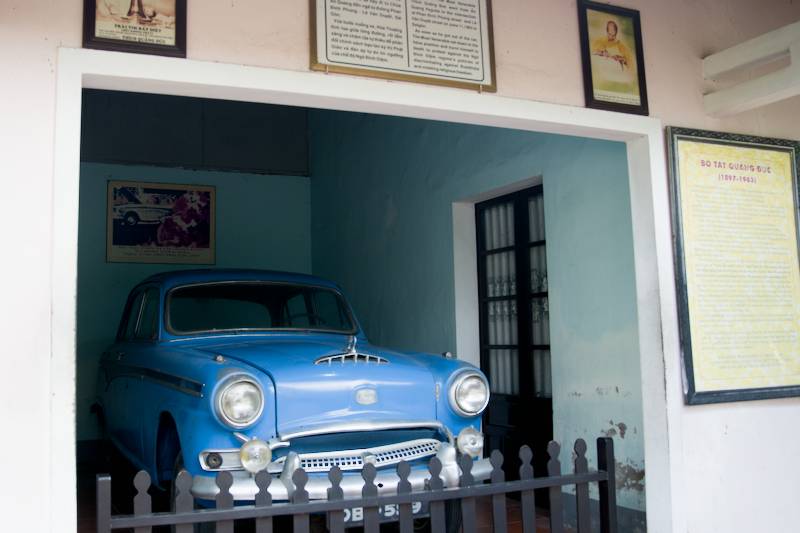
There is also an Austin Westminster that sits quietly here, serving as a memorial to a pivotal moment in Vietnamese history. On June 11, 1963, the monk Thích Quảng Đức was driven in this car from Huế to Saigon, where he self-immolated in protest of the South Vietnamese government’s persecution of Buddhists. The iconic photograph of this act, taken by Malcolm Browne, shocked the world and shaped international diplomacy. Today, the car remains a powerful symbol of the Buddhist Crisis and the intense political and religious struggles of the 1960s.
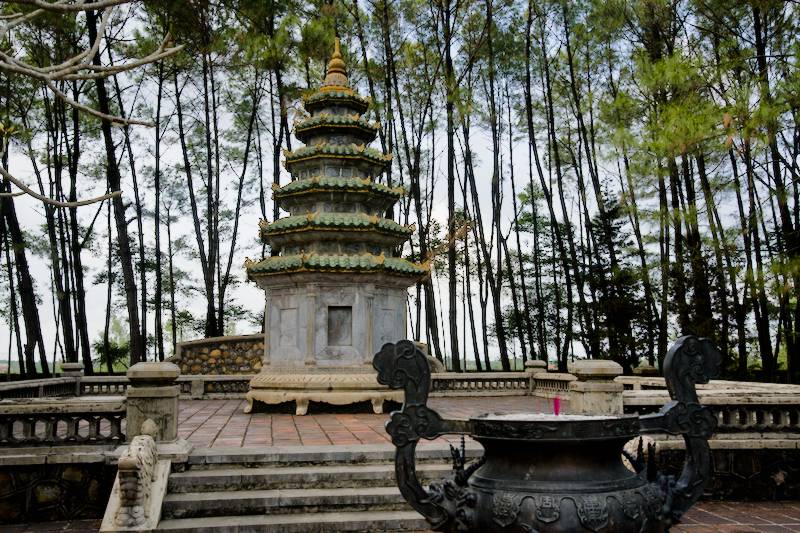
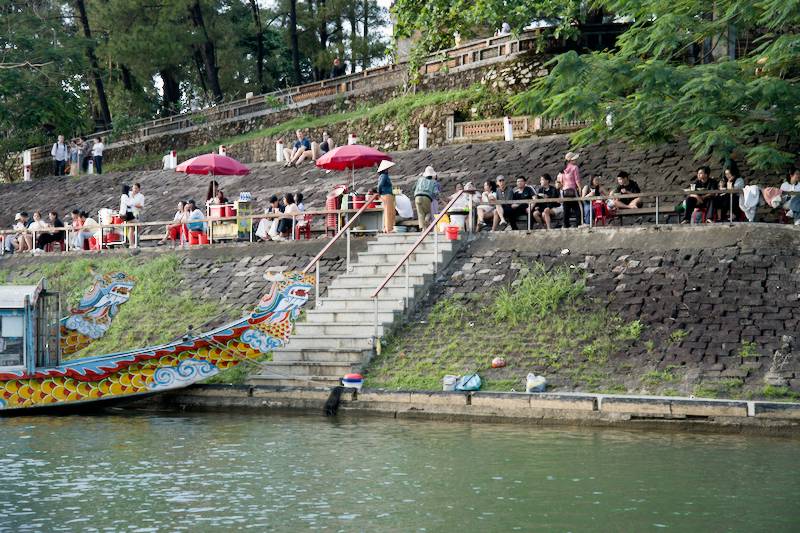
Right in front of the entrance to Thien Mu Pagoda is the Perfume River. We took a short boat ride along the river. It was nothing spectacular, but it was a relaxing way to end our visit. After that, it was time to return to our hotel and rest.
Day 6 – Farewell to Central Vietnam
Our visit to Da Nang wouldn’t have been complete without spending some time soaking in the vibe, scenery, energy, food, and drinks at My An Beach. In the evening, we took a walk along this long stretch of sand that runs for several kilometers.
My An Beach
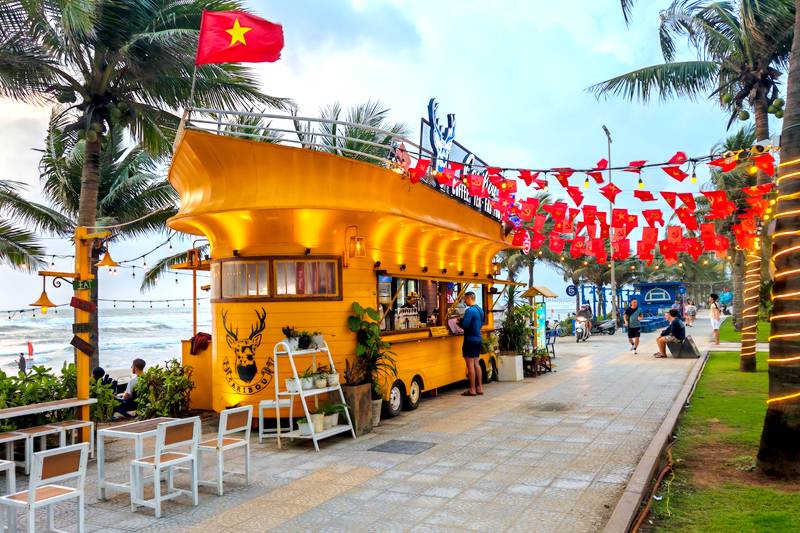
The whole beach comes alive at night. Lights start to glow, people stroll along the shore, play by the water, or simply enjoy the breeze. There are plenty of eateries too, selling all kinds of food from pizza to local dishes.
I liked it so much that the next morning I went back early for a jog. I was surprised to see so many people out before 6 a.m. Locals were exercising, groups were dancing, some were jogging, and others were just taking a peaceful stroll along the beach.
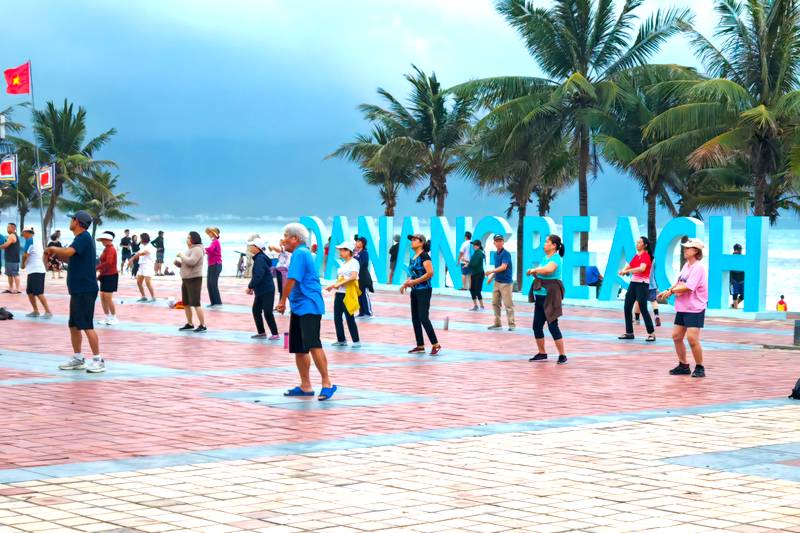
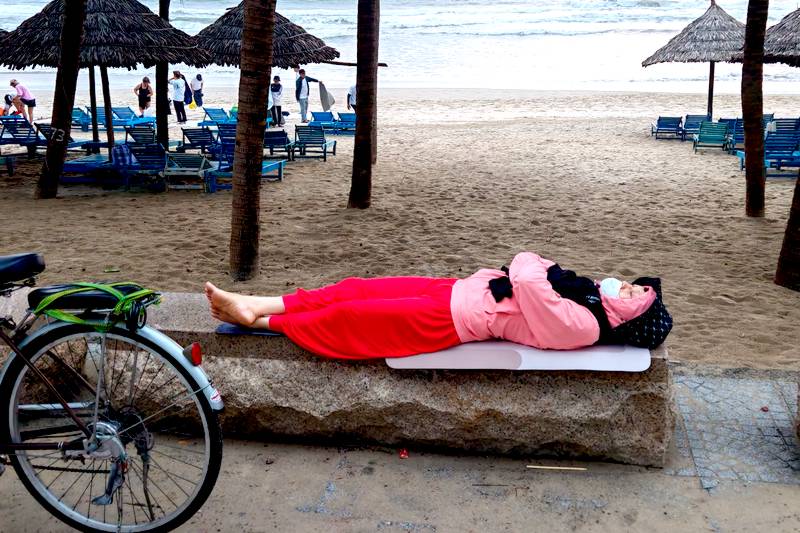
I ran further down toward the other end, known as Da Nang Beach. There is a small temple at one end, with hotels and resorts scattered nearby. What I really loved was how relaxed everything felt. Some people were just lying on the sand, resting, and nobody seemed to mind.
We grabbed a drink at a café with tables and benches, sat down, and enjoyed the view. It was a quiet, easy moment, a perfect way to wrap up the trip before heading back to Kuala Lumpur.
Umm Banh Mi
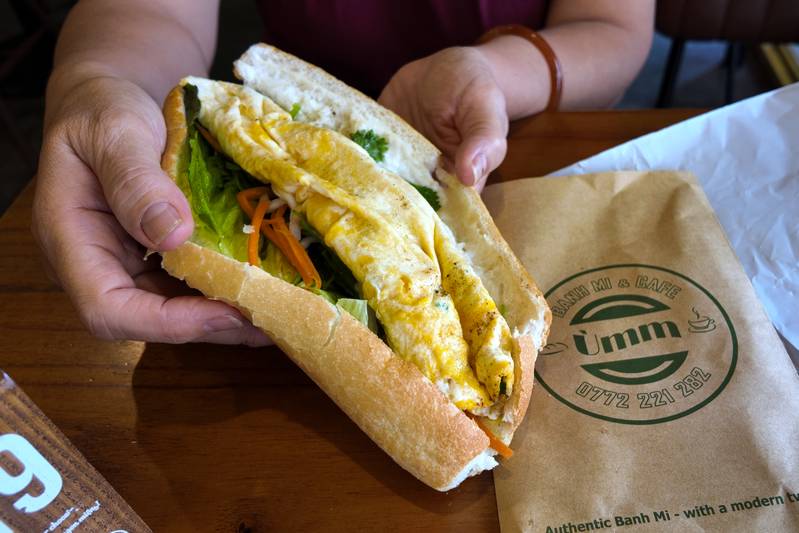
For lunch, we picked up something quick from Umm Banh Mi, a well-known cafe.
Then it was time to head to the international airport and make our way back home.
Restaurants We Visited: Addresses and Telephone Numbers
| Restaurant | Address | Telephone |
|---|---|---|
| Cao lầu Liên | 47/30 Trần Hưng Đạo, Hội An, Vietnam | +84 836 133 336 |
| Bà Vân | 21B Phan Chu Trinh, Hội An, Vietnam | +84 963 424 698 |
| Faifo Coffee | 130 Trần Phú, Hội An, Vietnam | +84 966 661 981 |
| Madam Khanh - The Banh Mi Queen | 115 Trần Cao Vân, Hội An, Vietnam | +84 777 476 177 |
| Ngon Thi Hoa Restaurant | 100 Lê Quang Đạo, Đà Nẵng, Vietnam | +84 967 220 100 |
| Bà Ngọc | 228 Đống Đa, Đà Nẵng, Vietnam | +84 236 3538 447 |
| Bánh Canh NGA | 78C Nguyễn Chí Thanh, Đà Nẵng, Vietnam | +84 905 022 644 |
| Dac San So 1 - Bun Bo Hue | 19 Lý Thường Kiệt, Huế, Vietnam | +84 762 615 097 |
| Umm Banh Mi & Cafe | 179 Lê Quang Đạo, Đà Nẵng, Vietnam | +84 772 221 282 |
🎥 Watch our video at Da Nang, Hoi An & Hue
We’ve put together a video from this trip, which you can watch on YouTube by clicking the image below. Until then, we’ll continue exploring new places and sharing our experiences with you on our next adventure.
Would you like to read about our visit to other places in Vietnam? Click here, which will bring you to the list of places we have visited, including Ninh Binh, Sapa, Halong Bay, and Hanoi.